Isolation of Protein from Soybean in Edible Oil Plants
Welcome to My Blog!
Before we dive into the content, I’d love for you to join me on my social media platforms where I share more insights, engage with the community, and post updates. Here’s how you can connect with me:
Facebook:https://www.facebook.com/sdchemsta
Youtube:https://www.youtube.com/channel/UCUAy0CNEiWpw-LxsYscRT1w
LinkedIn: https://www.linkedin.com/company/chemsta-group
Twitter: https://x.com/Chemsta_Group
Now, let’s get started on our journey together. I hope you find the content here insightful, engaging, and valuable.
Table of Contents
Introduction
Picture this: you’re running an edible oil plant, crushing soybeans to extract oil, and you’re left with a mountain of byproduct. What if you could turn that byproduct into a valuable protein source? That’s where the isolation of protein from soybean comes in—a process that’s transforming the edible oil industry. By extracting high-quality protein from soybean meal, you’re not just maximizing your resources; you’re tapping into a growing market for plant-based proteins.
In this blog, we’ll walk you through how the isolation of protein from soybean works, why it’s a game-changer for edible oil plants, and how you can integrate it into your operation.
Understanding the Isolation of Protein from Soybean
What Is the Isolation of Protein from Soybean?
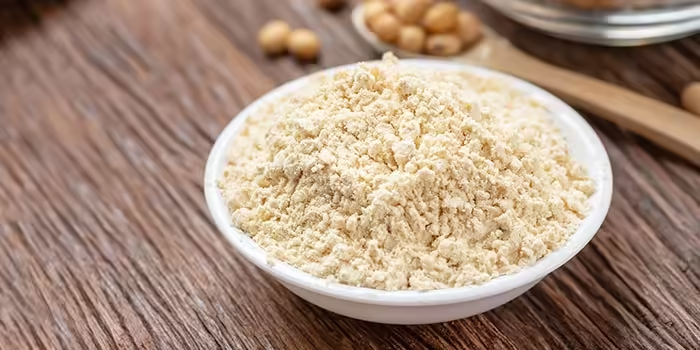
Soy protein isolation is the process of extracting and purifying protein from soybean meal (the solid residue left after oil is extracted). Soybeans are an important source of nutrition, with a protein content of about 35-40% by weight, according to a 2023 report by the Food and Agriculture Organization of the United Nations (FAO). This protein is nutrient-dense and rich in essential amino acids, making it a popular ingredient in food, animal feed and industrial applications.
In edible oil mills, soybeans are pressed to extract the oil, leaving defatted soybean meal. The isolation process separates the protein from other components such as carbohydrates and fiber, resulting in products such as soy protein isolate (90%+ protein) or soy protein concentrate (65-70% protein).
The Science Behind Soybean Protein Isolation
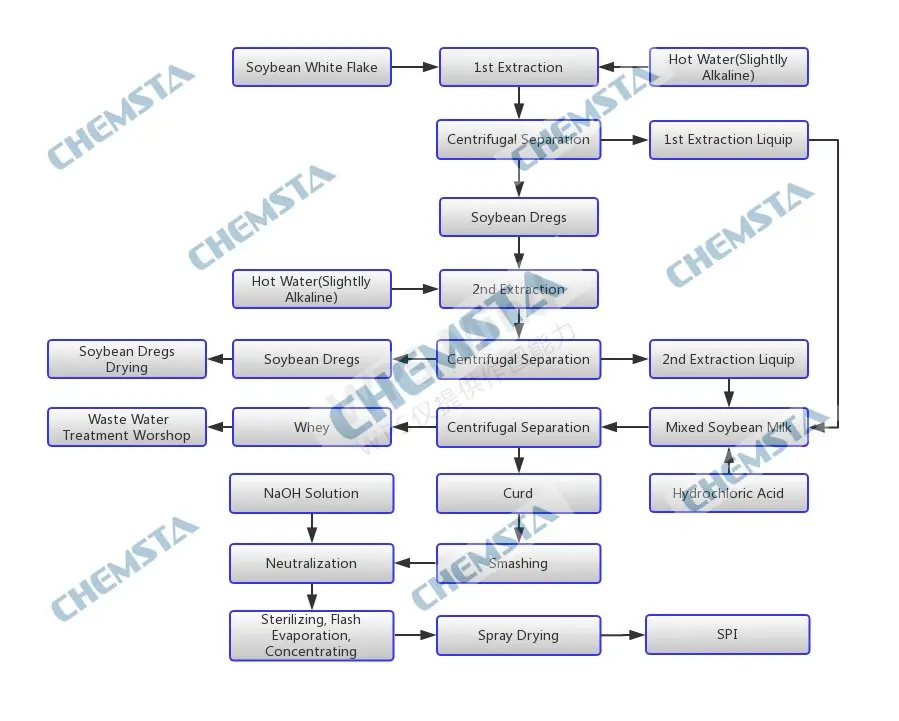
The isolation of protein from soybean involves several steps, each designed to purify and concentrate the protein content. Here’s a quick overview:
- Defatting: Soybeans are crushed and solvent-extracted (usually with hexane) to remove oil, leaving defatted meal.
- Extraction: The meal is mixed with water and an alkaline solution to dissolve proteins, separating them from insoluble fibers.
- Precipitation: The protein is precipitated out by adjusting the pH, typically with an acid, to isolate it from other components.
- Washing and Drying: The protein is washed to remove impurities and dried into a powder, ready for use.
This process, refined over decades, ensures high-purity protein while maintaining its functional properties, like solubility and emulsification, which are critical for food applications.
Why Isolation of Protein from Soybean Is a Win for Edible Oil Plants

Maximizing Resource Efficiency in Oil Extraction
When you extract oil from soybeans, the meal left behind is often seen as a low-value byproduct. But with the isolation of protein from soybean, you’re turning waste into wealth. Instead of selling defatted meal as low-cost animal feed, you can produce high-value soy protein products. A 2024 study by the Institute of Food Technologists found that edible oil plants integrating protein isolation increased their revenue streams by up to 20% by tapping into the plant-based protein market.
For you, this means getting more bang for your buck from every soybean. By adding protein isolation to your oil plant, you’re not just extracting oil—you’re creating a dual-purpose operation that boosts profitability and sustainability.
Meeting the Demand for Plant-Based Proteins
The global appetite for plant-based foods is skyrocketing, driven by health-conscious consumers and environmental concerns. Soy protein, thanks to its complete amino acid profile, is a top choice for vegan foods, protein bars, and meat alternatives. By mastering the isolation of protein from soybean, your plant can supply this booming market. Plus, soy protein’s versatility extends to non-food uses, like adhesives or bioplastics, giving you multiple avenues to diversify your output.
Enhancing Sustainability in Edible Oil Production
Sustainability is a buzzword for a reason, and the isolation of protein from soybean aligns perfectly with eco-friendly goals. By utilizing the entire soybean, you reduce waste and make your oil extraction process more efficient. According to a 2023 report by the Global Food Sustainability Institute, plants that isolate soy protein cut their waste output by up to 30% compared to those solely focused on oil extraction. This not only lowers your environmental footprint but also positions your operation as a leader in sustainable food production.
Key Methods and Applications of Soybean Protein Isolation
To help you understand the different approaches to the isolation of protein from soybean and their applications, here’s a table outlining the main methods, their features, and their uses in edible oil plants.
| Method of Protein Isolation | Key Features | Common Applications |
|---|---|---|
| Alkaline Extraction | Uses alkaline solution to dissolve proteins; high yield; widely used | Soy protein isolate for food (e.g., protein bars, meat analogs) |
| Acid Precipitation | Adjusts pH to precipitate proteins; high purity; cost-effective | Soy protein concentrate for nutritional supplements |
| Membrane Filtration | Uses membranes to separate proteins; gentle process; retains functionality | Functional proteins for beverages, emulsions |
| Enzyme-Assisted Extraction | Uses enzymes to enhance protein release; high efficiency; eco-friendly | Specialty proteins for health foods, infant formula |
| Aqueous Extraction | Avoids harsh chemicals; sustainable; lower yield | Organic soy protein for premium food products |
This table shows the versatility of soybean protein isolation methods, letting you choose the best fit for your plant’s goals, whether it’s high purity, sustainability, or specific food applications.
Integrating Soybean Protein Isolation into Edible Oil Plants
Complementing Oil Extraction Processes
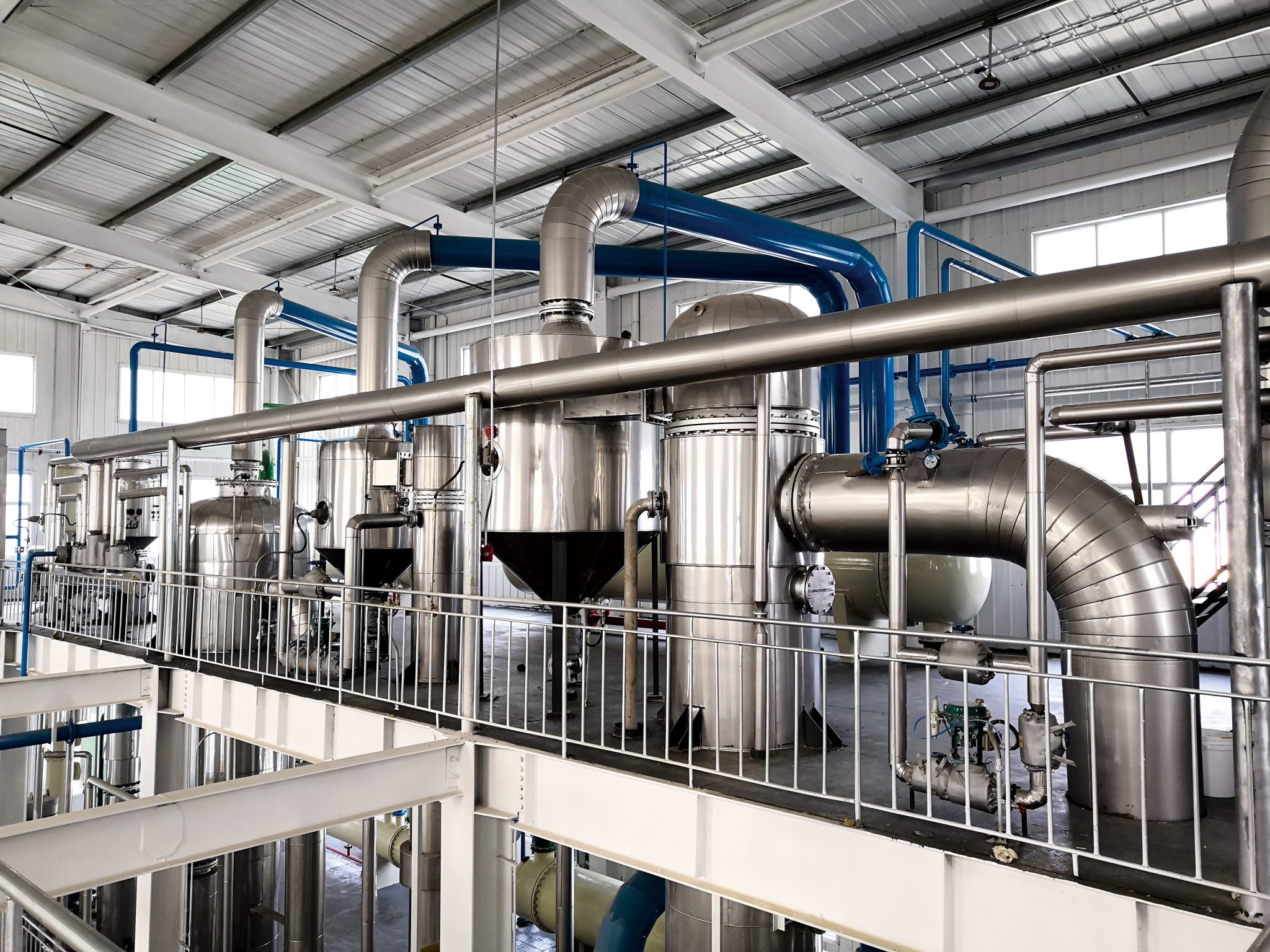
The beauty of the isolation of protein from soybean is how seamlessly it integrates with existing oil extraction workflows. After crushing soybeans and extracting oil with solvents, the defatted meal is already primed for protein isolation. You can add protein extraction equipment—like mixers, centrifuges, and dryers—to your plant without overhauling your setup. A 2024 report by the Journal of Agricultural and Food Chemistry noted that plants integrating protein isolation saw a 15% increase in overall process efficiency by streamlining material handling.
For you, this means you can bolt on protein isolation to your oil extraction line, creating a dual-output system that maximizes every soybean’s value.
Scaling Up for Market Demand
As demand for soy protein grows, scalability is key. Protein isolation systems can be customized to match your plant’s size and output. Start with a small setup for testing, then scale up with larger extractors and dryers as your market expands. Many systems are modular, letting you add capacity without disrupting your oil extraction process. This flexibility ensures you can meet growing demand for plant-based proteins while keeping your oil production steady.
Challenges and Considerations for Soybean Protein Isolation
Equipment and Setup Costs
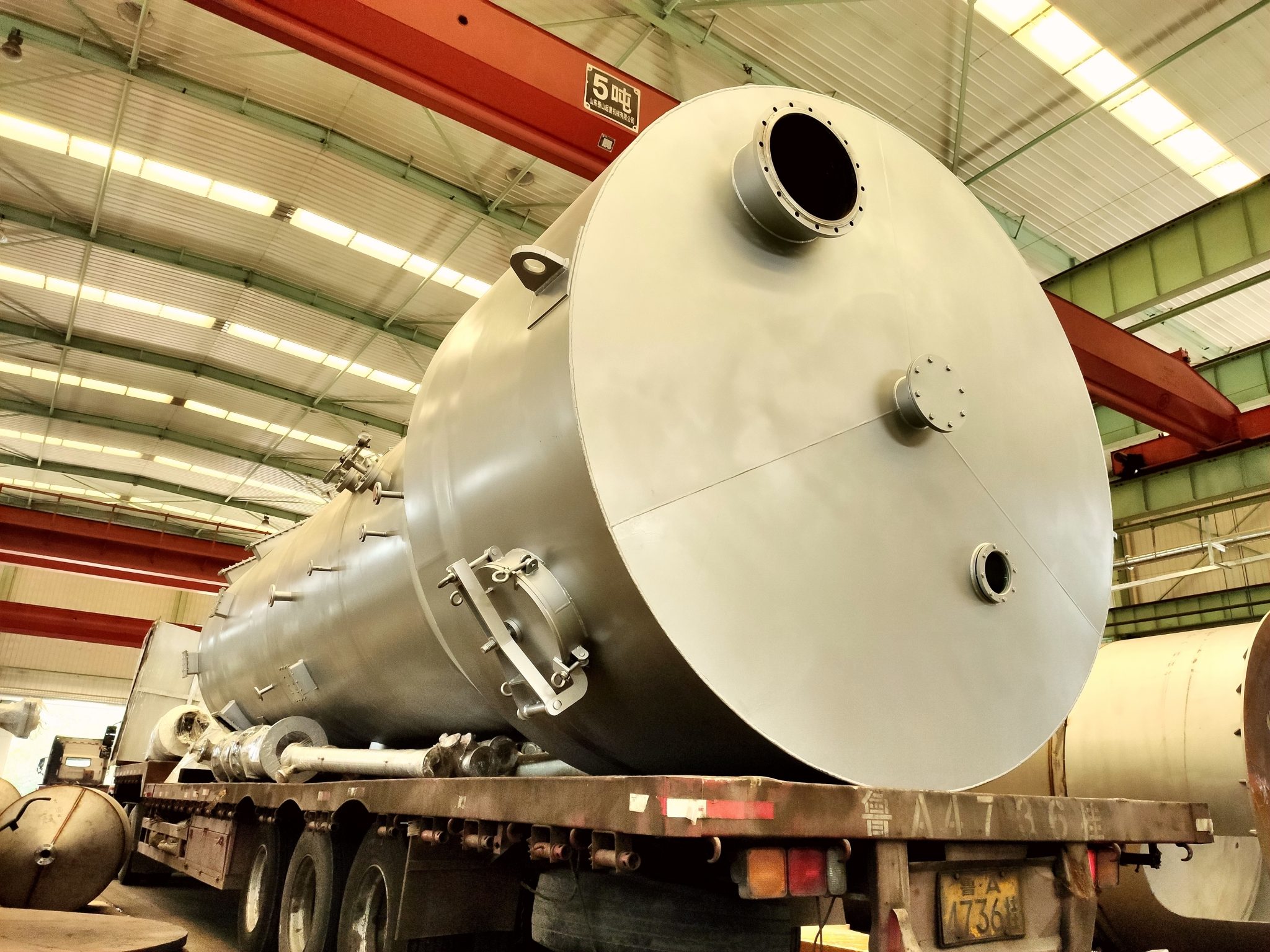
While the isolation of protein from soybean is a smart investment, it requires upfront planning. You’ll need specialized equipment like pH adjustment tanks, centrifuges, and spray dryers, which can demand significant space and setup. Retrofitting an existing oil plant may require workflow adjustments to accommodate protein extraction. However, many suppliers offer modular systems and consulting services to help you integrate efficiently, ensuring a smooth transition.
Maintaining Protein Quality
The quality of your soy protein is paramount, especially for food applications. Factors like pH control, temperature, and drying conditions can affect protein functionality (e.g., solubility or emulsification). Proper training for your team and regular equipment maintenance are crucial to ensure consistent, high-quality output. Some modern systems include automated controls to monitor these factors, making it easier to produce top-notch protein.
Conclusion
The isolation of protein from soybean is more than a side process—it’s a revolution in edible oil plants. By turning soybean meal into high-value protein, you’re boosting profitability, meeting market demand, and embracing sustainability. Whether you’re producing plant-based foods or exploring industrial applications, this process lets you make the most of every soybean. As the world leans toward sustainable, protein-rich diets, integrating protein isolation into your oil plant positions you as a leader in the industry. Ready to take your operation to the next level? Dive into soybean protein isolation and unlock a world of possibilities.
FAQ
What is the main byproduct used for soybean protein isolation?
The defatted soybean meal, left after oil extraction, is the primary material used for isolating protein in edible oil plants.
Can small oil plants implement soybean protein isolation?
Yes! Modular protein isolation systems are available, making it feasible for smaller plants to start with compact setups and scale up as needed.
How does soybean protein isolation benefit the environment?
By utilizing soybean meal, it reduces waste from oil extraction, cutting waste output by up to 30%, per the Global Food Sustainability Institute.
What are the main applications of isolated soy protein?
It’s used in plant-based foods (e.g., meat analogs, protein bars), nutritional supplements, animal feed, and industrial products like adhesives.
How do I choose the right protein isolation method for my plant?
Consider your target product (e.g., food-grade or industrial), sustainability goals, and production scale. Consult with equipment suppliers to find the best method for your needs.