Production of Canola Oil: Process, Equipment, and Tips
Table of Contents
The production of canola oil is a critical process in the edible oil industry, transforming canola seeds into nutritious, high-quality oil. Canola oil is rich in omega-3 fatty acids, low in saturated fats, and widely used in cooking, food processing, and industrial applications. Using proper equipment and methods ensures maximum oil yield, purity, and flavor retention.
Introduction
The production of canola oil involves carefully selected seeds, advanced pressing or extraction techniques, and refined processing to produce clean, safe, and nutrient-rich oil. According to industry reports, modern extraction methods can achieve oil yields of 38–42% from high-quality seeds, making efficiency and equipment choice critical for commercial operations.
Key Steps in the Production of Canola Oil
- Seed Cleaning and Preparation: Remove impurities, dust, and broken seeds.
- Conditioning: Preheat seeds to optimize oil release without damaging nutrients.
- Extraction: Mechanical pressing or solvent extraction separates oil from the seed.
- Filtration: Remove solid residues for clear oil.
- Refining: Optional steps like degumming, neutralization, and deodorization enhance oil quality.
Methods of Canola Oil Extraction
- Cold Pressing: Retains maximum nutrients and flavor; suitable for premium oils.
- Expeller Pressing: Mechanical pressing with moderate heat for higher yields.
- Solvent Extraction: Uses solvents for large-scale production; high efficiency but requires refining.
- Enzyme-Assisted Extraction: Advanced method enhancing yield and preserving quality.
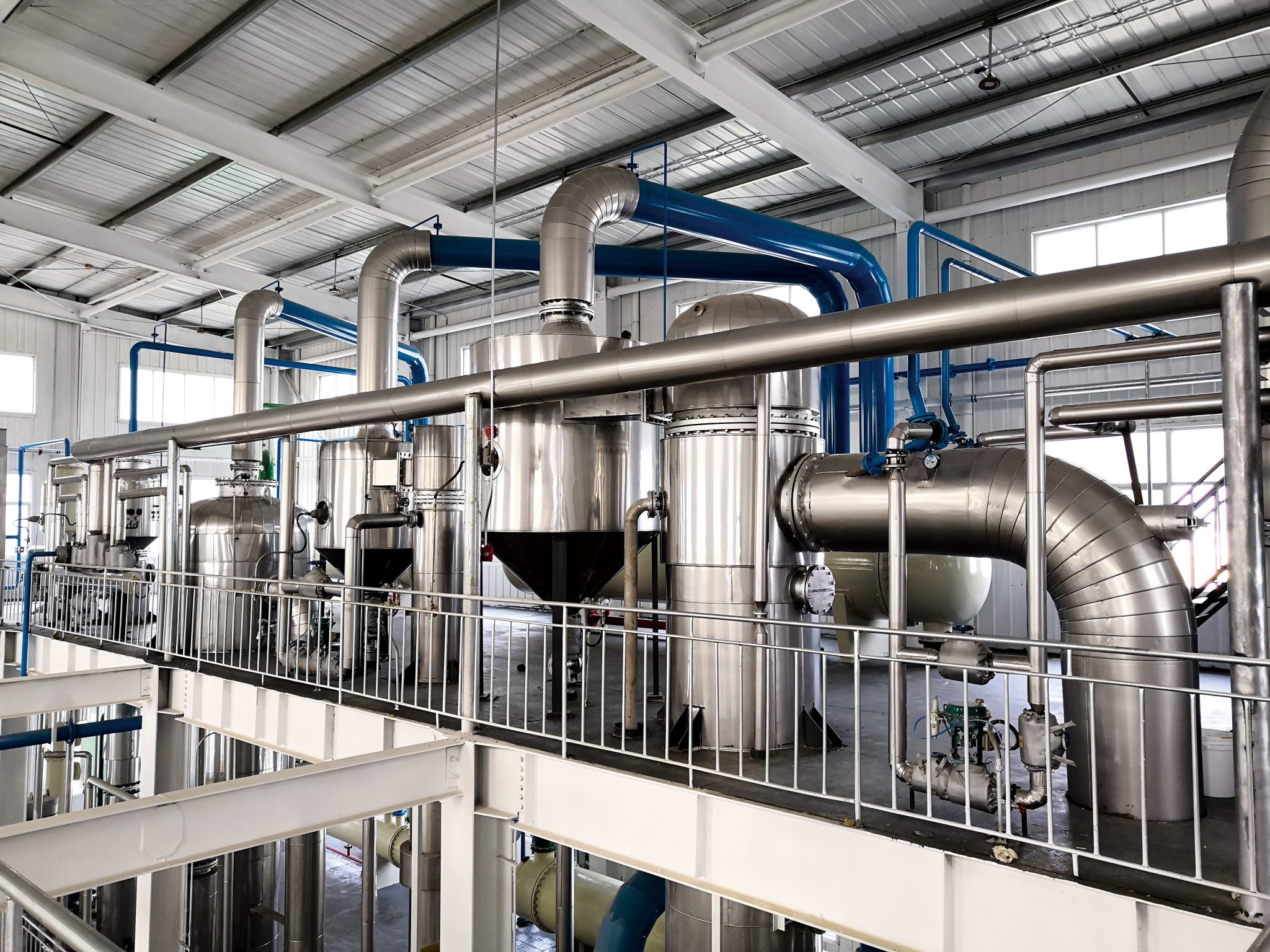
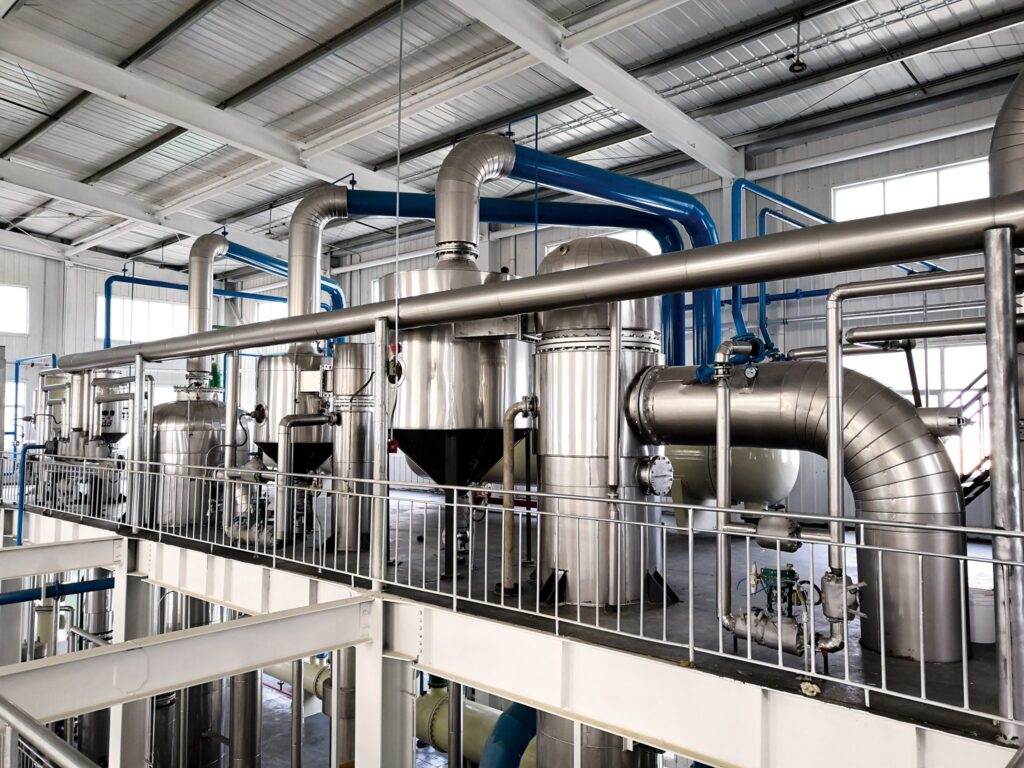
Equipment Used
| Equipment | Function | Benefit |
|---|---|---|
| Seed Cleaner | Removes impurities | Ensures pure raw material |
| Expeller or Press | Extracts oil | Maximizes yield efficiently |
| Solvent Extractor | Chemical extraction | High-volume production |
| Filter and Separator | Removes residues | Produces clear oil |
| Refining Unit | Degumming, neutralization | Enhances stability and shelf life |
Factors Affecting Oil Production
- Seed Quality: Fresh, high-oil content seeds produce better oil.
- Moisture Content: Optimal moisture (6–8%) improves extraction efficiency.
- Temperature: Excessive heat may degrade nutrients and flavor.
- Pressing Pressure: Balanced pressure ensures maximum yield without damaging oil.
Common Challenges
- Low-quality seeds reduce oil yield.
- Residue buildup in machinery decreases efficiency.
- Overheating can affect oil quality.
- Maintenance of large-scale machines is crucial to avoid downtime.
Tips for Optimal Canola Oil Production
- Use clean, well-dried seeds.
- Monitor pressing temperature and speed.
- Regularly maintain and clean machinery.
- Select the appropriate extraction method based on scale and desired oil quality.
- Store extracted oil in airtight containers to prevent oxidation.
Advantages of Producing Canola Oil

- High nutritional value with low saturated fat content.
- Versatile applications in cooking, baking, and industrial use.
- Efficient production methods increase yield and reduce waste.
- Can be produced at small or large scale with proper equipment.
Conclusion
The production of canola oil is a precise process that combines quality seeds, efficient extraction, and proper refining to create nutritious, clean, and flavorful oil. Following best practices and maintaining equipment ensures high yield, superior quality, and safe production. Whether for home, boutique, or commercial operations, understanding the extraction process is key to success.
FAQ
What is the production of canola oil?
The production of canola oil involves extracting oil from canola seeds using mechanical pressing, solvent extraction, or advanced methods to produce clean, nutritious, and high-quality oil suitable for cooking, food processing, or commercial use.
How does extraction affect oil quality?
Cold pressing preserves nutrients, antioxidants, and natural flavor, resulting in healthier oil, while high-heat or chemical extraction requires refining to remove impurities, ensuring safety and stability but slightly reducing some nutritional value.
Can I produce canola oil on a small scale?
Yes, small manual or semi-automatic presses allow safe, efficient production of high-quality canola oil at home or for boutique businesses, maintaining flavor, nutrient content, and consistent output with proper operation.
What equipment is needed for canola oil production?
Essential equipment includes seed cleaners, oil presses or extractors, filtration systems, and optionally refining units for degumming, neutralization, and deodorization, ensuring clean, clear, and high-quality oil.
How do I maintain canola oil production equipment?
Clean all removable parts after use, lubricate moving components, inspect for wear, and store machines in a dry environment to ensure long-term durability, safety, and consistent high-quality oil production.
Need Help Choosing the Right Equipment for Canola Oil Production?
If you’re unsure which machine or method suits your needs, our experts are here to assist. Contact us today for a personalized consultation and ensure your canola oil production is efficient, safe, and high-quality. Don’t wait—start producing premium oil now!