Rotocel Extractor Maintenance for Peanut Oil
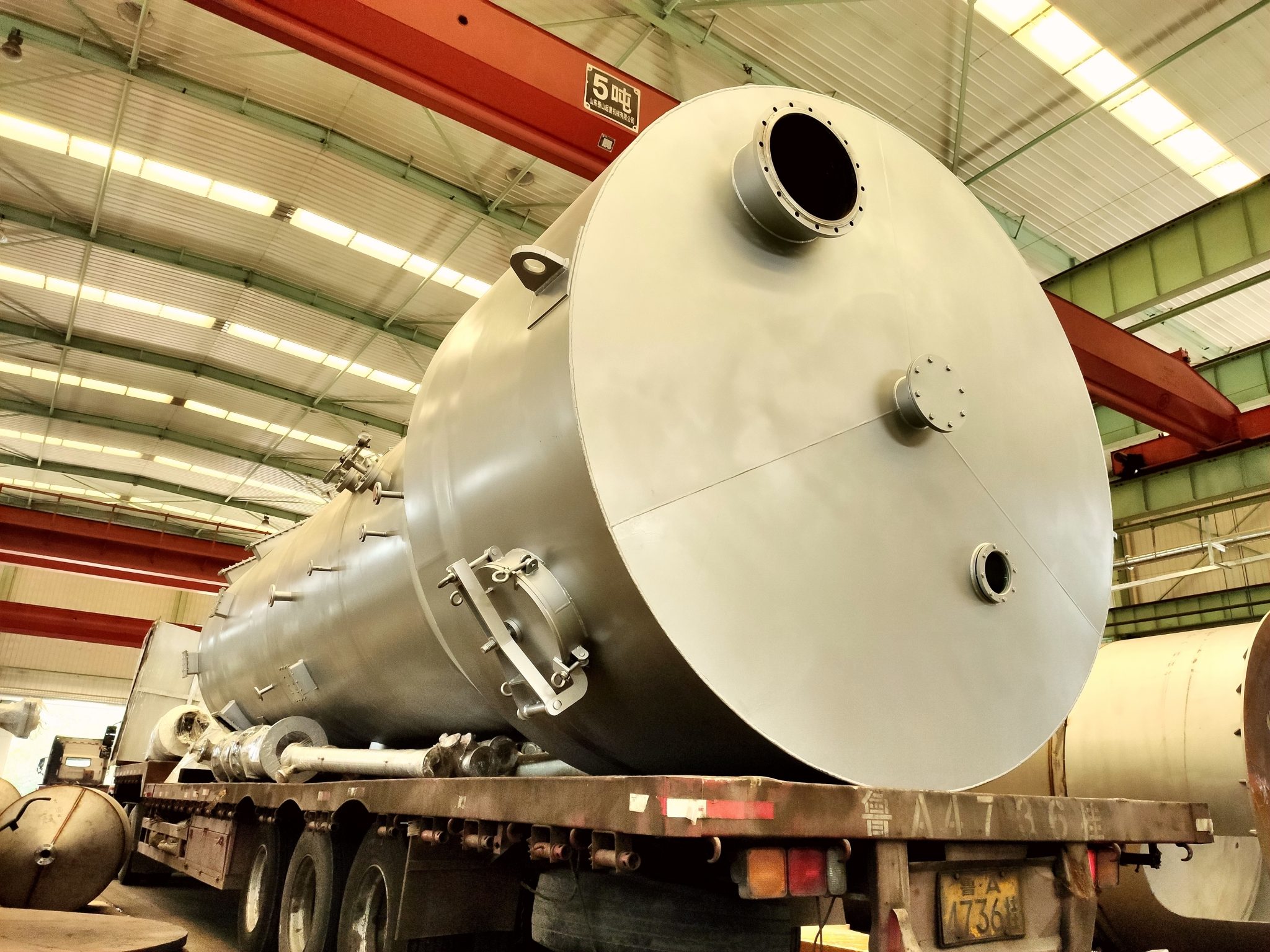
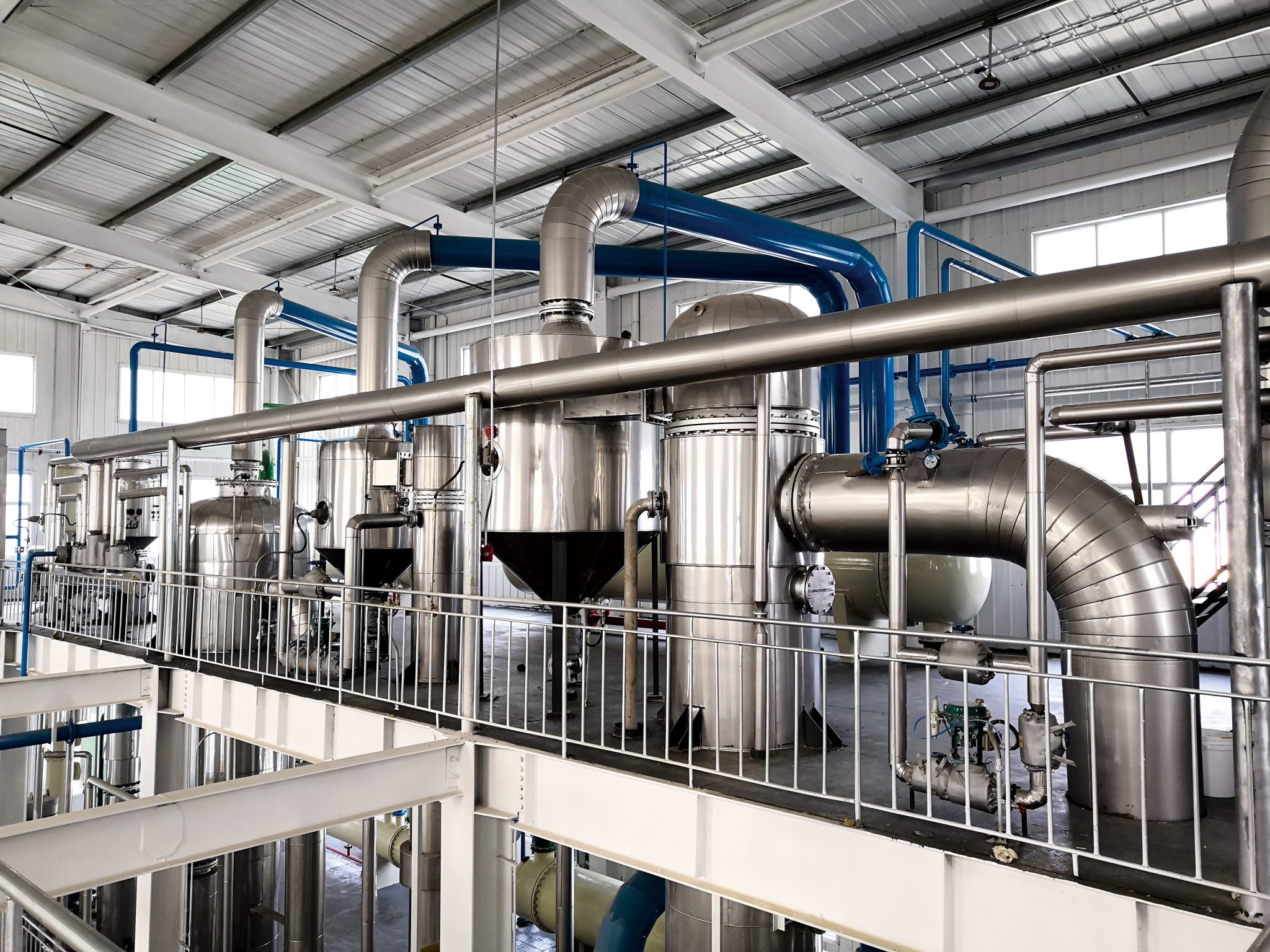
ChemSta Rotocel Extractor is a continuous combined type oil extractor. The rotor, consisting of material cells, rotates around the main shaft for one cycle to complete the extraction process. The Rotocel extractor is the most widely used edible oil extraction equipment, suitable for small and medium oil extraction plants. Rotocel extractor is suitable for the oil extraction of peanut, rapeseed, cottonseed, sunflower seed, sesame, corn germ, camellia seed, flax seed, castor seed, soybean, rice bran, safflower seed, palm fruit cake, palm kernel cake, copra, grape seed, evening primrose seed, etc. The extractor is especially suitable forthe extraction of various pre-pressed oil cakes. The Rotocel extractor is also used for extracting capsicum red pigment.
Core Summary
- Why Rotocel extractor maintenance directly affects peanut oil yield
- How preventive maintenance reduces solvent loss and downtime
- What components require the most attention in peanut oil extraction
- How professional maintenance improves long-term plant profitability

Table of Contents
Introduction
Rotocel extractors are widely used in peanut oil solvent extraction plants because of their continuous operation and stable extraction efficiency. However, many processors discover that extraction performance gradually declines over time, even when production capacity remains unchanged.
In most cases, the root cause is not equipment design, but insufficient or unstructured maintenance. Understanding how Rotocel extractor maintenance works and why it matters is essential for peanut oil plants seeking stable output, lower operating costs, and long-term reliability.
This article explains Rotocel extractor maintenance for peanut oil from a practical, engineering-focused perspective.
What Is a Rotocel Extractor Used for in Peanut Oil Production?
A Rotocel extractor is a continuous solvent extraction unit designed to separate oil from prepared peanut flakes. The extractor consists of multiple rotating cells that allow solvent to pass evenly through the material, dissolving oil efficiently.
In peanut oil production, this equipment plays a central role in determining extraction yield, solvent consumption, and crude oil quality. Because peanuts contain relatively high oil content and fine particles, extraction stability depends heavily on proper equipment condition.
Visual element recommendation
Peanut oil solvent extraction process flow diagram showing preparation, Rotocel extraction, desolventizing, and solvent recovery.
Why Is Rotocel Extractor Maintenance Critical for Peanut Oil Plants?
Peanut raw materials tend to generate fines and residues that can accumulate on screens and internal surfaces. Over time, this buildup restricts solvent flow and creates uneven extraction conditions.
Without proper maintenance, these issues lead to higher residual oil in meal, unstable crude oil quality, and increased solvent usage. Regular maintenance prevents these problems before they affect production efficiency and product quality.
Which Rotocel Extractor Components Require Regular Maintenance?
Several mechanical and process-related components directly influence extraction performance. Neglecting any of these areas can reduce efficiency and increase operational risk.
| Component | Maintenance Focus | Impact on Production |
|---|---|---|
| Rotating cells | Wear and alignment | Uniform extraction |
| Cell bottom screens | Cleaning and integrity | Prevents channeling |
| Solvent spray system | Nozzle condition | Even solvent distribution |
| Drive system | Lubrication and vibration | Stable rotation |
| Sealing system | Leak prevention | Reduced solvent loss |
This table can be presented visually as a maintenance priority chart for operators.

How Does Preventive Maintenance Improve Peanut Oil Yield?
Preventive maintenance focuses on early detection of wear and inefficiencies rather than reactive repairs. By inspecting screens, seals, and rotating components on a regular basis, plants maintain consistent solvent contact with peanut flakes.
Stable extraction conditions reduce oil losses and ensure higher average oil recovery across long production cycles. Plants using preventive maintenance typically experience fewer performance fluctuations and more predictable output.
How Can Proper Maintenance Reduce Solvent Loss?
Solvent loss often occurs through worn seals, damaged pipelines, or inefficient recovery systems. These losses may appear minor at first but accumulate into significant operating costs over time.
Routine inspection of sealing systems, solvent circulation lines, and condensers helps maintain a closed solvent loop. Reduced solvent loss improves plant safety, lowers raw material costs, and supports environmental compliance.
Visual element recommendation
Solvent loss comparison bar chart showing performance under different maintenance strategies.
| Maintenance Condition | Relative Solvent Loss |
|---|---|
| Reactive maintenance | High |
| Scheduled maintenance | Medium |
| Predictive maintenance | Low |
How Does Mechanical Wear Affect Extraction Stability?
Mechanical wear develops gradually and often goes unnoticed during daily operation. Uneven wear in rotating parts can cause vibration, unstable rotation speed, and inconsistent residence time.
These mechanical issues directly impact extraction efficiency and energy consumption. Monitoring vibration levels and drive system loads allows maintenance teams to intervene before serious failures occur.
Can Automation and Monitoring Improve Maintenance Effectiveness?
Modern peanut oil plants increasingly rely on automation to support maintenance decisions. Sensors tracking temperature, pressure, rotation speed, and motor load provide valuable early warning signals.
Data-based monitoring allows plants to move toward predictive maintenance models, reducing unplanned downtime and unnecessary inspections while maintaining high operational reliability.
Visual element recommendation
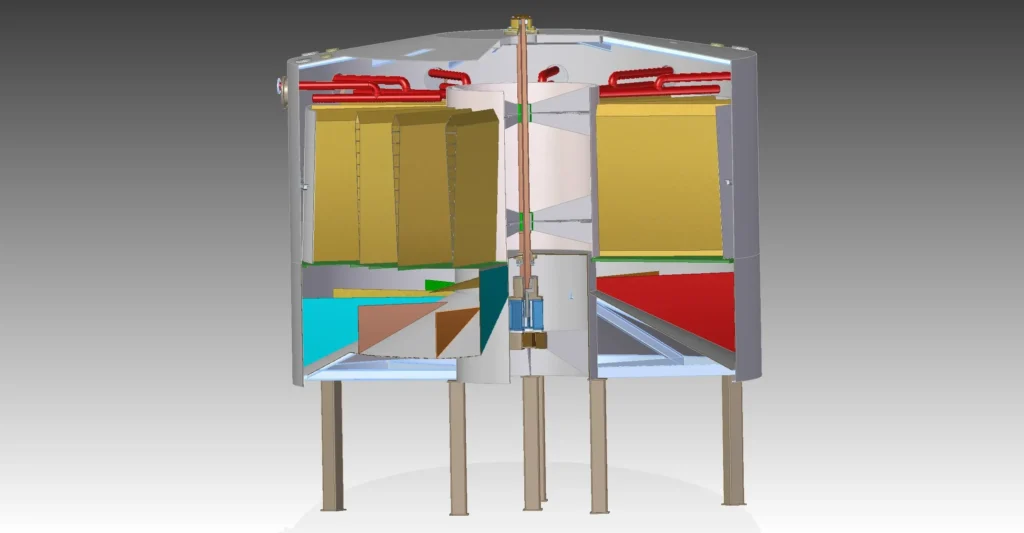
Rotocel extractor 3D equipment layout diagram highlighting monitored components and maintenance access points.
How Does Rotocel Extractor Maintenance Affect Downstream Refining?
Crude peanut oil quality is closely linked to extraction stability. Poorly maintained extractors often produce oil with higher impurities and inconsistent composition.
Stable extraction supported by proper maintenance results in more uniform crude oil quality. This reduces chemical consumption during refining, lowers neutral oil loss, and improves final oil appearance and shelf life.
Is This Maintenance Strategy Suitable for Your Peanut Oil Plant?
This maintenance approach is particularly effective for plants operating under continuous production or facing rising operating costs.
| Plant Condition | Maintenance Benefit |
|---|---|
| Medium to large capacity | Improved stability |
| Continuous operation | Reduced downtime |
| High solvent consumption | Lower costs |
| Aging equipment | Extended service life |
| Export-grade oil production | Consistent quality |
If several of these conditions apply to your plant, structured Rotocel extractor maintenance can deliver measurable operational improvements.
Conclusion
Rotocel extractor maintenance for peanut oil is a strategic operational discipline, not a secondary task. Proper maintenance improves oil yield, reduces solvent loss, enhances safety, and stabilizes long-term production performance. Plants that prioritize maintenance gain a clear competitive advantage through higher efficiency and lower risk.
FAQ
What is Rotocel extractor maintenance in peanut oil production?
Rotocel extractor maintenance refers to the systematic inspection, cleaning, adjustment, and repair of mechanical and process components to ensure stable solvent extraction of peanut oil.
Why is regular maintenance important for Rotocel extractors used in peanut oil plants?
Regular maintenance prevents mechanical wear, uneven solvent distribution, and solvent leakage, which directly affect oil yield, operational stability, and plant safety.
Which components of a Rotocel extractor require the most frequent maintenance?
Key components include rotating cells, bottom screens, solvent spray nozzles, drive systems, and sealing elements, as these directly influence extraction efficiency and solvent containment.
How does Rotocel extractor maintenance affect peanut oil yield?
Proper maintenance ensures uniform solvent contact and stable residence time, reducing residual oil in meal and improving overall oil recovery.
Can effective maintenance reduce solvent loss in peanut oil solvent extraction?
Yes. Maintaining seals, pipelines, and recovery systems minimizes solvent leakage and evaporation, significantly reducing solvent consumption.
Does extractor maintenance influence downstream peanut oil refining?
Yes. Stable extraction produces more consistent crude oil quality, which lowers refining losses and chemical consumption.
How often should Rotocel extractor maintenance be performed?
Inspection frequency depends on operating conditions, but critical components should be checked routinely, with preventive and condition-based maintenance used to avoid unplanned shutdowns.
Can automation support Rotocel extractor maintenance?
Automation systems monitor parameters such as temperature, pressure, and motor load, enabling early detection of abnormal conditions and supporting predictive maintenance.
Need expert support for Rotocel extractor maintenance in your peanut oil plant?
If you are experiencing unstable extraction efficiency, rising solvent costs, or frequent downtime, our engineering team can help you identify root causes and design a maintenance solution tailored to your production capacity and raw materials.
Contact us today for a professional technical consultation and move toward safer operation, higher oil yield, and long-term production stability.