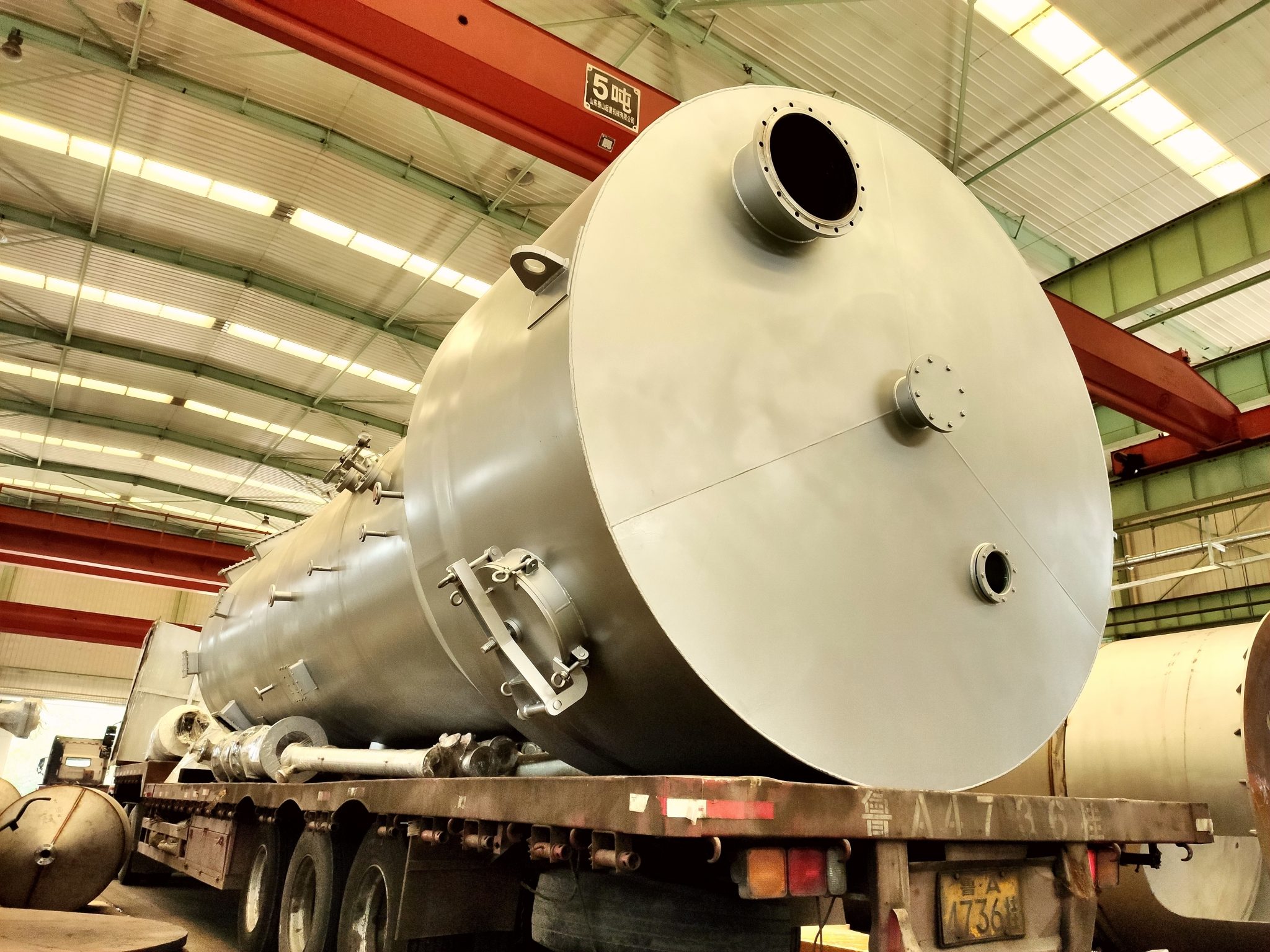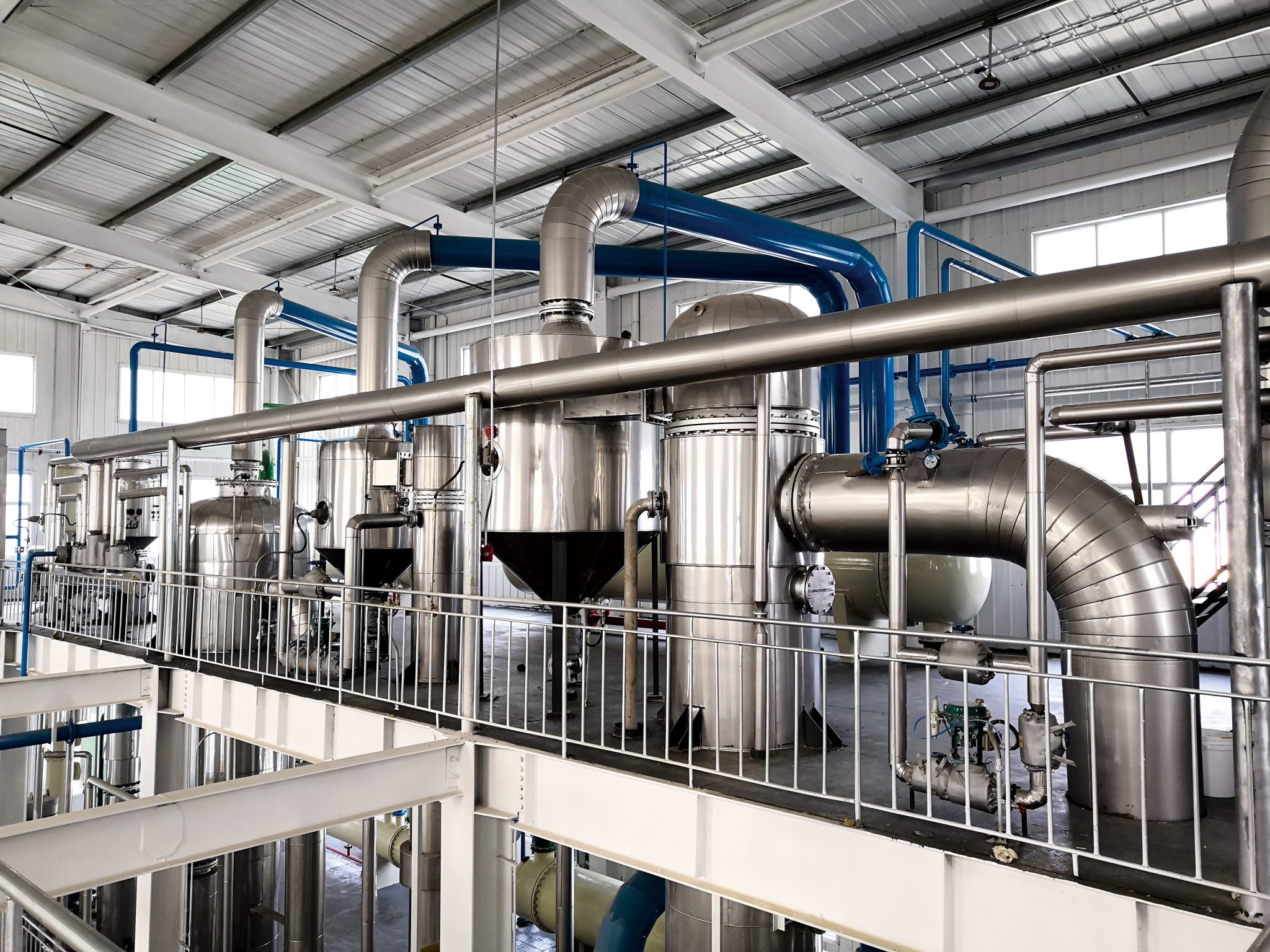
Best Solvent Extraction Plant for Edible Oil Production in 2026
Table of Contents
Introduction

The edible oil industry continues to expand steadily, driven by population growth, changing dietary habits, and increasing demand for processed food products. In this landscape, efficiency and yield are critical for maintaining competitiveness. This is where a solvent extraction plant becomes essential.
Unlike traditional mechanical pressing methods, solvent-based extraction allows producers to recover a significantly higher percentage of oil from raw materials. According to data published in edible oil processing research journals, solvent extraction systems can achieve oil recovery rates of up to 96–98% under optimized conditions, making them the preferred choice for medium to large-scale production.
If you are planning to scale your oil production business or improve extraction efficiency, understanding how a solvent extraction plant works and how to choose the right system is key.
What Is a Solvent Extraction Plant?
A solvent oil extraction plant is an industrial processing system designed to extract oil from oil-bearing materials using chemical solvents, most commonly hexane. The solvent dissolves the oil content from the raw material, allowing for efficient separation and recovery.
A typical plant includes the following core components:
- Raw material preparation unit
- Extractor system
- Solvent recovery and evaporation unit
- Desolventizing system
- Oil refining interface
Compared to mechanical oil expellers, solvent extraction systems are more suitable for large-scale operations where maximizing yield and minimizing waste are top priorities.
How a Solvent Extraction Plant Works
The process begins with pre-treated raw materials, which are cleaned, crushed, and conditioned for optimal extraction.
Next, the material enters the extractor, where it is exposed to a solvent. The solvent dissolves the oil, forming a mixture known as miscella. This mixture is then transferred to an evaporation system, where the solvent is separated from the oil through controlled heating.
The recovered solvent is reused in the system, making the process cost-effective and environmentally controlled. The remaining solid material undergoes desolventizing to remove residual solvent before being discharged.
This closed-loop system ensures high efficiency while maintaining safety and sustainability standards.
Types of Solvent Extraction Plants
Solvent oil extraction plants are designed in different configurations depending on production needs.
Batch solvent extraction plant
Suitable for smaller operations or specialized processing. Offers flexibility but lower throughput.
Continuous solvent extraction plant
Designed for high-capacity industrial production. Ensures consistent output and higher efficiency.
Small-scale vs large-scale systems
Small-scale plants are used for pilot projects or niche production, while large-scale systems handle bulk oil extraction.
Turnkey solutions
Fully integrated systems that include design, installation, and commissioning, ideal for investors seeking complete project solutions.
Key Features of the Best Solvent Extraction Plant
Choosing the best solvent oil extraction plant requires evaluating performance, safety, and operational efficiency.
High oil recovery rate
Modern systems can extract nearly all available oil, significantly improving profitability.
Efficient solvent recovery
Advanced recovery systems reduce solvent loss and operating costs.
Energy-saving design
Optimized heat exchange and insulation systems lower energy consumption.
Safety systems
Explosion-proof design, pressure control, and monitoring systems ensure safe operation.
Durable construction
High-quality materials improve lifespan and reduce maintenance frequency.
Solvent Extraction Plant Capacity and Technical Specifications
Capacity is a critical factor when selecting a plant. It determines production volume and directly impacts return on investment.
Below is a general comparison of capacity ranges and applications:
| Capacity Range (TPD) | Typical Application | Suitable Business Type | Investment Level |
|---|---|---|---|
| 10–50 TPD | Pilot or small-scale production | Startup operations | Moderate |
| 50–200 TPD | Medium-scale oil processing | Growing businesses | Medium to high |
| 200+ TPD | Large industrial production | Established enterprises | High |
Technical specifications also include temperature control, solvent circulation rate, and system automation level, all of which influence efficiency and output quality.
Solvent Extraction Plant Cost and Investment Analysis
The cost of a solvent oil extraction plant depends on several variables:
- Capacity and throughput
- Automation level
- Material quality and engineering design
- Auxiliary systems such as solvent recovery and safety units
Initial investment may be higher compared to mechanical extraction systems, but operational efficiency offsets this cost over time.
Industry financial analyses indicate that businesses using solvent extraction technology can improve profit margins by 10–20% due to higher oil recovery and reduced waste.
How to Choose the Best Solvent Extraction Plant
Selecting the right system requires a strategic approach.
First, define your production goals. Are you targeting niche production or large-scale supply?
Second, evaluate the type and availability of raw materials. Different seeds require different processing conditions.
Third, compare technology options. Continuous systems offer higher efficiency, while batch systems provide flexibility.
Finally, assess supplier capabilities. Reliable technical support, spare parts availability, and system customization are critical for long-term success.
Advantages of Using a Solvent Extraction Plant
A solvent oil extraction plant offers several advantages that make it a preferred choice in modern oil processing:
Higher oil yield compared to mechanical methods
Efficient use of raw materials
Reduced production waste
Scalability for expanding operations
Consistent product quality
These benefits make it particularly suitable for businesses aiming to optimize production and maximize returns.
Common Challenges and Maintenance Tips
Despite its advantages, operating a solvent oil extraction plant requires careful management.
Common challenges include solvent loss, equipment wear, and system inefficiencies. These issues can be minimized through proper maintenance practices.
Recommended maintenance strategies include:
- Regular inspection of solvent recovery systems
- Monitoring temperature and pressure levels
- Routine cleaning of extraction units
- Timely replacement of worn components
Preventive maintenance not only improves performance but also extends equipment lifespan.
Applications of Solvent Extraction Plant in Edible Oil Industry
Solvent oil extraction plants are widely used across various oil processing sectors.
They are suitable for processing multiple oil-bearing materials such as soybean, sunflower seeds, rice bran, and peanuts. Their versatility allows businesses to diversify production and adapt to market demand.
Multi-seed processing capability is particularly valuable for companies aiming to expand product offerings without investing in entirely new systems.
Profitability of Solvent Extraction Plant Business in 2026


The profitability of a solvent oil extraction plant depends on efficiency, scale, and market conditions.
With high oil recovery rates and optimized operational costs, businesses can achieve stable returns. According to industry reports, efficient plants operating at optimal capacity can significantly reduce cost per unit of oil produced.
Additionally, the ability to process large volumes makes it easier to meet growing demand and secure long-term supply contracts.
For investors and operators, this creates a strong foundation for sustainable growth.
Conclusion
A solvent oil extraction plant is a powerful solution for businesses aiming to achieve high efficiency and large-scale oil production. Its ability to maximize oil recovery while maintaining consistent quality makes it an essential investment in modern edible oil processing.
For decision-makers, the key lies in selecting a system that aligns with production goals, operational capacity, and long-term growth strategy. With the right approach, a solvent extraction plant can deliver not only technical efficiency but also strong financial performance in an increasingly competitive market.
FAQ
What is a solvent extraction plant used for?
A solvent extraction plant is an industrial system designed to extract oil from oil-bearing materials such as seeds, nuts, or bran using chemical solvents. It is widely used in large-scale edible oil production because it can recover a higher percentage of oil compared to traditional mechanical pressing methods, improving efficiency and output.
How does a solvent extraction plant improve oil yield?
A solvent extraction plant improves oil yield by using a solvent to dissolve oil directly from the raw material, ensuring more complete extraction. Unlike mechanical pressing, which leaves residual oil in the cake, this method maximizes recovery rates and reduces waste, making it highly efficient for commercial oil processing operations.
What solvent is commonly used in a solvent extraction plant?
Hexane is the most commonly used solvent in a solvent extraction plant due to its high efficiency in dissolving oil and its relatively low boiling point, which makes recovery easier. It allows for effective oil separation and can be reused within the system, helping reduce operational costs and improve overall process efficiency.
Is a solvent extraction plant suitable for large-scale production?
Yes, a solvent extraction plant is highly suitable for large-scale production due to its continuous operation capability and high processing capacity. It is commonly used in industrial oil mills where large volumes of raw materials need to be processed efficiently while maintaining consistent oil quality and maximizing output.
What factors affect the performance of a solvent extraction plant?
The performance of a solvent extraction plant depends on several factors, including the quality and moisture content of raw materials, system design, temperature and pressure control, and solvent recovery efficiency. Proper operation and regular maintenance also play a key role in ensuring stable performance and high oil yield.
Need Help Choosing the Right Solvent Extraction Plant?
If you’re unsure which solvent extraction plant is best for your production capacity, raw materials, or investment plan, our experts are here to help. We provide professional guidance to ensure you select a system that delivers high efficiency, safety, and long-term performance.
Contact us today for a personalized consultation and get a tailored solution for your edible oil processing needs. Don’t delay your business growth—reach out now to build a reliable, high-yield solvent extraction plant with confidence!