Soybean Oil Solvent Extraction: Technology, Process, and Plant Design
Core Summary
- Solvent extraction ensures high soybean oil recovery and consistent quality
- Proper preparation and flake conditioning improve efficiency and reduce energy use
- Integrated solvent recovery and automation reduce cost and environmental impact
- Modern extraction plants are designed for safety, scalability, and long-term reliability

Table of Contents
Introduction
Soybean oil solvent extraction is widely used in industrial edible oil production. Global demand for soybean oil continues to rise, putting pressure on producers to maximize yield while ensuring safety, stability, and product quality.
Compared with mechanical pressing, solvent extraction achieves higher oil recovery and is suitable for medium and large-scale production. Understanding the full process—from preparation to solvent recovery—is essential for building a reliable and profitable plant.
Why Is Solvent Extraction Ideal for Soybean Oil?
Soybeans contain moderate oil content. Mechanical pressing leaves significant residual oil, reducing profitability. Solvent extraction efficiently dissolves the oil from flaked soybeans, achieving higher recovery rates while accommodating different soybean varieties and moisture levels.
How Does Cleaning and Preparation Affect Extraction?
Raw soybeans contain dust, stones, and plant residues. Cleaning prevents equipment damage and ensures stable extraction. Advanced systems remove impurities, while proper flaking increases surface area for solvent penetration. Uniform flake thickness prevents channeling, improving oil recovery and reducing solvent consumption.
Why Is Conditioning and Moisture Control Important?
Conditioning softens soybean cellular structures and adjusts moisture for optimal extraction. Too dry reduces oil release; too wet reduces solvent efficiency. Temperature-controlled conditioning ensures maximum oil accessibility without damaging protein content.
How Does the Solvent Extraction Process Work?
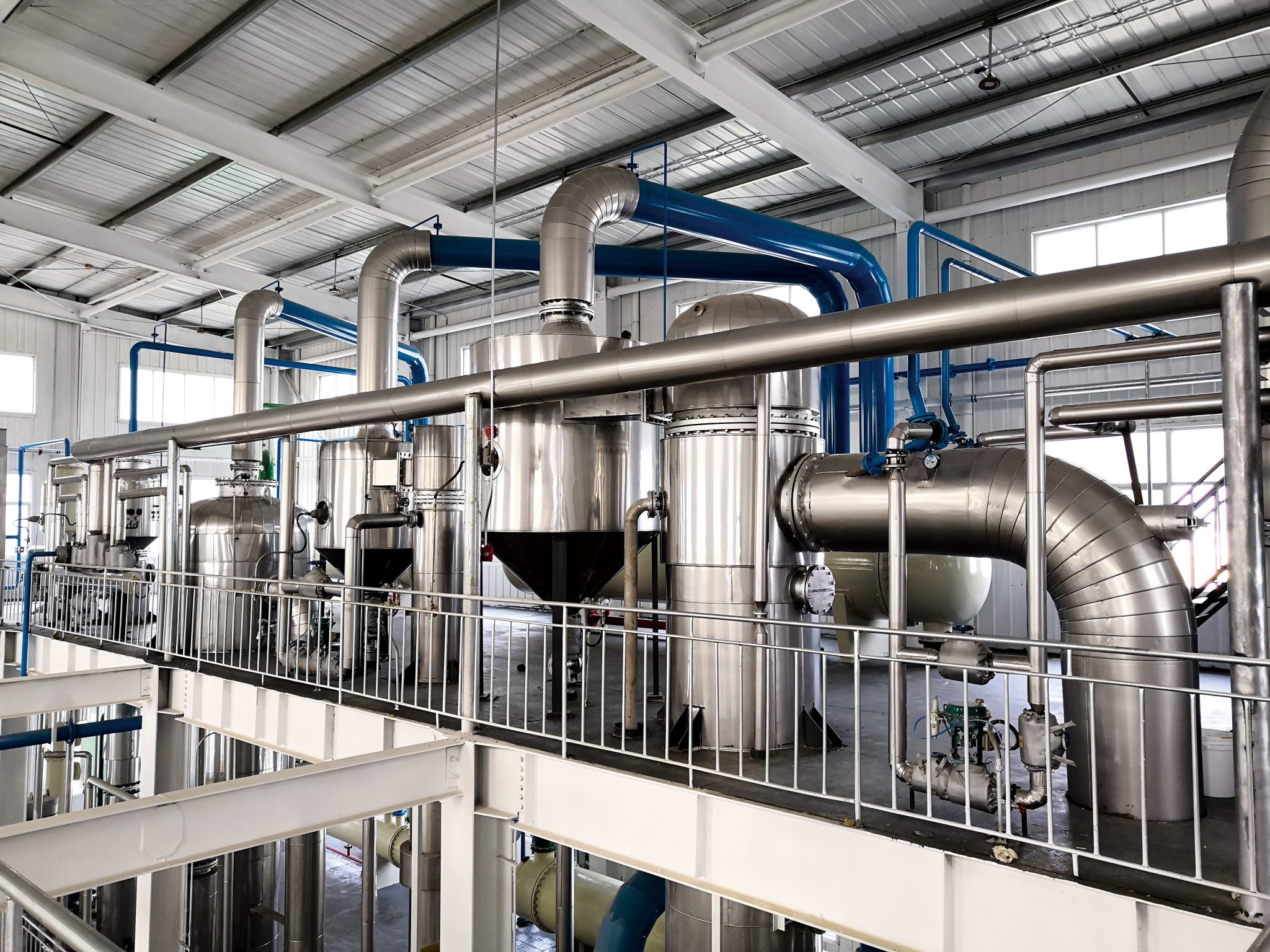
In the extractor, flaked soybeans are contacted with food-grade solvent such as hexane. Oil dissolves into the solvent, forming a mixture that separates from the defatted meal. Continuous systems ensure uniform solvent distribution, adequate residence time, and stable material flow for high oil recovery.
How Is Defatted Meal Desolventized?
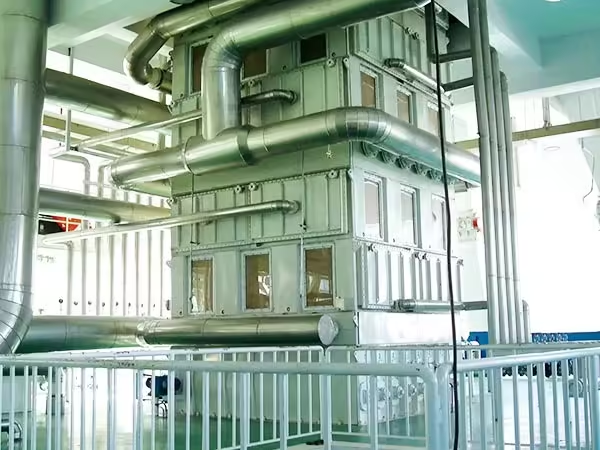
After extraction, residual solvent in the meal must be removed. Desolventizing-toasting units use controlled heat to evaporate solvent while preserving protein quality. Proper operation ensures safety and compliance with food-grade standards.

How Is Solvent Recovered and Reused?
Oil-solvent mixture is distilled to separate oil and recover solvent. Efficient recovery reduces operating costs and environmental impact. Heat integration and closed-loop circulation further optimize energy use.
| Process Stage | Key Parameters | Target Performance |
|---|---|---|
| Cleaning | Impurity removal | >99% stones and foreign matter |
| Flaking | Thickness control | 0.3–0.5 mm uniform flakes |
| Conditioning | Moisture 7–10%, Temp 80–90°C | Max oil release, minimal protein damage |
| Extraction | Solvent flow rate, residence time | Oil recovery >95% |
| Meal Desolventization | Temp 105–120°C | Residual solvent <1% |
| Solvent Recovery | Distillation efficiency | Solvent recovery >99%, energy optimized |
How Does Automation Improve Extraction Stability?
Automation allows real-time monitoring of temperature, pressure, solvent flow, and material feed. Alarm systems detect deviations, ensuring safety and consistent oil recovery. Data also supports traceability and regulatory compliance.
What Are the Safety Considerations in Solvent Extraction Plants?
Solvent extraction involves flammable materials. Modern plants incorporate explosion-proof equipment, closed-loop solvent systems, proper ventilation, and operator training. Safety protocols ensure compliance with international standards.
How Does Extraction Efficiency Affect Refining?
Crude soybean oil quality affects refining efficiency. Stable extraction conditions reduce refining losses, chemical usage, and final oil variability. Integrated design between extraction and refining improves overall plant efficiency.
How Can Energy Efficiency and Sustainability Be Improved?
Optimized design minimizes energy use per ton of soybeans. Heat recovery, efficient motors, and closed-loop solvent recycling reduce operating costs and environmental footprint. This supports regulatory compliance and sustainability goals.
Can Solvent Extraction Plants Scale for Future Expansion?
Plants can be designed with modular layouts and flexible equipment to allow capacity increases without major reconstruction. Scalability ensures long-term profitability and adaptability to growing market demand.
Conclusion
Soybean oil solvent extraction is essential for modern industrial oil production. Optimized preparation, high-quality extractors, efficient solvent recovery, and integrated automation ensure high oil recovery, stable operation, and lower costs. For medium and large-scale plants, solvent extraction provides a scalable, reliable, and profitable solution.
FAQ
Why is solvent extraction preferred over mechanical pressing?
It achieves higher oil recovery and reduces residual oil in meal.
Is soybean oil from solvent extraction safe for food use?
Yes, when the plant is designed and operated properly.
How does preparation influence extraction efficiency?
Cleaning and flaking improve solvent penetration and oil release.
Can solvent extraction systems operate continuously?
Yes, industrial systems are built for long-term continuous operation.
Is solvent recovery energy-intensive?
Efficient recovery systems and heat integration minimize energy consumption.
Planning a soybean oil solvent extraction project or upgrading an existing facility?
Our engineering team provides customized solutions to maximize oil recovery, ensure safety, and optimize energy efficiency. Contact us today for a tailored soybean oil extraction solution and start producing reliable, high-quality edible oil.