Soybean Protein Concentrate Plant: Process Design, Equipment, and Turnkey Solutions
Table of Contents
What Is a Soybean Protein Concentrate Plant?
A soybean protein concentrate plant is a specialized processing facility designed to convert defatted soybean flakes into high-value soybean protein concentrate with a protein content typically above 65 percent on a dry basis. This product is widely used in animal feed, aquaculture, pet food, and increasingly in plant-based food applications due to its balanced amino acid profile and reduced anti-nutritional factors.
A modern soybean protein concentrate plant integrates raw material preparation, alcohol or aqueous extraction, desolventizing, drying, and packaging into a continuous and controlled system. Most commercial projects are delivered as turnkey solutions to ensure stable product quality, high protein retention, and efficient solvent recovery.
Why Is a Soybean Protein Concentrate Plant Important for Soy Processors?
Soy processors face increasing demand for high-protein, low anti-nutritional soybean products. A soybean protein concentrate plant allows producers to move beyond commodity soybean meal and enter higher-value markets.
Key benefits include improved protein concentration, removal of soluble carbohydrates and anti-nutritional compounds, and better digestibility for monogastric animals and aquaculture species. For integrated oilseed processors, a soybean protein concentrate plant also enables full utilization of soybean white flakes generated after oil extraction.
Market Drivers Behind SPC Production
The global growth of aquaculture, pet nutrition, and plant-based protein markets has significantly increased demand for soybean protein concentrate. Compared with traditional soybean meal, SPC offers lower levels of oligosaccharides and trypsin inhibitors, making it suitable for sensitive diets.
Raw Material Requirements for SPC Production
The primary raw material for a soybean protein concentrate plant is low-temperature desolventized soybean white flakes. These flakes must retain native protein functionality while maintaining low residual oil content.
Key raw material parameters typically include:
- Protein content above 50 percent
- Residual oil content below 1 percent
- Low thermal damage index
- Uniform particle size
High-quality soybean white flakes are essential for achieving consistent SPC quality and high protein recovery.
Soybean Protein Concentrate Production Process
Extraction of Soluble Carbohydrates
The core step in a soybean protein concentrate plant is the selective removal of soluble carbohydrates using aqueous alcohol or water-based extraction systems. This process preserves protein structure while reducing anti-nutritional components.
Alcohol concentration, temperature, and residence time are tightly controlled to ensure consistent extraction efficiency.
Solid-Liquid Separation
After extraction, solids are separated from the extraction solution using filtration or centrifugation systems. Efficient separation minimizes protein loss and improves solvent recovery performance.
Desolventizing and Drying
The extracted protein-rich solids are transferred to desolventizing and drying units. Controlled temperature profiles are critical to avoid protein denaturation while ensuring safe solvent removal.
Cooling and Packaging
Final SPC product is cooled, screened if necessary, and packed into bulk bags or silos for storage and distribution.
Typical Process Parameters
| Process Stage | Key Parameter | Purpose |
|---|---|---|
| Extraction | Alcohol concentration 60–70% | Remove soluble carbohydrates |
| Extraction | Temperature 40–60°C | Preserve protein structure |
| Separation | Moisture control | Minimize protein loss |
| Drying | Final moisture ≤10% | Ensure product stability |
| Packaging | Controlled environment | Maintain protein quality |
Key Equipment in a Soybean Protein Concentrate Plant
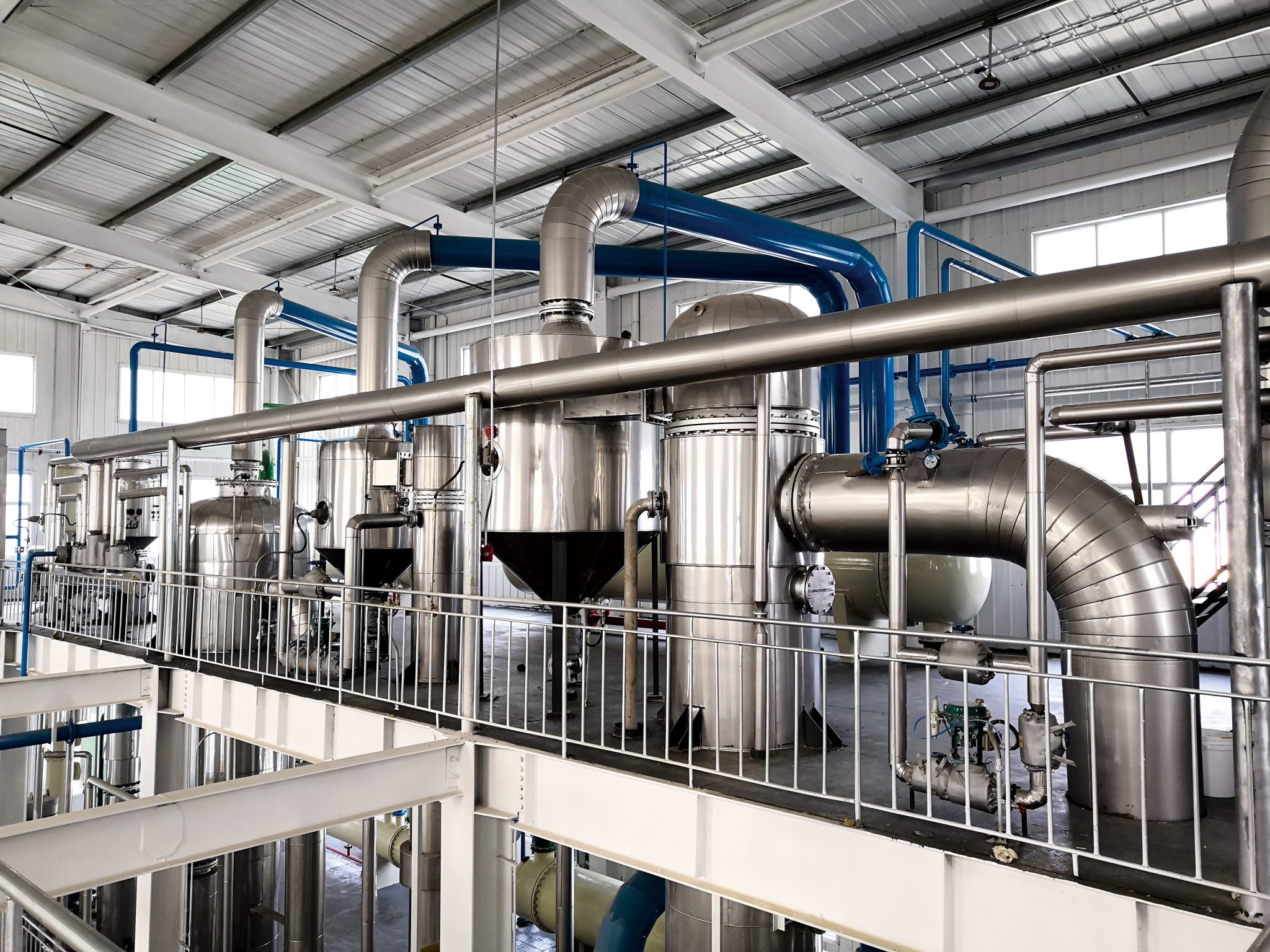
A complete soybean protein concentrate plant includes:
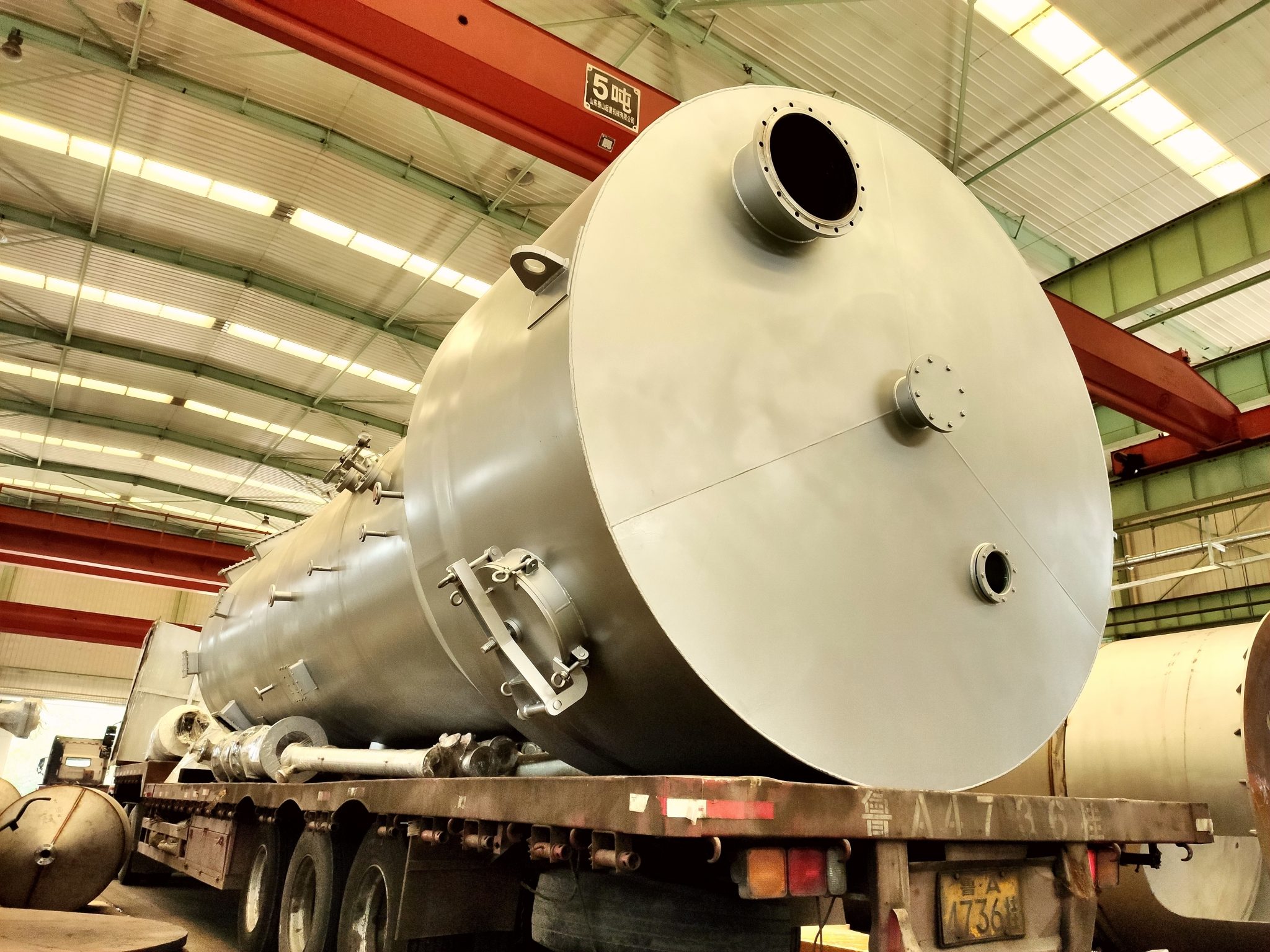
- Extraction reactors or extractors
- Solid-liquid separation units
- Desolventizing and drying systems
- Solvent recovery and recycling units
- Process automation and control systems
- Packaging and storage equipment
Automation plays a critical role in maintaining extraction consistency, solvent balance, and product safety.
Integration With Oil Extraction and Flake Production
Most soybean protein concentrate plants are integrated with upstream soybean oil extraction lines. Low-temperature soybean white flakes are conveyed directly from the extraction plant, reducing handling losses and preserving protein functionality.
This integrated design improves overall plant efficiency and maximizes value from each ton of soybeans processed.
Typical Plant Capacities
| Plant Capacity | SPC Output per Day | Application |
|---|---|---|
| Small | 5–10 tons | Pilot or specialty feed |
| Medium | 20–50 tons | Commercial feed production |
| Large | 100+ tons | Industrial-scale SPC supply |
Capacity selection depends on raw material availability, downstream market demand, and solvent recovery design.

Quality Control and Product Standards
A soybean protein concentrate plant must comply with strict quality and safety standards. Key control points include protein content consistency, solvent residue limits, moisture control, and microbiological safety.
Continuous monitoring and sampling ensure that the SPC product meets feed and food-grade specifications where applicable.
Conclusion
A soybean protein concentrate plant enables processors to upgrade soybean processing from commodity production to high-value protein solutions. Through precise extraction, efficient solvent recovery, and integrated design, turnkey SPC plants deliver consistent protein quality, strong market competitiveness, and long-term operational stability. Investing in a soybean protein concentrate plant is a strategic step toward maximizing soybean value and meeting global protein demand.
FAQ
- What is the protein content of soybean protein concentrate?
Typically above 65 percent on a dry basis. - What raw material is required for SPC production?
Low-temperature desolventized soybean white flakes. - Is alcohol extraction safe for SPC production?
Yes, when properly designed with closed-loop solvent recovery systems. - Can SPC plants be integrated with oil extraction lines?
Yes, integration improves efficiency and protein quality. - Is turnkey delivery recommended for SPC projects?
Yes, turnkey solutions ensure stable operation and consistent product quality.