Advanced Guide to Vegetable Oil Refining Technology for High-Quality Production
Table of Contents
Introduction

Vegetable oil refining process plays a crucial role in producing safe, stable, and high-quality edible oils. It involves a series of physical and chemical processes that remove impurities, improve clarity, and enhance the taste and shelf life of crude vegetable oils. With modern technology, refining has become more efficient, consistent, and suitable for both small and industrial-scale production.
What is Vegetable Oil Refining Technology?
Vegetable oil refining process refers to the industrial process used to purify crude vegetable oils extracted from seeds or nuts. The goal is to remove unwanted substances such as free fatty acids, phospholipids, pigments, moisture, and odor compounds, resulting in refined oil that meets food-grade standards.
Main Stages of Vegetable Oil Refining Technology
Degumming
Removes phospholipids and gum substances that affect oil stability and clarity.
Neutralization
Uses alkaline solutions to reduce free fatty acid levels and improve taste.
Bleaching
Applies bleaching earth or activated carbon to remove pigments and color impurities.
Deodorization
Uses high temperature and vacuum conditions to eliminate odor and volatile compounds.
Dewaxing (Optional)
Removes waxes to improve oil transparency, especially for sunflower and corn oil.
Equipment Used in Vegetable Oil Refining Technology
| Equipment | Function |
|---|---|
| Degumming Tank | Removes gums and phospholipids |
| Neutralization Reactor | Reduces free fatty acids |
| Bleaching Unit | Improves oil color and purity |
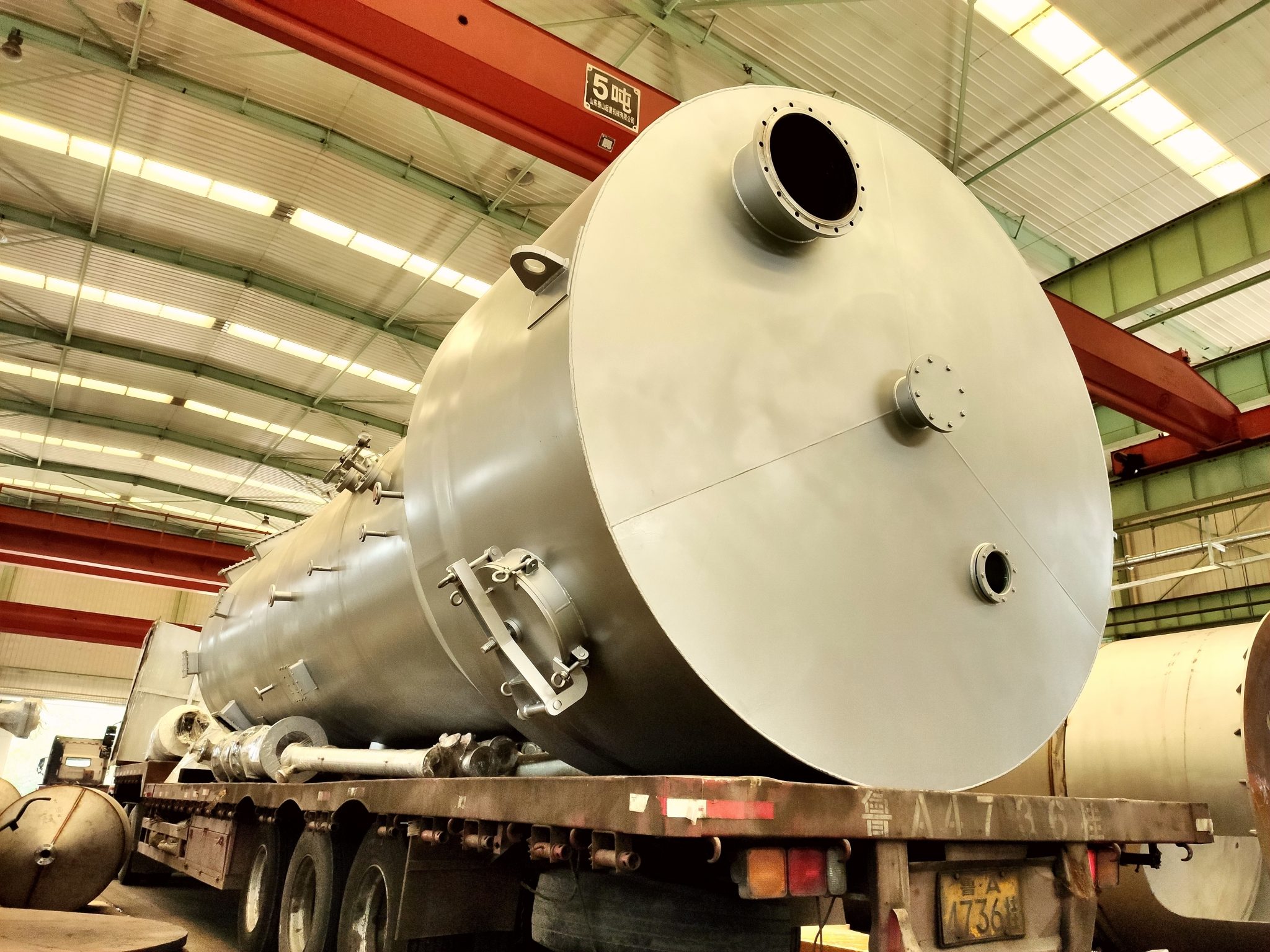
| Deodorization Tower | Removes odor compounds |
| Vacuum System | Ensures stable low-pressure environment |
| Heat Exchanger | Controls processing temperature |
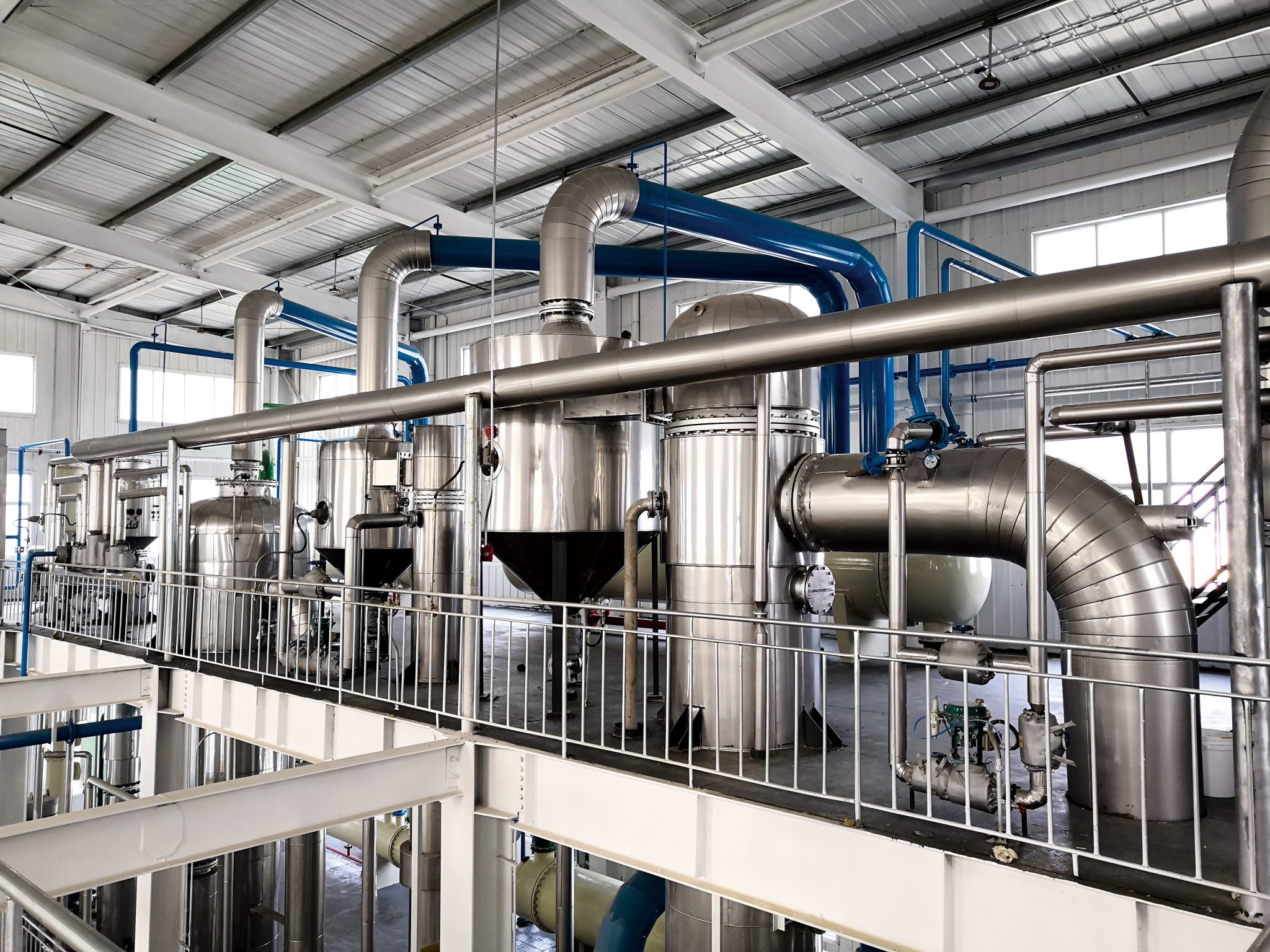
Each component of vegetable oil refining process ensures efficient purification and consistent oil quality.
Benefits of Vegetable Oil Refining Technology
- Produces high-quality edible oil
- Improves oil stability and shelf life
- Removes harmful impurities and odors
- Enhances appearance and taste
- Suitable for industrial-scale production
Applications
Vegetable oil refining process is widely used in:
- Edible oil production plants
- Food processing industries
- Cooking oil bottling companies
- Cosmetic and industrial oil manufacturing
Best Practices for Efficient Refining


- Maintain stable temperature and pressure conditions
- Use high-quality crude oil as input material
- Regularly clean and inspect equipment
- Monitor chemical dosing carefully during neutralization
- Ensure proper vacuum system performance
Conclusion
Vegetable Oil Refining Technology is essential for producing safe and high-quality edible oils. By using modern refining processes and proper equipment, manufacturers can ensure consistent product quality, improved efficiency, and longer shelf life. It remains a core technology in the global edible oil industry.
FAQ
What is Vegetable Oil Refining Technology?
Vegetable Oil Refining Technology is an industrial process used to purify crude vegetable oils by removing impurities such as free fatty acids, pigments, moisture, and odor compounds. The process ensures the final oil meets edible-grade standards with improved clarity, stability, and safety for consumption.
Why is oil refining important?
Oil refining is important because it enhances the quality, safety, and usability of crude vegetable oils. Through Vegetable Oil Refining Technology, impurities are removed, improving taste, odor, shelf life, and stability, making the oil suitable for cooking, packaging, and commercial distribution.
What oils can be refined using this technology?
Vegetable Oil Refining Technology can be applied to a wide range of oils, including soybean oil, sunflower oil, palm oil, peanut oil, and rapeseed oil. These oils require refining to ensure purity, improve flavor, and meet food safety standards for industrial and consumer use.
Can small businesses use refining technology?
Yes, small and medium-sized businesses can use Vegetable Oil Refining Technology through compact refining systems. These machines are designed for efficient operation at lower capacity while still ensuring high-quality oil output, making them ideal for startups and growing edible oil processors.
Does refining affect nutritional value?
Vegetable Oil Refining Technology may slightly reduce some natural nutrients due to heat and processing steps, but it greatly improves oil safety, stability, and shelf life. The result is a more refined, consistent, and commercially usable product suitable for large-scale distribution.
Need Help Choosing the Right Vegetable Oil Refining Technology?
If you’re unsure which refining system suits your production needs, our experts are here to help. Contact us today for a customized solution and start producing high-quality refined vegetable oil efficiently and safely.