What Is Included in a Turnkey Edible Oil Production Line?
Core Summary
- What “turnkey” really means in edible oil engineering projects
- Which processing sections determine plant performance and reliability
- How system integration affects yield, safety, and operating cost
- Why turnkey solutions reduce project risk and accelerate commissioning
Introduction
For investors and plant owners entering the edible oil industry, equipment selection is only one part of the challenge. The greater risk often lies in system integration, project coordination, and operational readiness. This is where a turnkey edible oil production line becomes critical.
Rather than purchasing individual machines, a turnkey solution delivers a complete, engineered system designed to operate as a unified production line. Understanding what is included in a turnkey edible oil production line helps decision-makers evaluate suppliers, control project risk, and achieve stable production faster.
What Does “Turnkey” Mean in Edible Oil Plant Engineering?
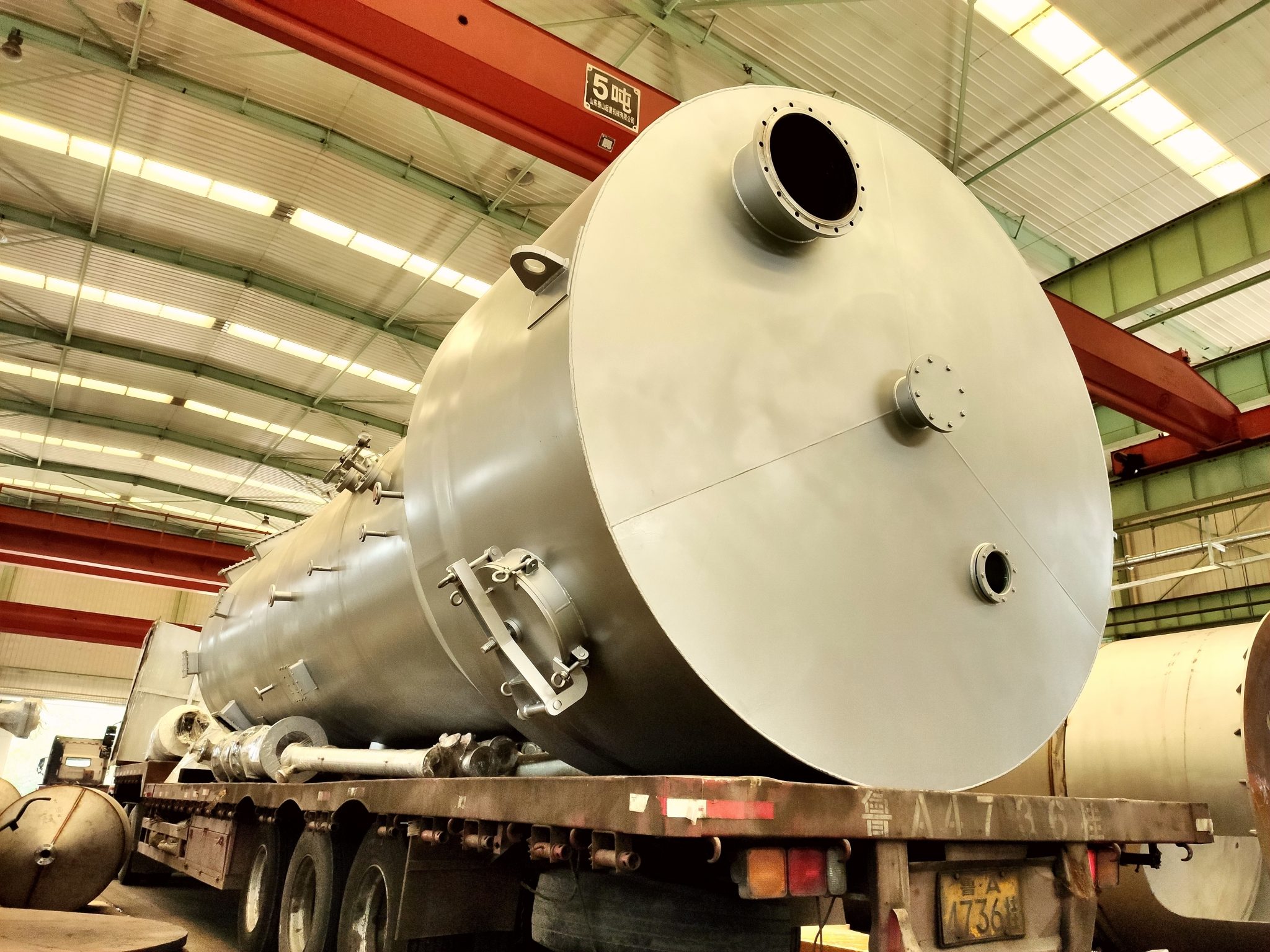
In an engineering context, “turnkey” means that the supplier takes responsibility for the entire production system, from process design to commissioning. The client receives a fully integrated plant that is ready for operation rather than a collection of standalone equipment.
A true turnkey edible oil production line includes process engineering, equipment matching, layout design, automation integration, and technical support during installation and startup. This approach minimizes interface risks between different systems and suppliers.
Which Processing Sections Are Included in a Turnkey Edible Oil Line?
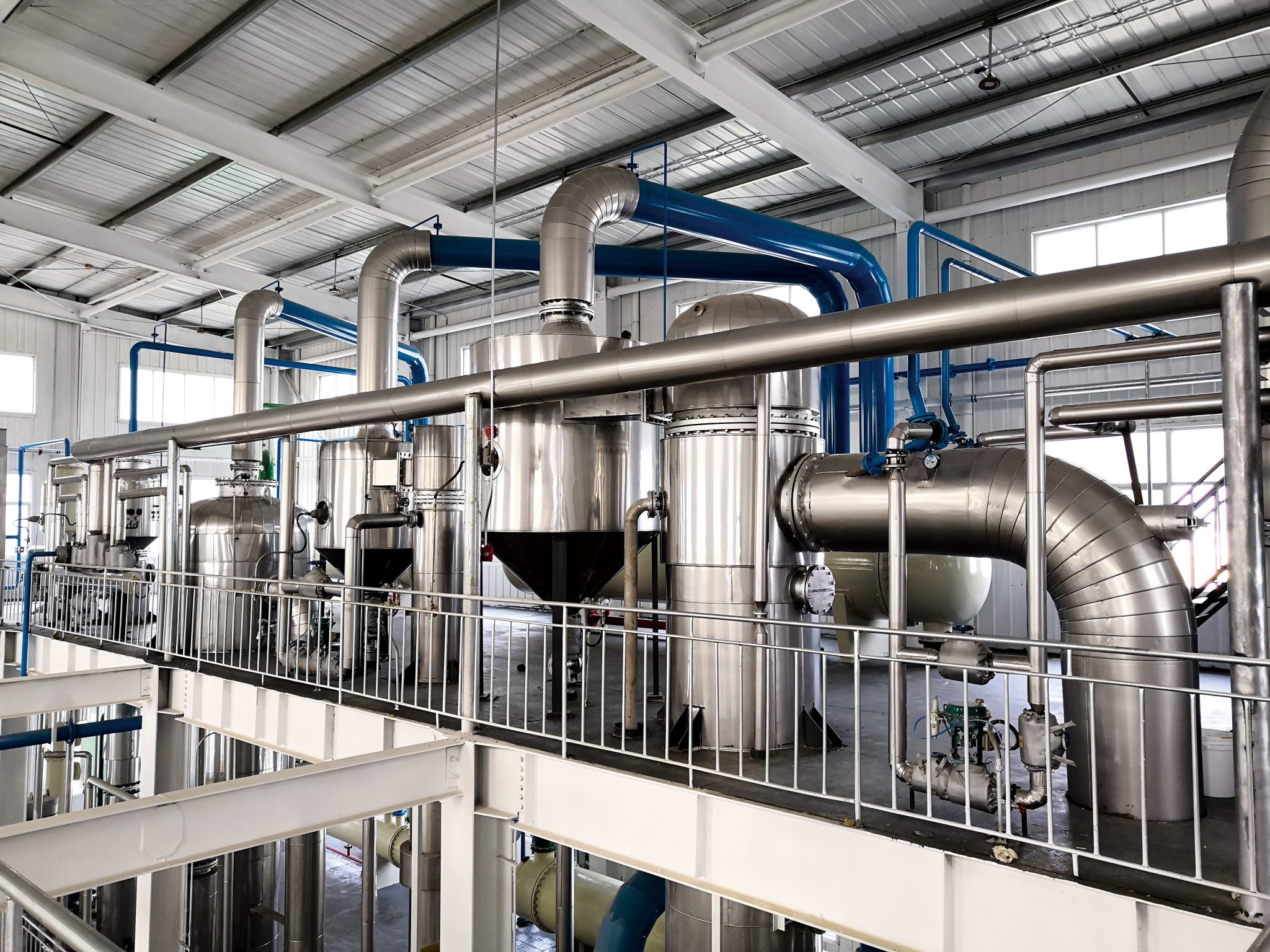
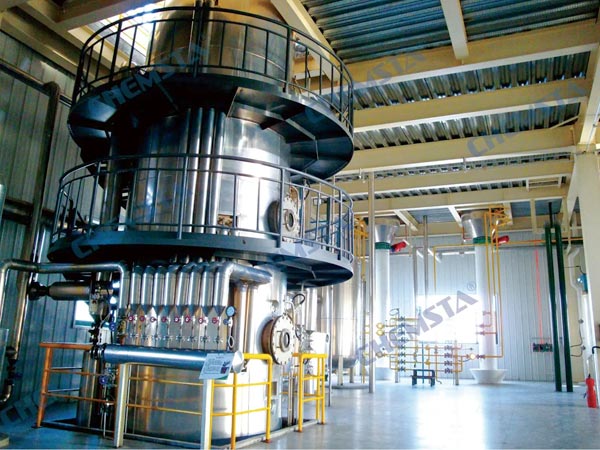
A complete turnkey edible oil production line typically consists of several core processing sections, each designed to work seamlessly with the others.
| Processing Section | Function |
|---|---|
| Raw material preparation | Cleaning, grading, and conditioning |
| Pretreatment | Crushing, flaking, cooking |
| Oil extraction | Pressing, solvent extraction, or combined |
| Oil refining | Degumming, neutralization, bleaching, deodorization |
| Auxiliary systems | Steam, solvent recovery, automation |
Each section is engineered based on raw material characteristics, production capacity, and final oil quality requirements.
How Is Raw Material Preparation Engineered for Stable Production?
Raw material preparation sets the foundation for the entire production line. Proper cleaning and conditioning protect downstream equipment and stabilize extraction performance.
In turnkey projects, preparation systems are designed to handle impurities, moisture variation, and seed size differences. This ensures consistent feeding and reduces mechanical stress on pretreatment and extraction equipment.
Why Is Pretreatment Critical to Extraction Efficiency?
Pretreatment directly influences oil yield and extraction stability. Crushing, flaking, and cooking parameters are engineered to optimize oil cell rupture while maintaining material structure suitable for extraction.
A turnkey approach ensures that pretreatment parameters are matched precisely to the extraction method, whether mechanical pressing, solvent extraction, or pre-press solvent extraction.
How Is the Extraction System Selected and Integrated?
The extraction section is the core of any edible oil production line. In industrial-scale plants, continuous solvent extraction is often selected due to its high oil recovery and stable operation.
Turnkey suppliers design the extraction system to process a wide range of raw materials, including soybean flakes and high oil-content seeds such as peanuts, rapeseed, sunflower seeds, and cottonseeds. System integration ensures smooth material flow, optimized solvent recovery, and reduced oil loss.
What Does a Turnkey Oil Refining Section Include?
Oil refining is essential for producing market-ready edible oil. A turnkey refining section typically includes degumming, neutralization, bleaching, and deodorization systems.
Engineering focus is placed on minimizing refining losses, reducing energy consumption, and maintaining consistent oil quality. Integration with upstream extraction ensures stable crude oil input and predictable refining performance.
How Do Automation and Control Systems Improve Reliability?
Automation plays a critical role in modern edible oil plants. Turnkey solutions integrate centralized control systems that monitor temperature, pressure, flow rates, and solvent recovery.
Digital monitoring reduces human error, improves process stability, and allows operators to respond quickly to deviations. Over time, automation contributes significantly to lower operating costs and improved plant safety.
How Does Turnkey Engineering Reduce Project Risk?
One of the biggest advantages of a turnkey edible oil production line is risk reduction. With a single engineering responsibility, design conflicts, installation delays, and commissioning issues are minimized.
Turnkey projects follow a unified engineering logic, ensuring that every system component is compatible and optimized for overall plant performance rather than individual equipment efficiency.
Which Projects Benefit Most from Turnkey Solutions?
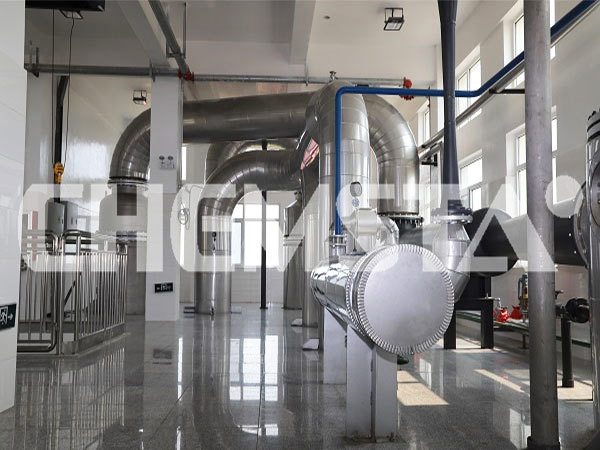
Turnkey edible oil production lines are particularly suitable for medium to large-scale projects, first-time investors, and plants targeting consistent long-term operation.
They are also ideal for producers processing multiple oilseeds or planning future capacity expansion, as turnkey systems are designed with scalability and adaptability in mind.
Conclusion
A turnkey edible oil production line is more than a complete equipment package. It is an engineered system designed to deliver stable operation, high oil yield, and long-term reliability. By integrating preparation, extraction, refining, and automation into a unified solution, turnkey projects reduce risk and accelerate the path to profitable production.
For producers seeking efficiency, scalability, and predictable performance, turnkey engineering is the most effective approach to edible oil plant development.
FAQ
What is included in a turnkey edible oil production line?
It includes process design, equipment supply, system integration, installation guidance, and commissioning support.
Is a turnkey solution suitable for small plants?
It is most beneficial for medium to large plants, but can also be adapted for smaller projects.
Can turnkey lines process different oilseeds?
Yes, when engineered for flexibility and adaptability.
Does turnkey engineering reduce operating costs?
Yes, through optimized system design and automation.
How long does it take to commission a turnkey oil plant?
Project timelines depend on capacity and configuration, but turnkey projects generally start faster.
Planning a new edible oil project or upgrading an existing plant?
Our engineering team delivers turnkey edible oil production lines tailored to your raw materials, capacity goals, and long-term operating strategy. Contact us today to discuss your project and receive a customized engineering solution designed for reliable performance and maximum return.