7 Costly Mistakes to Avoid When Building an Edible Oil Production Plant
Table of Contents
Introduction
Building an edible oil production plant is a significant industrial investment, requiring meticulous planning, specialized technical expertise, and a long-term strategic vision.
However, constructing an edible oil production plant is far more complex than simply purchasing and installing a few machines in a factory. Modern vegetable oil processing facilities rely on integrated systems that combine raw material preparation, oil extraction, solvent recovery, refining, automation, and energy management. Therefore, partnering with a manufacturer that can provide turnkey solutions for edible oil production is essential.
By identifying the most common mistakes made during the planning and construction of an edible oil production plant, investors can avoid unnecessary risks and ensure the long-term success of their processing facilities.
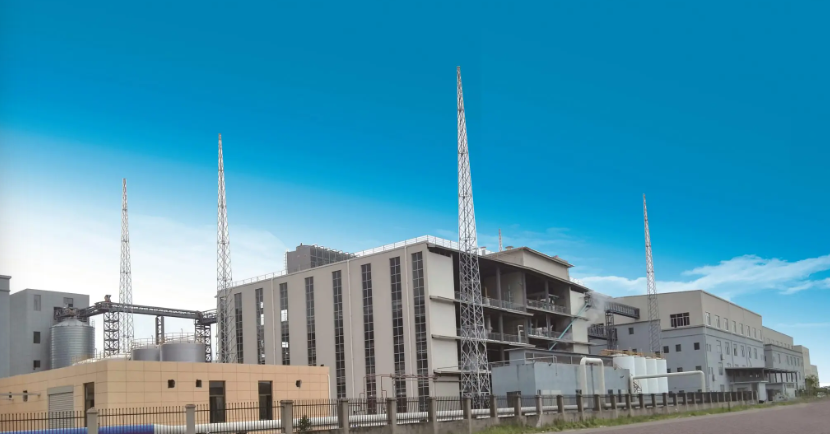
Why Do Some Edible Oil Production Plants Fail to Achieve Expected Profit?
Despite strong market demand, some edible oil processing projects fail to achieve their projected profitability. The main reason is not market conditions but rather technical and planning mistakes during the early stages of the project.
Many investors focus only on equipment purchase costs while ignoring critical aspects such as process design, plant layout, raw material handling, and energy efficiency. Without a properly designed processing flow, even high-quality equipment cannot deliver optimal performance.
Another common issue is the lack of integration between different processing sections. In a modern edible oil production plant, every stage of the process must operate in harmony. If one section becomes a bottleneck, it can reduce the efficiency of the entire production line.
For example, insufficient raw material preparation can reduce oil extraction efficiency, while poorly designed solvent recovery systems can increase operating costs and environmental risks. These challenges highlight the importance of comprehensive engineering design when building a new oil processing facility.
Mistake 1: Choosing Plant Capacity Without Market Analysis
Selecting the right production capacity is one of the most critical decisions when building an edible oil production plant. Many investors make the mistake of choosing plant capacity based only on available budget rather than conducting a detailed market analysis.
If the plant capacity is too small, the facility may not generate enough revenue to justify the investment. Small plants also tend to have higher unit production costs because they cannot benefit from economies of scale.
On the other hand, building an excessively large plant without sufficient raw material supply or market demand can lead to underutilized equipment and increased financial pressure.
Proper capacity planning should consider several key factors, including local oilseed availability, transportation infrastructure, regional demand for edible oils, and potential export opportunities.
A well-sized edible oil production plant balances raw material supply with processing capacity to maintain stable production and strong profitability.
Mistake 2: Ignoring Raw Material Preparation
Raw material preparation is one of the most important steps in the edible oil processing chain, yet it is often underestimated by new investors.
Oilseeds entering the plant may contain impurities such as dust, stones, metal fragments, and damaged seeds. If these impurities are not removed before processing, they can damage equipment and reduce extraction efficiency.
Preparation processes such as cleaning, cracking, flaking, and conditioning play a critical role in maximizing oil recovery. Properly prepared seed flakes allow solvent or mechanical pressing systems to extract oil more efficiently.
For example, oilseed flaking increases the surface area of the material, which improves solvent penetration during extraction. Conditioning the flakes with controlled temperature and moisture further enhances oil release.
In a modern edible oil production plant, a well-designed preparation section ensures stable operation, protects equipment, and significantly improves oil yield.
Mistake 3: Using Only Mechanical Pressing for Large-Scale Plants
Mechanical pressing is one of the oldest methods of extracting oil from seeds. While it is simple and widely used in small processing facilities, relying solely on mechanical pressing is not ideal for large industrial plants.
Mechanical presses cannot recover all the oil contained in oilseeds. A significant portion of oil often remains in the pressed cake, reducing overall extraction efficiency.
Large-scale edible oil production plants typically combine pre-pressing with solvent extraction technology. In this process, mechanical presses remove a portion of the oil first, and the remaining oil is recovered using a solvent extraction system.
Continuous solvent extraction systems can achieve oil recovery rates above 98 percent. This dramatically improves raw material utilization and increases profitability.
For industrial plants processing hundreds of tons of oilseeds per day, solvent extraction technology has become the industry standard due to its high efficiency and stable production performance.
Mistake 4: Poor Plant Layout and Equipment Integration
Plant layout design is another critical factor that directly affects the operational efficiency of an edible oil production plant.
In an efficient facility, raw materials move smoothly through each processing stage without unnecessary transportation or delays. Poorly designed layouts can create bottlenecks that slow production and increase operating costs.
For example, if storage areas are located far from processing equipment, additional conveyors and transportation systems may be required. This increases installation costs and energy consumption.
Professional engineering teams typically design plant layouts using advanced simulation software and three-dimensional modeling. These tools help optimize equipment placement, material flow, and maintenance accessibility.
A well-designed layout ensures efficient workflow, improves worker safety, and reduces operational downtime.
Mistake 5: Underestimating Energy Requirements
Edible oil processing involves multiple energy-intensive processes, including heating, steam generation, evaporation, and solvent recovery.
Some investors underestimate the importance of efficient energy systems when designing their edible oil production plant. As a result, they install undersized boilers or inefficient heating systems that cannot support stable production.
Energy costs can represent a significant portion of total operating expenses. Therefore, optimizing energy efficiency is essential for maintaining long-term profitability.
Modern plants often incorporate heat recovery systems that capture waste heat from refining and extraction processes. This recovered energy can be reused in other sections of the plant, reducing overall fuel consumption.
Efficient energy management not only lowers operating costs but also improves environmental sustainability.
Mistake 6: Neglecting Automation and Process Control
Automation plays an increasingly important role in modern edible oil production plants. Advanced control systems monitor key process parameters such as temperature, pressure, solvent concentration, and flow rates.
Without proper automation, operators must manually adjust processing conditions, which increases the risk of human error. Inconsistent operating conditions can lead to reduced oil yield and unstable product quality.
Automated systems allow real-time monitoring of the entire production process. When deviations occur, control systems can automatically adjust operating parameters to maintain optimal conditions.
Automation also improves safety by reducing human exposure to high-temperature equipment and chemical solvents used during extraction.
Mistake 7: Choosing Equipment Based Only on Price
Equipment quality has a direct impact on the performance and reliability of an edible oil production plant. Unfortunately, some investors choose equipment suppliers solely based on the lowest purchase price.
Low-cost equipment often has shorter service life, lower processing efficiency, and higher maintenance requirements. Frequent equipment failures can disrupt production and increase operating costs.
High-quality equipment may require a larger initial investment, but it provides better durability, higher oil extraction rates, and more stable long-term performance.
When selecting equipment suppliers, investors should consider factors such as engineering experience, manufacturing capability, after-sales service, and technical support.
Choosing a reliable engineering partner ensures that the entire production system operates efficiently for many years.


Key Factors: Building an edible oil production plant
Several critical factors determine the success of an edible oil processing project.
First, detailed feasibility studies should be conducted to evaluate raw material supply, market demand, and financial viability. Second, modern processing technology must be selected to maximize oil recovery and production efficiency.
Third, professional plant layout design ensures smooth workflow and minimizes operational bottlenecks. Fourth, energy-efficient utilities reduce operating costs and improve sustainability.
Finally, automation and digital monitoring systems enhance production stability and reduce labor requirements.
When these factors are integrated into a well-designed edible oil production plant, the result is a reliable and profitable processing facility.
Conclusion
The vegetable oil industry offers strong opportunities for investors seeking to add value to agricultural resources. However, building a successful edible oil production plant requires careful planning and professional engineering expertise.
Avoiding common mistakes such as poor capacity planning, inadequate raw material preparation, inefficient extraction technology, and low-quality equipment can significantly improve project performance.
By working with experienced engineering partners and implementing modern processing technologies, investors can build efficient edible oil production facilities that deliver high oil yield, stable production capacity, and strong long-term profitability.
Planning to build an edible oil production plant and want to avoid costly design mistakes?
Our engineering team specializes in developing high-efficiency oil processing facilities tailored to your raw materials, production capacity, and investment goals. From feasibility analysis and process design to equipment manufacturing and installation, we provide complete turnkey solutions. Contact us today to discuss your project and receive a customized proposal for your edible oil production plant.
FAQ
What is the ideal capacity for an edible oil production plant?
The ideal capacity depends on raw material supply and market demand, but most industrial plants process between 100 and 1000 tons of oilseeds per day.
Which oilseeds can be processed in an edible oil production plant?
Common raw materials include soybeans, sunflower seeds, rapeseed, peanuts, cottonseed, and palm kernel.
Why is solvent extraction used in large oil processing plants?
Solvent extraction improves oil recovery and allows industrial plants to achieve extraction efficiencies above 98 percent.
How long does it take to build an edible oil production plant?
Most projects require between 6 and 18 months from design to commissioning depending on plant size.
Is automation necessary in modern oil processing plants?
Yes, automation improves production stability, reduces labor costs, and ensures consistent product quality.