Cottonseed Oil Extraction Methods Every Beginner Should Know
Table of Contents
Cottonseed oil extraction is a fascinating process that allows you to produce fresh, high-quality oil from cotton seeds. Whether you’re a beginner exploring small-scale oil production or considering a larger setup, understanding the methods and machinery involved is essential. This guide will walk you through the key extraction methods, equipment choices, and best practices, giving you the confidence to get started safely and efficiently.
Introduction

Cottonseed oil extraction refers to the process of obtaining oil from cotton seeds using mechanical or chemical methods. The extracted oil is widely used for cooking, baking, and industrial applications, while the leftover cake serves as valuable animal feed. Choosing the right extraction method not only affects the yield but also impacts the oil’s flavor, nutritional content, and overall quality.
According to research from the International Food and Agriculture Organization, mechanical pressing preserves more natural antioxidants compared to chemical extraction, making it a preferred choice for home or small-scale production. Understanding the differences between extraction methods ensures you select the approach that matches your goals and resources.
Types of Cottonseed Oil Extraction Methods
Mechanical Pressing Method
Mechanical pressing involves using a screw press or hydraulic press to crush seeds and release oil. It is widely favored for its simplicity, minimal chemical use, and ability to retain nutrients. The yield can vary depending on seed quality and preparation, but it generally produces clean, high-quality oil suitable for culinary use.
Solvent Extraction Method
Solvent extraction uses chemicals, typically hexane, to dissolve and extract oil from the seeds. This method achieves higher yield than mechanical pressing, making it ideal for industrial production. However, careful handling and proper equipment are required to ensure safety and avoid residual solvents in the oil.
Cold Pressing vs Hot Pressing
Cold pressing extracts oil at lower temperatures, preserving nutrients and flavor, but may result in slightly lower yield. Hot pressing uses heat to increase oil flow and extraction efficiency, often producing more oil but slightly affecting taste and nutrient content.
Choosing the Right Method for Beginners
For beginners, mechanical pressing or small-scale cold pressing machines are recommended. They are safer, easier to operate, and require less technical knowledge. When considering industrial or large-scale options, semi-automatic or automatic machines may be more suitable, offering higher efficiency and consistent results.
Key factors to consider include the volume of oil you intend to produce, the type of seeds available, and your budget. Prioritizing safety, ease of use, and maintenance will ensure a smoother learning curve.
Equipment for Cottonseed Oil Extraction
Choosing the right equipment is crucial. Here is a simple overview of common machines used for cottonseed oil extraction:
| Machine Type | Capacity | Ideal For | Pros | Cons |
|---|---|---|---|---|
| Manual Oil Press | 2–5 kg/hour | Small-scale, home use | Affordable, simple | Labor-intensive |
| Semi-Automatic Press | 5–15 kg/hour | Small business, moderate output | Higher efficiency, consistent | Moderate cost, some learning required |
| Automatic Press | 15–30 kg/hour | Commercial production | High output, low manual effort | High cost, space requirement |
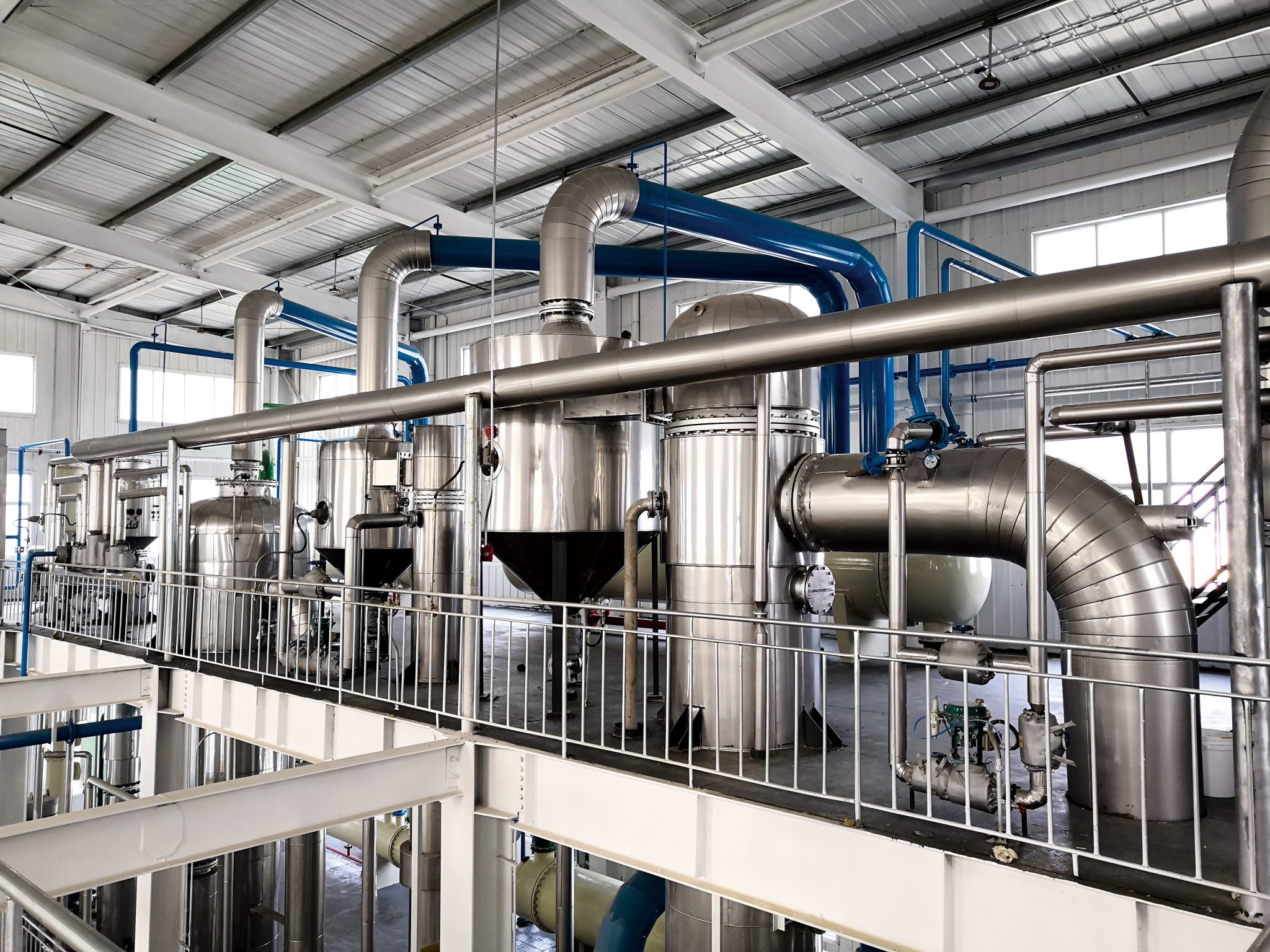
| Industrial Extraction Plant | 50+ kg/hour | Large-scale production | Maximum yield, efficiency | Requires technical expertise and investment |
This table helps beginners compare different options and select a machine suitable for their needs and budget.
Preparing Cottonseeds for Extraction
Proper preparation of cotton seeds is essential for maximizing oil yield. Begin by cleaning seeds thoroughly to remove dirt, debris, and stones. Drying and light roasting may improve oil flow and extraction efficiency, especially for mechanical presses. Pre-treatment ensures higher quality oil and reduces wear on the equipment.
Step-by-Step Cottonseed Oil Extraction Process
- Setup: Place your oil machine on a stable surface. Ensure all components are assembled correctly and safety measures are in place.
- Feeding Seeds: Gradually feed cleaned seeds into the press. Adjust pressure and temperature according to the machine type and seed variety.
- Collecting Oil: Use a clean container to collect oil. Filtering may be necessary to remove residual solids.
- Yield Monitoring: Track output to optimize settings. Research indicates that pre-roasted seeds can increase oil yield by 10–15% compared to raw seeds.
Following these steps will help beginners achieve a consistent extraction process and high-quality oil.
Maintenance and Troubleshooting
Maintaining your equipment ensures longevity and optimal performance. After each use, disassemble removable parts, clean thoroughly, and remove any seed residue. Regular lubrication and inspections prevent mechanical issues and maintain efficiency. Common problems include low oil yield, machine jamming, or noise, often resolved by adjusting feed rate, checking seed size, or cleaning the press.
Safety Precautions During Cottonseed Oil Extraction
Handling cottonseed oil extraction machines requires attention to safety:
- Always place the machine on a flat, stable surface.
- Never touch moving parts during operation.
- Handle hot oil carefully to avoid burns.
- Keep children and pets away from the workspace.
By following these precautions, beginners can safely operate their equipment and prevent accidents.
Uses and Benefits of Cottonseed Oil


Cottonseed oil has a variety of uses:
- Culinary: Ideal for cooking, baking, and salad dressings.
- Industrial: Used in cosmetics, soaps, and biofuel production.
- Nutritional: Rich in polyunsaturated fats and vitamin E.
Freshly extracted oil retains more nutrients than commercially processed oil, making home or small-scale production an attractive option for health-conscious individuals.
Conclusion
Cottonseed oil extraction offers a rewarding opportunity to produce fresh, nutrient-rich oil while learning about food processing techniques. Beginners should start with mechanical or small-scale presses, focus on proper seed preparation, and follow safety and maintenance guidelines. Experimenting with different seeds and methods can help you discover the process that works best for your needs, ensuring high-quality oil for culinary or commercial purposes.
By investing time in understanding extraction methods, equipment, and best practices, you can enjoy the full benefits of cottonseed oil production safely and efficiently.
FAQ
How does cottonseed oil extraction work?
Cottonseed oil extraction involves pressing or crushing cleaned seeds to separate oil from the solids. Mechanical pressing retains nutrients, while solvent extraction achieves higher yield but requires careful handling.
What types of machines are used for cottonseed oil extraction?
Machines include manual, semi-automatic, and automatic presses. Beginners often start with manual or small-scale mechanical presses, while commercial setups use automatic or industrial extraction plants.
Can I extract cottonseed oil at home safely?
Yes, using a small mechanical press and following safety precautions like handling hot oil carefully and keeping the workspace stable ensures safe home extraction.
How can I increase the yield of cottonseed oil extraction?
Pre-treating seeds through cleaning, drying, or light roasting, and using properly adjusted pressing equipment can improve oil yield by up to 10–15%, according to research data.
How do I maintain a cottonseed oil extraction machine?
Disassemble removable parts after each use, clean thoroughly, remove seed residue, and perform regular lubrication and inspection to prevent mechanical issues and extend the machine’s lifespan.
Need Help Choosing the Right Cottonseed Oil Extraction Machine?
If you’re unsure which cottonseed oil extraction machine is best for your home or business, our experts are here to guide you. Contact us today for a personalized consultation, and ensure you get the machine that meets your needs and produces high-quality oil efficiently. Don’t wait to start extracting fresh, nutrient-rich oil—get in touch now and take control of your oil production!