Oil Extraction from Soybean: What You Need to Know
Welcome to My Blog!
Before we dive into the content, I’d love for you to join me on my social media platforms where I share more insights, engage with the community, and post updates. Here’s how you can connect with me:
Facebook:https://www.facebook.com/sdchemsta
Youtube:https://www.youtube.com/channel/UCUAy0CNEiWpw-LxsYscRT1w
LinkedIn: https://www.linkedin.com/company/chemsta-group
Twitter: https://x.com/Chemsta_Group
Now, let’s get started on our journey together. I hope you find the content here insightful, engaging, and valuable.
Table of Contents
Introduction
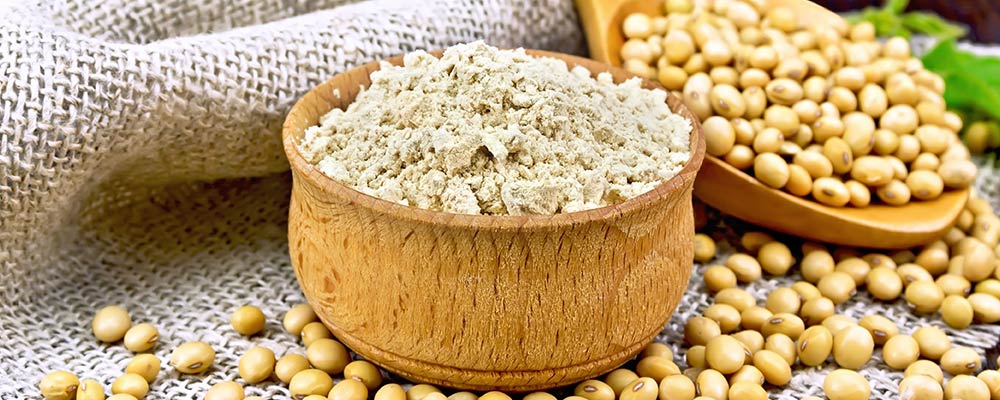
Soybean oil is one of the most widely consumed vegetable oils in the world and is integral to culinary and industrial applications. The extraction process of soybean oil is critical to meeting the growing demand for this versatile oil.
Understanding the methods, equipment, and considerations of soybean oil extraction is critical for producers, investors, and consumers alike.
Methods of Oil Extraction from Soybean
Several techniques are employed to extract oil from soybeans, each with its advantages and limitations.
Mechanical Pressing
Mechanical pressing involves physically squeezing the oil out of soybean flakes using equipment like screw presses. This method is straightforward and doesn’t require solvents, making it suitable for small-scale operations. However, it typically yields less oil compared to other methods, leaving about 6-8% residual oil in the meal.
Solvent Extraction
Solvent extraction is the most common method for large-scale soybean oil production. It uses solvents like hexane to dissolve the oil from soybean flakes. This technique offers a high oil recovery rate, with residual oil in the meal being less than 1%. However, the use of solvents raises environmental and health concerns, necessitating proper handling and disposal.
Supercritical CO₂ Extraction
This method utilizes carbon dioxide in its supercritical state to extract oil. It’s a cleaner alternative to solvent extraction, as it doesn’t leave harmful residues. However, the equipment required is expensive, making it less accessible for some producers.
Enzyme-Assisted Extraction
Enzyme-assisted extraction employs specific enzymes to break down cell walls, facilitating oil release. This method is environmentally friendly and can extract both oil and protein simultaneously. However, the cost of enzymes and the complexity of the process can be limiting factors.
Equipment Used in Soybean Oil Extraction

The choice of equipment depends on the extraction method and scale of production.
Screw Presses
Used in mechanical pressing, screw presses are suitable for small to medium-scale operations. They are relatively simple to operate and maintain.
Solvent Extractors
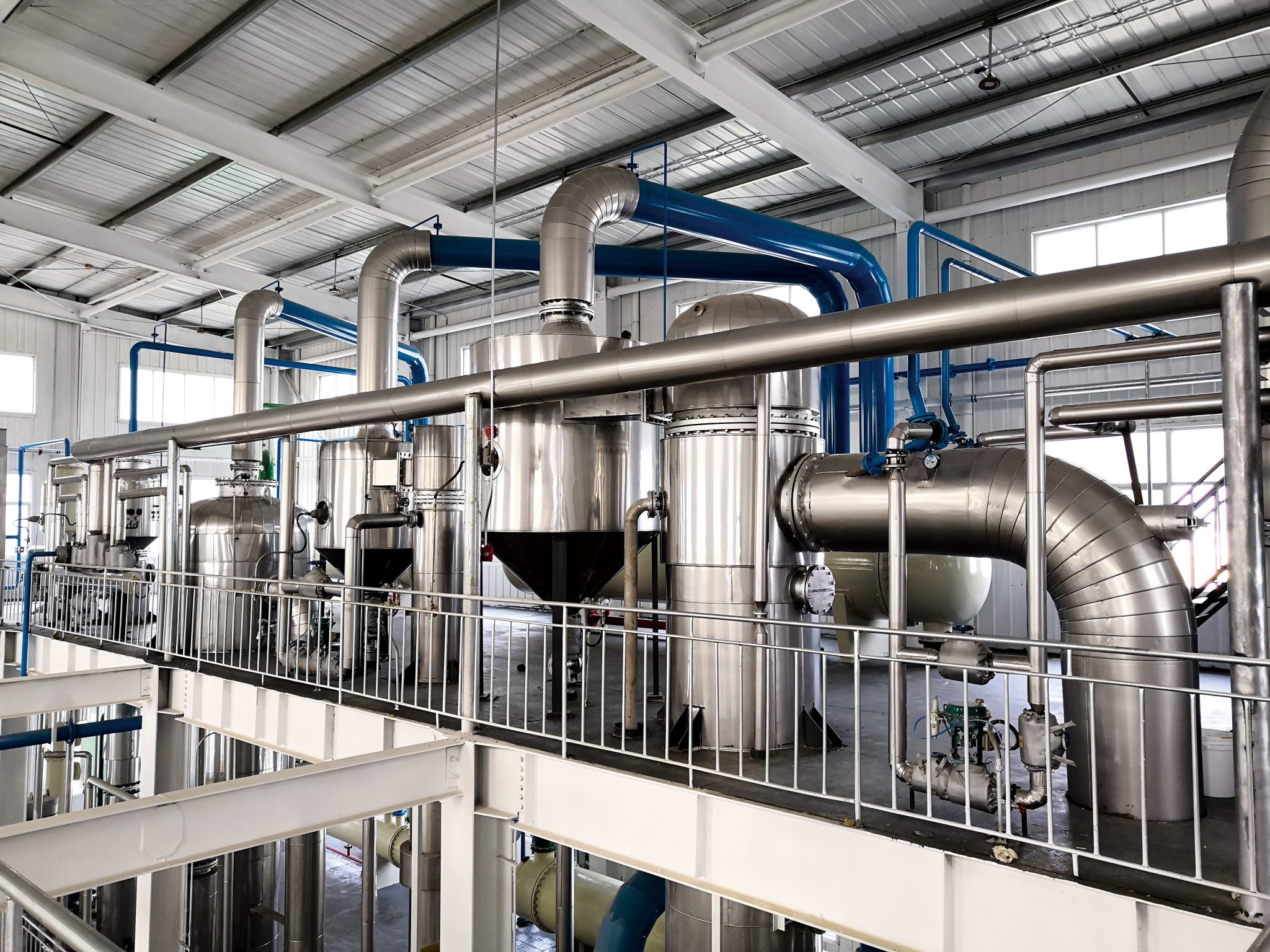
Solvent extractors, like rotocel or loop extractors, are designed for large-scale operations. They ensure efficient solvent contact with soybean flakes, maximizing oil recovery.
Supercritical CO₂ Extractors
These systems require specialized equipment to handle high pressures and temperatures. They are more common in niche markets due to their high cost.
Enzyme Reactors
Enzyme-assisted extraction necessitates reactors that can maintain optimal conditions for enzyme activity. These systems are more complex and require precise control.
Comparative Overview of Soybean Oil Extraction Methods

| Extraction Method | Oil Yield | Residual Oil in Meal | Environmental Impact | Operational Complexity |
|---|---|---|---|---|
| Mechanical Pressing | Moderate | 6-8% | Low | Low |
| Solvent Extraction | High | <1% | High | High |
| Supercritical CO₂ Extraction | High | <1% | Low | High |
| Enzyme-Assisted Extraction | Moderate | Varies | Low | High |
Conclusion
Choosing the right soybean oil extraction method depends on a variety of factors, including production scale, environmental considerations, and economic feasibility. Understanding these methods helps stakeholders make informed decisions that align with their operational goals and commitment to sustainability.
FAQ
What is the most common method for extracting soybean oil?
Solvent extraction, particularly using hexane, is the most widely used method due to its high oil recovery rate.
Are there environmentally friendly methods for soybean oil extraction?
Yes, methods like supercritical CO₂ extraction and enzyme-assisted extraction are considered more environmentally friendly alternatives.
What factors influence the choice of extraction method?
Factors include production scale, desired oil yield, environmental impact, equipment costs, and operational complexity.
Can mechanical pressing be used for large-scale production?
While possible, mechanical pressing is generally less efficient for large-scale operations compared to solvent extraction methods.
What is the residual oil content in soybean meal after extraction?
Residual oil content varies by method: mechanical pressing leaves about 6-8%, while solvent extraction can reduce it to less than 1%.