Soybean Protein Concentrate Plant: Process, Equipment, and Turnkey Solutions
Table of Contents
What Is a Soybean Protein Concentrate Plant?
A soybean protein concentrate (SPC) plant is a facility designed to extract high-protein content from soybean raw materials, typically soybean white flake or low-temperature soybean meal, to produce concentrated protein suitable for food, feed, and industrial applications. Unlike standard soybean processing plants focused solely on oil production, SPC plants aim to maximize protein functionality, solubility, and purity.

Why Invest in a Soybean Protein Concentrate Plant?
SPC has growing demand in the global market due to its use in:
- Plant-based meat alternatives
- Nutritional supplements and fortified foods
- Animal and aquafeed
- Functional food ingredients
Investing in a dedicated SPC production line allows processors to capture higher margins compared to selling standard soybean meal or crude oil alone.
What Raw Materials Are Used in SPC Production?
The most common raw materials include:
- Soybean white flake – high protein, low oil
- Low-temperature soybean meal – retains protein functionality
- Defatted soybean cake – sometimes used for lower-grade SPC
Selection depends on desired protein content, downstream application, and plant capacity.
What Is the Typical Process Flow in an SPC Plant?
The SPC production process typically consists of:
- Raw material preparation – cleaning, sizing, conditioning
- Protein extraction – aqueous or alcohol extraction methods
- Filtration and separation – removes residual fiber and impurities
- Concentration – reduces moisture to achieve desired protein content
- Drying – produces SPC powder
- Packing and storage – controlled environment to preserve quality
Example Technical Parameters
| Parameter | Typical Range | Purpose |
|---|---|---|
| Protein content | 65–70% | Target SPC specification |
| Moisture content | 6–8% | Storage stability |
| Residual oil | <1% | Maintain protein functionality |
| Particle size | 200–300 μm | Ensure uniform powder |
| Solubility index | High | Functional quality indicator |
How Does an SPC Production Line Differ From a Standard Soybean Processing Line?
- Focus on protein: Maximizes solubility and functional properties instead of just oil recovery
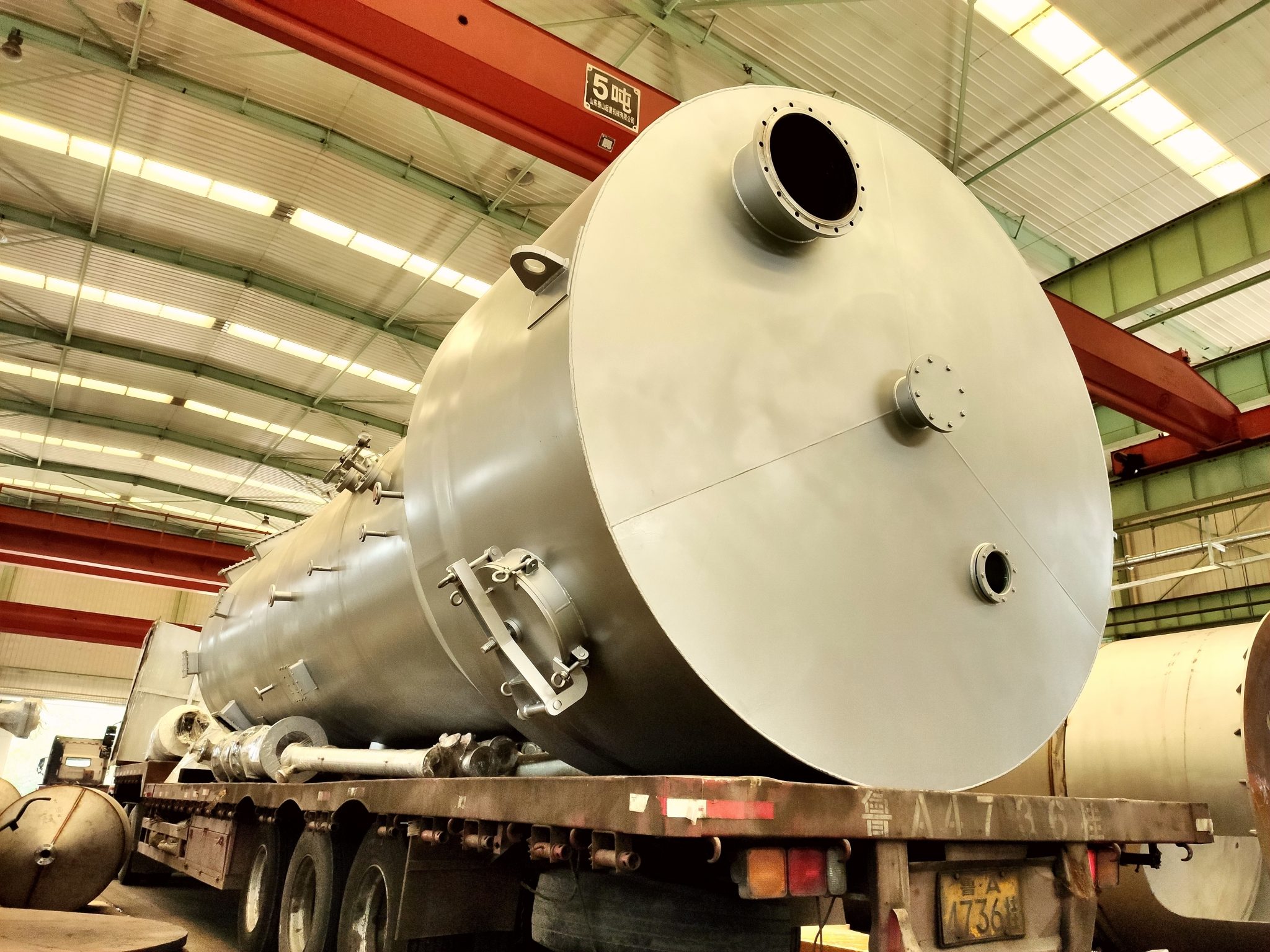
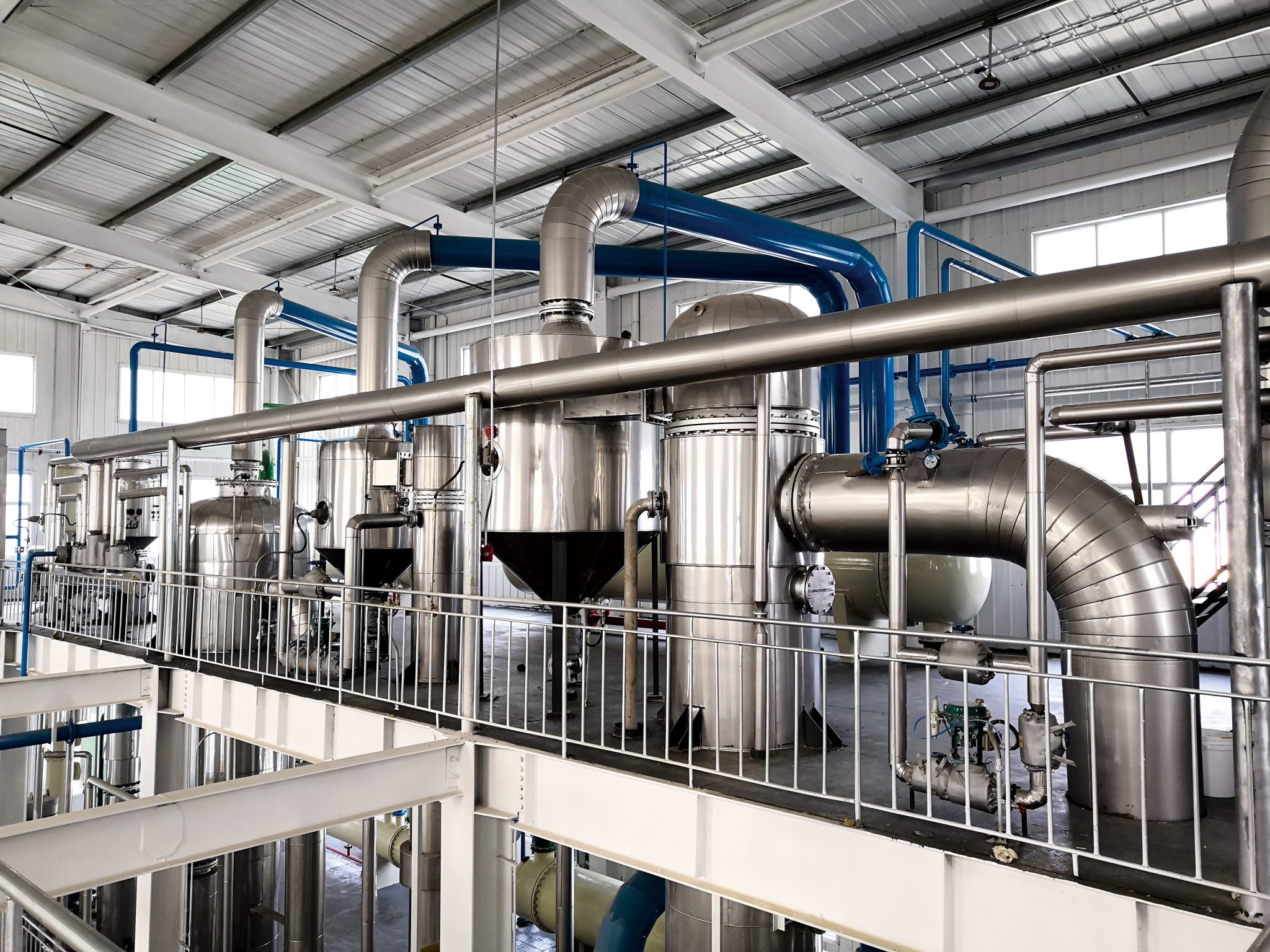
- Specialized equipment: Includes extraction tanks, filtration units, and concentration systems
- Controlled processing conditions: Temperature and pH carefully managed
- Turnkey approach recommended: Ensures consistent protein quality and efficient operation
What Equipment Is Essential in an SPC Plant?
Core equipment includes:
- Extraction tanks – for aqueous or alcohol extraction
- Filtration and centrifuge units – separate fiber and protein solution
- Evaporators or concentrators – achieve target protein content
- Dryers – spray or drum dryers to produce SPC powder
- Packing machines – controlled moisture and contamination prevention
Can an SPC Plant Be Delivered as a Turnkey Project?
Yes, most modern SPC plants are delivered as turnkey solutions to ensure:
- Integrated process design
- Equipment compatibility
- Simplified commissioning and training
- Stable, repeatable protein quality
Turnkey projects are especially recommended for processors entering the high-value protein market for the first time.
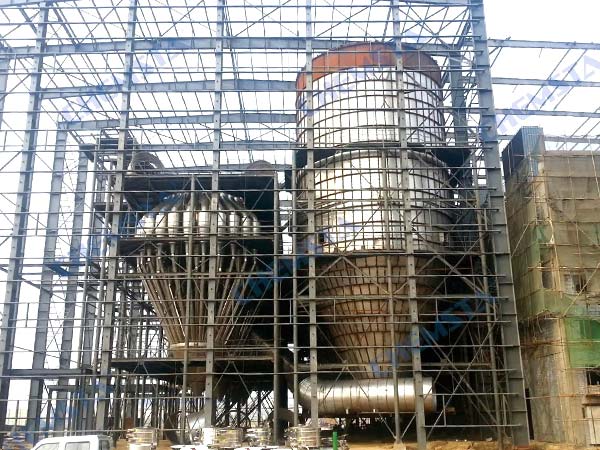
This is a soybean protein isolate plant constructed by Chemsta for a client, which utilizes alkali solubilization, acid precipitation, centrifugal separation, and spray drying technologies to extract soy protein from soybean white flakes, and ultimately obtains soy protein with a protein content of more than 90%. Chemsta, a global equipment and technology provider for soybean protein, has built several soybean white flakes and soy protein plants for customers worldwide, establishing itself as a well-known company in the global soy protein field. web: www.chemstagroup.com email: [email protected]
How Does an SPC Plant Integrate With Other Soybean Processing Units?
An SPC plant is usually positioned downstream of a low-temperature soybean extraction line or soybean white flake production plant. The typical integration ensures:
- Optimized raw material flow
- Reduced protein denaturation
- Enhanced overall plant profitability
What Are the Typical Capacities for SPC Production Lines?
Commercial SPC plants vary based on market demand:
| Plant Capacity | Protein Output | Notes |
|---|---|---|
| Small | 1–5 tons/day | Pilot or niche production |
| Medium | 5–20 tons/day | Suitable for regional markets |
| Large | 20–50+ tons/day | Industrial-scale supply |
Capacity selection affects equipment size, utility requirements, and investment cost.

Conclusion
A soybean protein concentrate plant is a strategic asset for processors aiming to produce high-value protein products. By integrating extraction, concentration, and drying in a controlled system, SPC plants enable consistent protein functionality, higher margins, and diversified product lines. Turnkey solutions minimize technical risks and optimize production efficiency.
FAQ
1. What raw material is best for SPC production?
Soybean white flake or low-temperature soybean meal ensures high protein content and functionality.
2. Can SPC plants be retrofitted from existing soybean processing lines?
Partial upgrades are possible, but turnkey designs guarantee consistent quality.
3. What are the primary applications of SPC?
Plant-based meat, nutritional supplements, fortified foods, and feed.
4. How much protein does typical SPC contain?
Most commercial SPC products contain 65–70% protein.
5. Is turnkey delivery recommended for SPC plants?
Yes, it ensures integrated design, process stability, and consistent product quality.
Call to Action
Need Help Choosing the Right Soybean Protein Concentrate Plant?
If you want a reliable SPC production line with consistent protein quality, our experts can design and deliver a turnkey solution tailored to your needs. Contact us today for a consultation and start producing high-value soybean protein efficiently.