Low-Temperature Soybean Extraction Line: How It Works and Why It Matters
Table of Contents
What Is a Low-Temperature Soybean Extraction Line?
A low-temperature soybean extraction line is a specialized system designed to extract oil from soybeans while preserving the protein quality of the residual meal. Unlike conventional high-temperature extraction, this method maintains the solubility and functional properties of soybean proteins, making it ideal for protein-grade soybean meal and downstream applications such as soybean protein concentrate (SPC) production.
Modern soybean processing plants increasingly adopt low-temperature extraction lines to maximize both oil yield and protein quality, especially in facilities aiming to produce high-value protein products alongside edible oil.
Why Choose Low-Temperature Extraction Over Conventional Methods?
Conventional solvent extraction focuses on oil recovery efficiency but exposes soy proteins to higher temperatures, leading to:
- Reduced protein solubility
- Darker color and potential off-flavors
- Lower suitability for protein concentrate production
In contrast, a low-temperature extraction line maintains temperatures below critical thresholds, preserving protein integrity while still achieving high oil recovery. This approach is critical for plants targeting high-quality soybean meal for food, feed, or industrial protein applications.
What Are the Core Components of a Low-Temperature Soybean Extraction Line?
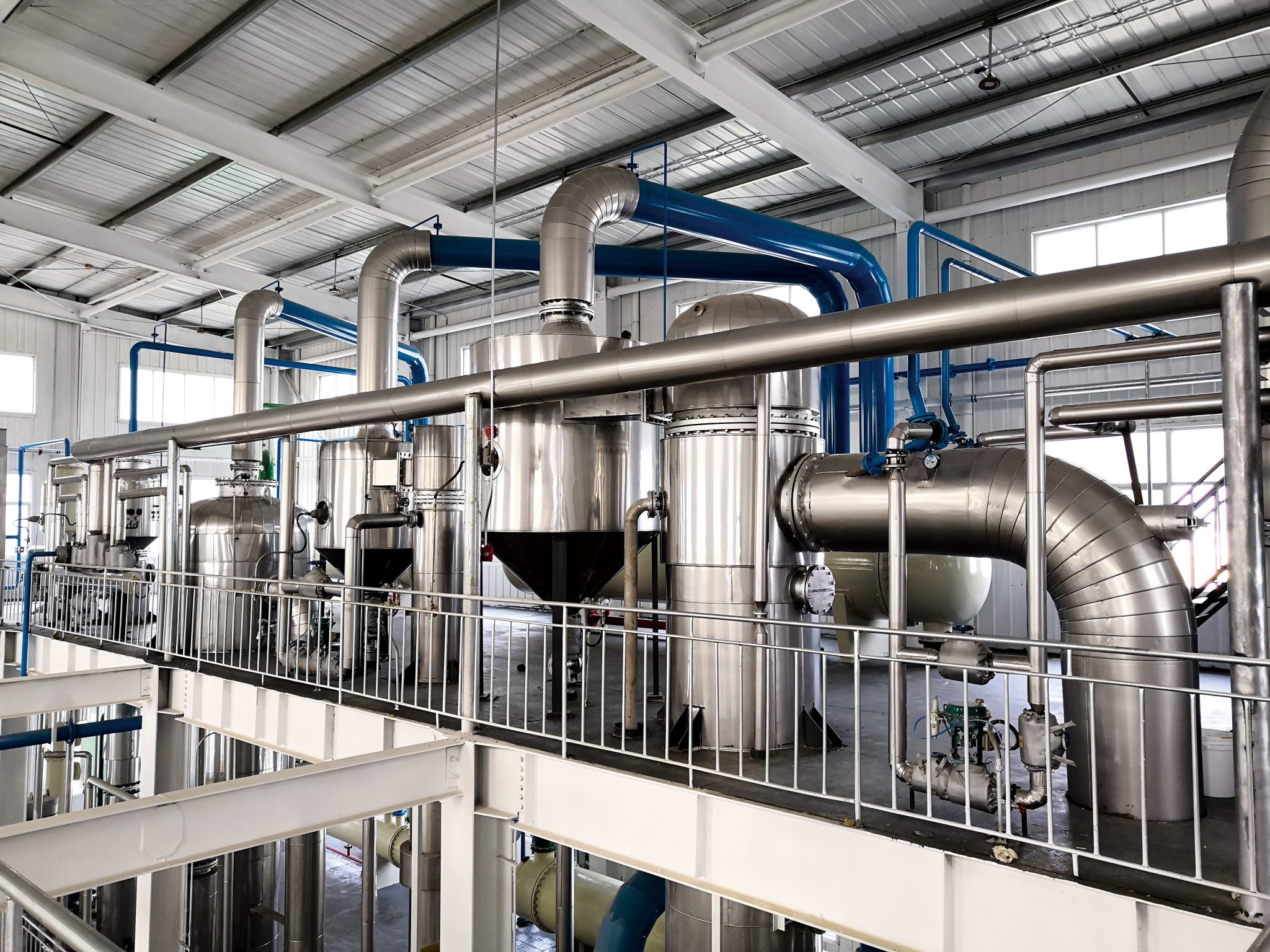
A standard low-temperature soybean extraction line typically includes:
- Soybean pre-cleaning and dehulling system – removes impurities and hulls
- Conditioning and flaking equipment – optimizes flake thickness for extraction
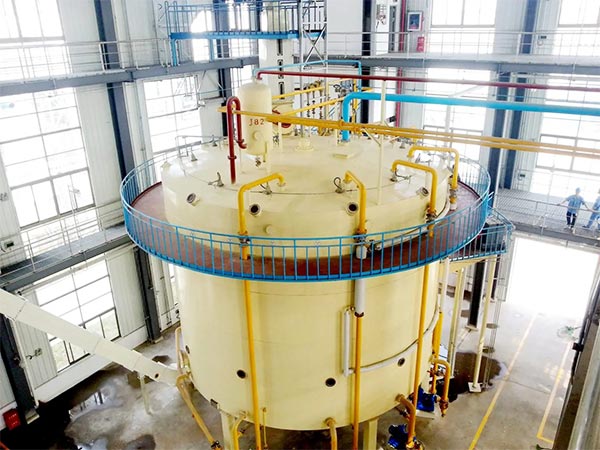
- Low-temperature solvent extractor – designed for controlled residence time and temperature
- Desolventizer-toaster (DTDC or DT system) – gently removes solvent while preserving protein quality
- Solvent recovery system – recycles solvent efficiently and safely
- Automation and monitoring system – ensures process control and safety
The integration of these components ensures consistent operation and high-quality output.
How Does Temperature Affect Protein Quality in Soybean Extraction?
Temperature control is the most critical factor in a low-temperature extraction line. Excessive heat can denature proteins, reducing solubility and limiting downstream applications.
The table below illustrates typical operating ranges used in commercial low-temperature soybean extraction lines:
| Parameter | Typical Range | Purpose |
|---|---|---|
| Flake thickness | 0.25–0.35 mm | Ensure uniform solvent penetration |
| Extraction temperature | ≤ 55 °C | Preserve protein solubility |
| Desolventizing temperature | ≤ 60 °C | Minimize protein denaturation |
| Residual oil in meal | < 1.0% | Suitable for SPC production |
| Protein solubility index | High | Key quality indicator |
Can Existing Extraction Plants Be Upgraded to Low-Temperature Operation?
In some cases, conventional extraction plants can be modified, but achieving consistent protein-grade output usually requires purpose-built equipment. Components such as the extractor, desolventizer, and control systems need to be specifically designed for low-temperature operation, making turnkey solutions the preferred choice for investors and processors.
How Does a Low-Temperature Line Fit Into a Turnkey Soybean Processing Plant?
A low-temperature extraction line is typically integrated into a turnkey soybean processing plant, where upstream cleaning and flaking and downstream refining and protein extraction are coordinated.
Benefits of turnkey integration include:
- Optimized equipment matching
- Unified process control
- Reduced commissioning time
- Guaranteed output quality
This approach is especially valuable for plants focused on high-quality soybean meal and protein products.
What Are the Typical Capacities for Low-Temperature Soybean Extraction Lines?
Commercial low-temperature extraction lines can range from medium (10–30 tons/day) to large industrial scale (50–200 tons/day). Capacity selection depends on:
- Raw soybean supply
- Target downstream products
- Investment and operating cost considerations
- Expansion plans
Choosing the right capacity is essential to balance throughput, protein quality, and overall plant economics.
How Does Low-Temperature Extraction Support Protein-Grade Soybean Meal Production?
Low-temperature extraction ensures that the residual meal has:
- High protein solubility
- Light color and neutral flavor
- Consistency suitable for SPC or feed-grade applications
By maintaining these properties, processors can produce protein-grade soybean meal that meets both food and industrial protein standards.
Conclusion
A low-temperature soybean extraction line is a strategic investment for any modern soybean processing plant. It allows processors to achieve high oil yield while preserving protein quality, enabling high-value applications such as SPC, TVP, and specialty feed. For investors seeking reliable, scalable, and efficient operations, turnkey low-temperature extraction lines provide both technical assurance and economic value.
FAQ
What is the main difference between low-temperature and conventional soybean extraction?
Low-temperature extraction preserves protein quality by keeping process temperatures below critical thresholds.
Can existing plants be converted to low-temperature extraction?
Partial upgrades are possible, but consistent protein-grade output usually requires purpose-built equipment.
What is the typical residual oil content in low-temperature extracted meal?
Generally less than 1%, suitable for SPC production.
Why are turnkey solutions preferred for low-temperature extraction lines?
They ensure optimized equipment matching, process control, and consistent high-quality output.
Need Help Choosing the Right Low-Temperature Soybean Extraction Line?
If you’re planning to build or upgrade a soybean processing plant and want consistent, high-quality protein-grade soybean meal, our experts can design a customized turnkey extraction line tailored to your needs. Contact us today for a technical consultation and ensure your plant operates efficiently and profitably.