Edible Oil Refining Plant: Comprehensive Guide to Process, Equipment, and Turnkey Solutions
Table of Contents
What Is an Edible Oil Refining Plant?
An edible oil refining plant is a facility that converts crude vegetable oils, such as soybean, sunflower, rapeseed, palm, or corn oil, into high-quality, market-ready edible oils. These plants are designed not only to remove impurities but also to ensure that the final product meets food safety standards, has optimal stability, and maintains natural flavor and nutritional value.
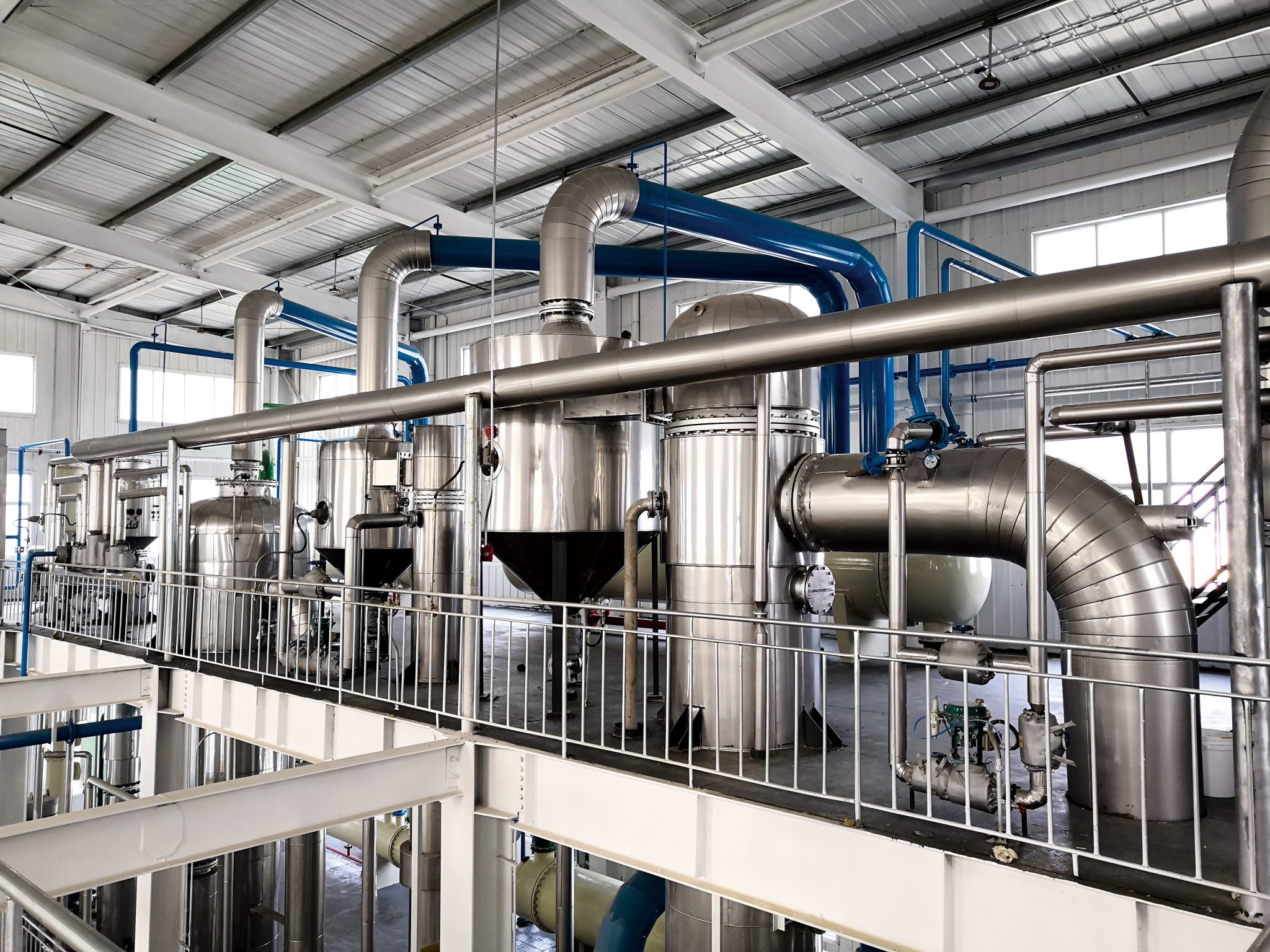
Crude oil extraction plants focus on maximizing oil yield, whereas refining plants focus on quality, clarity, safety, and functionality. Modern refining plants are typically delivered as turnkey solutions, integrating degumming, neutralization, bleaching, deodorization, and optional winterization or fractionation. This ensures processors can produce consistent, high-quality oils for local or international markets.
Investing in a refining plant also allows producers to create specialty oils, including low-FFA oils, cold-pressed oils, and winterized oils, which command higher prices in consumer markets.
Why Refining Is Critical
Removes free fatty acids, phospholipids, pigments, odors, and trace metals
Produces stable oils with extended shelf life
Enables specialty oil production for niche markets
Preserves oil quality for further processing into margarine, mayonnaise, or protein products
Comparison With Crude Oil Extraction
| Feature | Crude Oil Extraction | Edible Oil Refining |
|---|---|---|
| Purpose | Maximize yield | Ensure quality and safety |
| Output | Crude oil | Refined, market-ready oil |
| Protein Preservation | Low priority | Preserved in co-products |
| Market Value | Moderate | Higher, specialty oils possible |
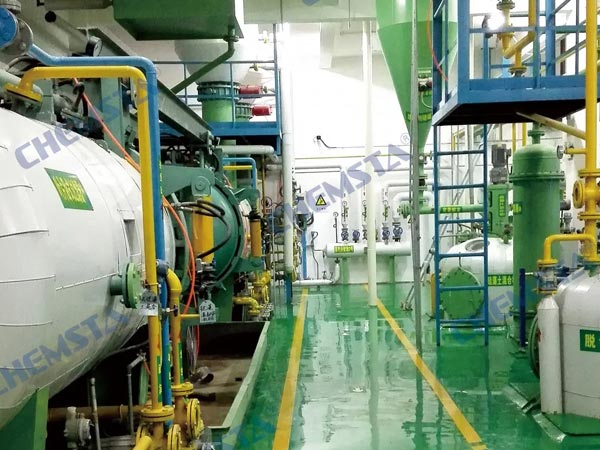
Core Processes in an Edible Oil Refining Plant
Degumming
Degumming removes phospholipids, mucilaginous substances, and gums that can interfere with neutralization and reduce oil stability. Methods include:
Water degumming: Hydrates phospholipids for easier separation
Acid degumming: Uses phosphoric or citric acid for more efficient removal
Enzymatic degumming: Employs enzymes to remove phospholipids with minimal oil loss
Proper degumming prevents foaming, reduces color darkening, and improves downstream refining efficiency.
Neutralization
Neutralization eliminates free fatty acids, which can cause rancidity and shorten shelf life. Methods include:
Chemical neutralization: Uses caustic soda to convert FFA into soap, which is separated
Physical refining: Steam under vacuum removes FFA without chemical agents
Key factors include temperature control, pH monitoring, and minimal oil loss.
Bleaching
Bleaching improves oil color, clarity, and stability by removing pigments and trace metals. Techniques include:
Adsorbents: Bleaching earth, activated carbon, or bentonite
Process control: Temperature and vacuum management to prevent thermal degradation
Continuous or batch operation: Depending on plant scale
Bleaching ensures the oil is visually appealing and stable during storage.
Deodorization
Deodorization removes volatile compounds, off-odors, and flavors via high-temperature steam under vacuum. Typical conditions:
Temperature: 200–240°C
Vacuum: High
Steam injection: Removes aldehydes, ketones, and other volatiles
Deodorization is critical for edible oil to meet consumer taste and safety expectations.
Winterization / Fractionation (Optional)
Winterization removes waxes to prevent cloudiness at low temperatures. Fractionation produces specialty oils, for example high-oleic sunflower oil or palm stearin. These steps are optional and depend on the type of oil and end-use market requirements.

Typical Process Parameters
| Process Stage | Temperature | Vacuum/Pressure | Purpose |
|---|---|---|---|
| Degumming | 60–80 °C | Atmospheric | Remove phospholipids |
| Neutralization | 70–90 °C | Atmospheric | Reduce free fatty acids |
| Bleaching | 90–110 °C | Slight vacuum | Remove pigments and trace metals |
| Deodorization | 200–240 °C | High vacuum | Remove odor and volatiles |
| Winterization | 0–10 °C | Atmospheric | Remove waxes for clarity |
Maintaining these parameters ensures consistent oil quality, color, flavor, and stability, even at large industrial scales.
Essential Equipment for Refining Plants
Core Units
Degumming reactors – batch or continuous
Neutralization tanks – chemical or physical
Bleaching units – filter presses, vacuum bleachers
Deodorizer – high-temperature vacuum steam system
Winterization/fractionation units – optional for specialty oils
Supporting Units
Filtration and drying systems for stability and clarity
Automated control systems for temperature, vacuum, and flow monitoring
Advantages of Automation
Continuous monitoring and energy efficiency
Consistent refined oil quality
Reduced human error and operational risks
Integrated data for process optimization and reporting
Differences Between Refining and Extraction Plants
Crude extraction focuses on maximizing oil yield. Refining focuses on quality, safety, color, taste, and functionality. Turnkey refining plants provide integrated, optimized workflows, unlike standalone units.
Upgrading Existing Oil Mills
Feasibility
Existing oil mills can sometimes be upgraded to perform partial refining, but consistent high-grade edible oil production typically requires purpose-built turnkey plants.
Benefits of Turnkey Solutions
Optimized equipment matching and process integration
Guaranteed oil quality and consistency
Reduced commissioning time
Energy and utility optimization
Reduced operational and technical risks

Plant Capacities
| Plant Capacity | Oil Output | Notes |
|---|---|---|
| Small | 5–10 tons/day | Pilot or boutique oils |
| Medium | 20–50 tons/day | Regional markets |
| Large | 100–200+ tons/day | Industrial-scale production |
Capacity Selection Tips
Align plant capacity with market demand
Evaluate utility requirements (steam, electricity, water)
Consider integration with protein extraction or specialty oil lines
Conclusion
An edible oil refining plant is essential for producing high-quality, safe, and market-ready vegetable oils. Turnkey plants provide integrated operation, optimized yield, and regulatory compliance. Investing in a turnkey refining solution ensures stable oil quality, operational efficiency, and long-term profitability, enabling processors to access both local and international markets confidently.
FAQ
- What types of crude oil can be refined?
Soybean, sunflower, rapeseed, palm, corn, and other vegetable oils. - Can existing oil mills be upgraded to full refining?
Yes, but turnkey solutions ensure consistent product quality. - What are the main refining steps?
Degumming, neutralization, bleaching, deodorization, and optional winterization/fractionation. - How is oil quality ensured during refining?
By carefully controlling temperature, vacuum, pH, and process duration in each stage. - Is turnkey delivery recommended for refining plants?
Yes, turnkey refining plants guarantee integrated operation and high-quality output.
Call to Action
Need Help Choosing the Right Edible Oil Refining Plant?
Our experts provide custom turnkey solutions for high-quality edible oil production. Contact us today for a consultation and ensure your plant operates efficiently, safely, and profitably.