Edible Oil Plant Design for High Yield and Low Cost
Core Summary
- How plant design directly impacts oil yield and long-term operating cost
- Why process matching is more important than individual equipment selection
- How extraction technology determines economic performance at scale
- What design decisions reduce risk and improve return on investment
Table of Contents
Introduction
Designing an edible oil plant is not simply a matter of selecting machines and arranging them in sequence. Every design decision—from raw material preparation to extraction and refining—has a direct impact on oil yield, energy consumption, labor cost, and long-term plant stability.
For investors and plant owners, the most successful projects are those designed around clear production objectives and realistic operating conditions. This article explains how to design an edible oil plant that maximizes oil yield while keeping operating costs under control, using proven engineering principles rather than theoretical assumptions.
How Do Production Objectives Shape Edible Oil Plant Design?
The first step in edible oil plant design is defining clear production objectives. Capacity, raw material type, oil quality requirements, and target markets all influence system configuration.
Plants designed without a clear production focus often suffer from mismatched equipment, unstable operation, or excessive operating costs. An engineering-driven design aligns every processing section with the intended output, ensuring that capacity utilization and resource efficiency remain consistent over time.

Why Is Raw Material Selection Critical to System Engineering?
Raw material characteristics determine nearly every downstream design parameter. Oil content, moisture level, impurity rate, and seed hardness all affect preparation, pretreatment, and extraction performance.
A well-designed plant accounts for raw material variability by incorporating flexible preparation systems and adjustable process parameters. This approach allows stable operation even when seed quality fluctuates due to seasonal or sourcing changes.
How Does Pretreatment Design Influence Oil Yield?
Pretreatment is one of the most underestimated sections in edible oil plant design. Crushing, flaking, and cooking parameters directly affect oil cell rupture and material permeability.
When pretreatment is properly engineered, extraction efficiency increases and residual oil losses decrease. Poorly designed pretreatment systems, by contrast, limit the performance of even the most advanced extraction equipment.
Which Extraction Technology Maximizes Yield at Industrial Scale?
At industrial capacity, extraction technology is the single largest determinant of oil yield and operating cost. Mechanical pressing alone is typically limited by residual oil levels and energy consumption.
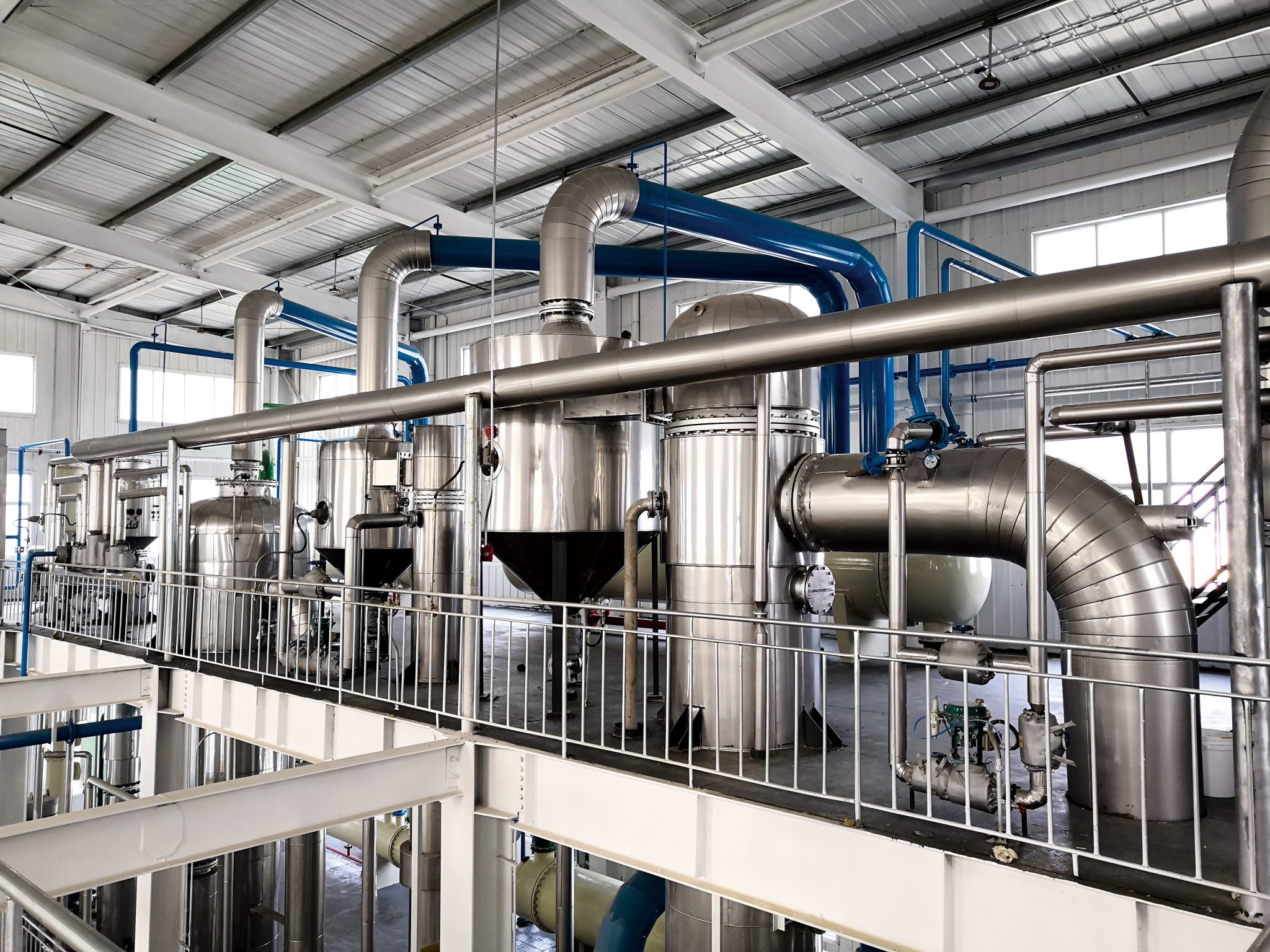
Continuous solvent extraction is widely adopted in modern edible oil plants because it enables lower residual oil content, stable continuous operation, and efficient solvent recovery. From an engineering perspective, its ability to process pre-pressed seed cakes, soybean flakes, and high oil-content seeds makes it suitable for large-scale and multi-seed operations.
How Does Continuous Solvent Extraction Reduce Operating Cost?
Operating cost is influenced by labor, energy, raw material loss, and maintenance. Continuous solvent extraction systems reduce labor demand through automation and minimize oil loss through higher extraction efficiency.
Although the initial investment is higher, solvent extraction systems typically achieve lower cost per ton of oil over long operating cycles. This makes them particularly suitable for projects targeting long-term profitability rather than short-term capital savings.
Why Is System Integration More Important Than Individual Equipment?
An edible oil plant functions as a single integrated system. Even high-quality equipment will underperform if interfaces between preparation, extraction, and refining are poorly engineered.
Turnkey engineering ensures that material flow, heat balance, and control logic are aligned across the entire plant. Proper integration reduces bottlenecks, stabilizes operation, and simplifies maintenance planning.
How Do Automation and Control Systems Improve Cost Efficiency?
Automation is a critical component of low-cost plant operation. Centralized control systems monitor key process parameters in real time, enabling quick adjustments and reducing dependence on operator experience.
Over time, automation contributes to lower labor costs, reduced product variability, and improved safety performance. These benefits compound across the plant’s lifecycle.
How Can Energy Consumption Be Optimized in Plant Design?
Energy efficiency must be considered at the design stage. Heat recovery, optimized steam usage, and efficient solvent evaporation systems all play a role in reducing energy cost.
Plants designed with energy integration strategies consistently outperform those that treat utilities as auxiliary systems rather than core engineering elements.
How Does Plant Design Affect Long-Term Maintenance Cost?
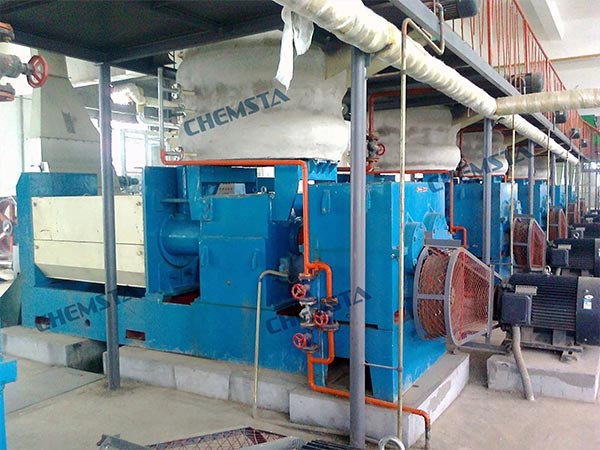
Maintenance cost is directly linked to equipment selection, layout accessibility, and operating stability. Systems designed with excessive mechanical stress or limited access lead to frequent downtime and higher maintenance expense.
Engineering-focused plant design emphasizes durability, ease of inspection, and predictable wear patterns, resulting in more reliable long-term operation.
Conclusion
Designing an edible oil plant for maximum yield and low operating cost requires a system-level engineering approach. By aligning production objectives, raw material characteristics, extraction technology, and automation strategy, plants can achieve stable operation and strong economic performance.
Projects that prioritize integrated design and long-term efficiency consistently outperform those focused solely on minimizing initial investment.
FAQ
What is the most important factor in edible oil plant design?
Clear production objectives aligned with system engineering.
Which extraction method offers the best yield at scale?
Continuous solvent extraction is preferred for industrial-scale plants.
Can operating costs be reduced without lowering capacity?
Yes, through automation, energy optimization, and yield improvement.
Is turnkey engineering necessary for all projects?
It is especially valuable for medium to large-scale plants.
How early should automation be considered in design?
Automation should be integrated from the initial design stage.