Boost Profits: Top Soybean Oil Extraction Machines
Table of Contents
Introduction
Welcome to the definitive guide on mastering soybean oil production. If you’re in the agricultural processing or food production industry, you understand that efficiency and quality are paramount. The heart of any successful operation is the soybean oil extraction machine. But what separates a good machine from a great one? How can you ensure you’re maximizing your yield, preserving protein quality, and achieving a rapid return on investment?
This article dives deep into the world of soybean oil extraction technology. Drawing on nearly 50 years of hands-on industry experience from CHEMSTA, we’ll explore the critical processes, the technology that drives them, and what you should look for in a turnkey project partner. Whether you’re planning a new facility or upgrading an existing one, this guide will provide the insightful analysis and expert information you need to make an informed decision.
Why Your Choice of Soybean Oil Extraction Machine Matters
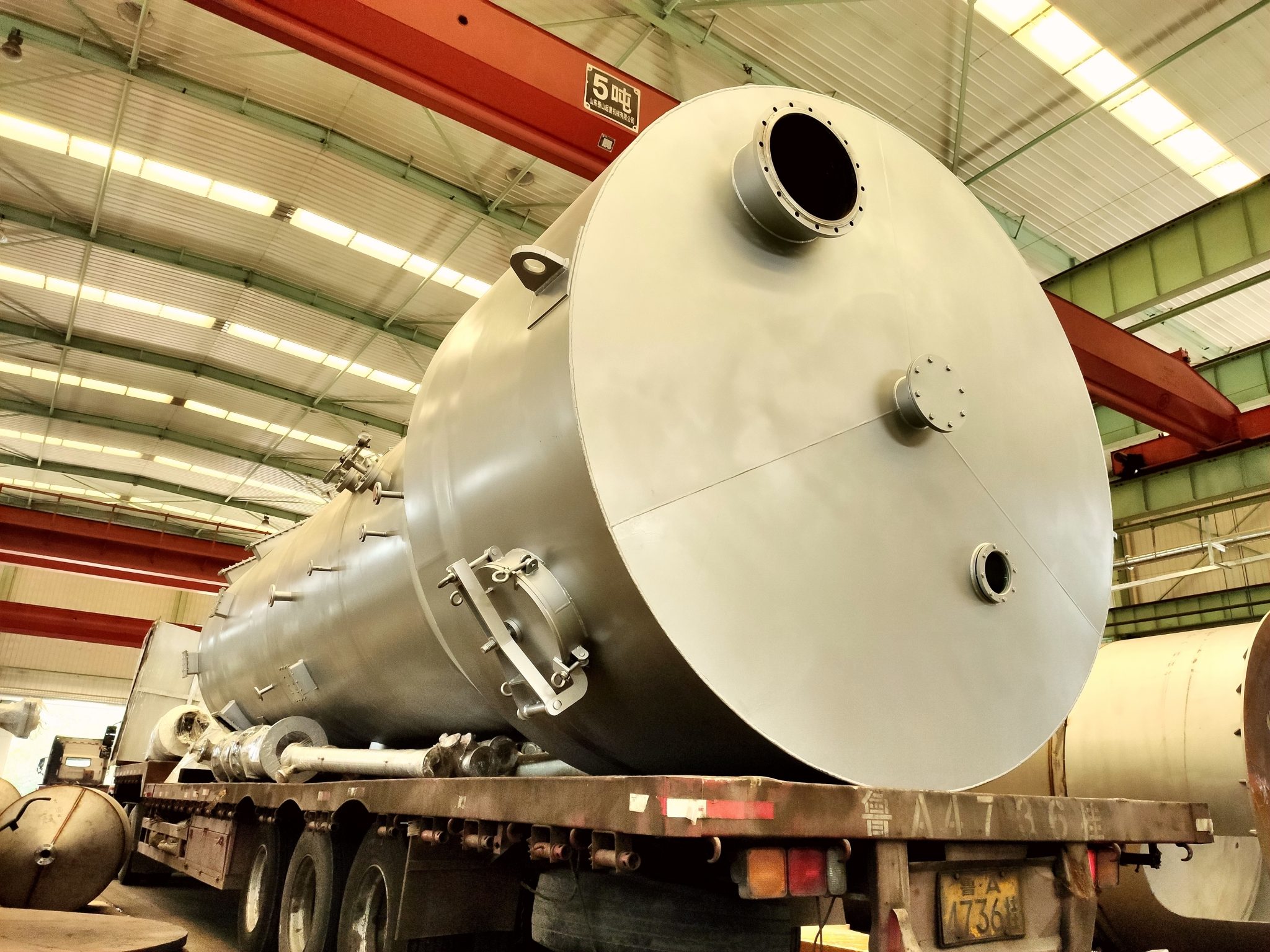
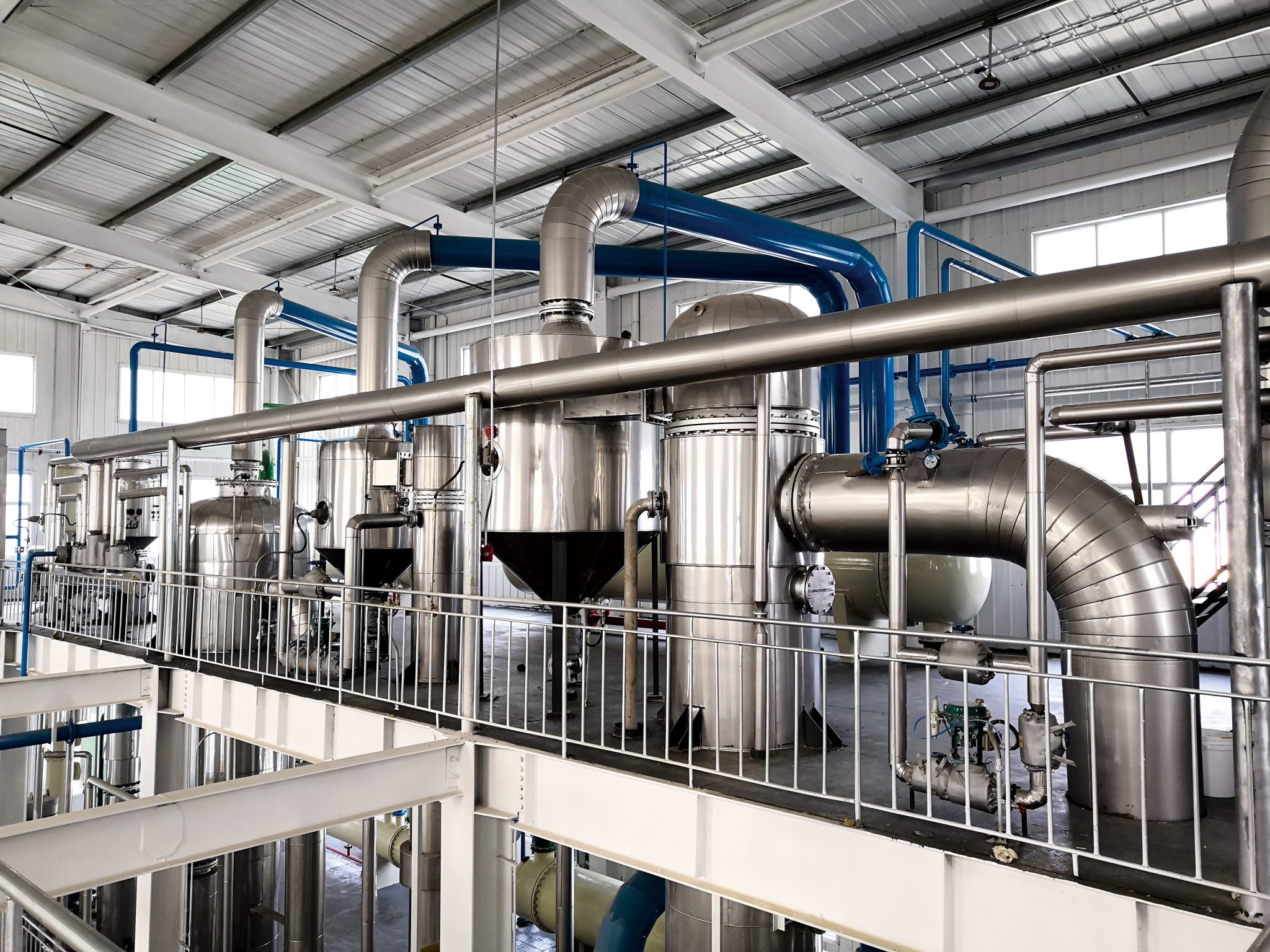
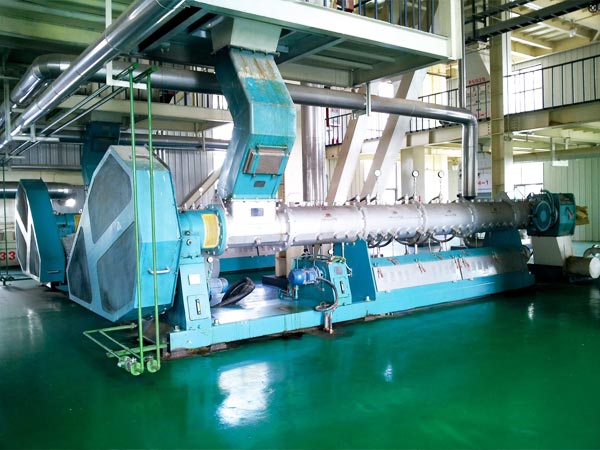
Choosing the right equipment isn’t just a purchase; it’s a strategic investment in your business’s future. A modern soybean oil extraction machine is part of a complete system designed for peak performance. The process is far more sophisticated than simple pressing and involves several key stages, each requiring specialized machinery.
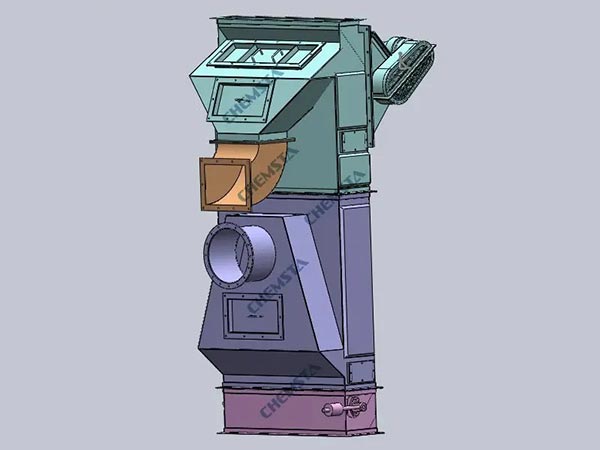
1. Pre-treatment and Preparation: This is the foundational step. According to CHEMSTA’s process design, effective preparation ensures the soybeans are perfectly conditioned for extraction. Key equipment includes:
◦ Aspirator: Cleans the seeds by removing hulls and foreign materials.
◦ Vertical Seed Conditioner / Softening Cooker: Heats and dries the seeds to precise temperature and moisture levels, which is vital for the next steps.
◦ Crushing Machine & Flaker: Breaks down the conditioned seeds and flattens them into thin flakes, increasing the surface area for efficient solvent contact.
2. Solvent Extraction: This is where the magic happens for large-scale operations. Instead of just pressing, a solvent is used to “wash” the oil from the soybean flakes.
◦ Drag Chain Extractor: This is a core piece of patented CHEMSTA technology, engineered for superior performance in both oil and protein projects. It ensures thorough and efficient oil removal from the flakes.
3. Desolventizing & Meal Treatment: After extraction, you have two valuable products: crude oil and solvent-laden meal.
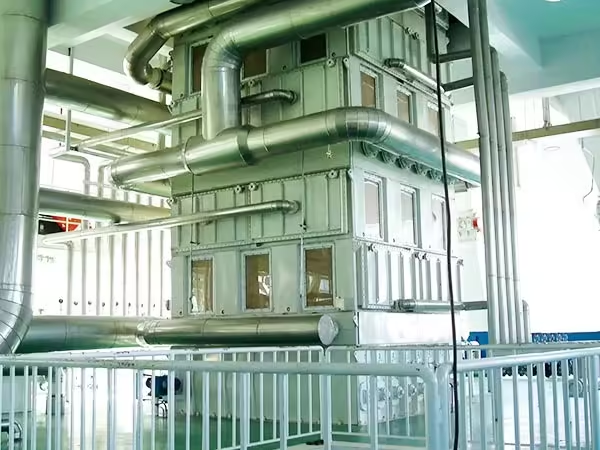
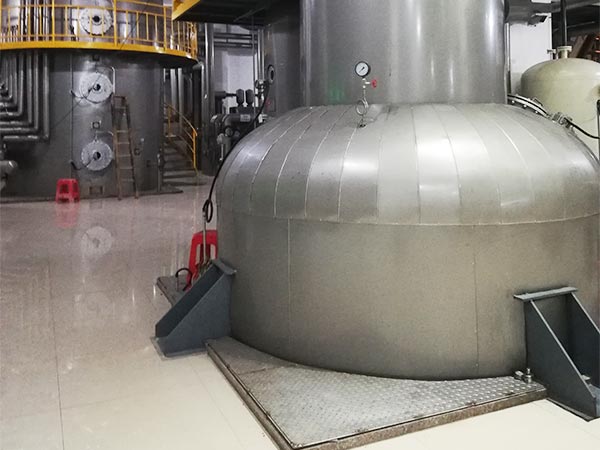
◦ D.T.D.C. (Desolventizer-Toaster-Dryer-Cooler): This multi-function machine safely removes the solvent from the soybean meal, toasts it to improve nutritional value for animal feed, and then dries and cools it for storage.
◦ White Flake Desolventizer: For producing high-quality, low-temperature soybean meal (white flakes) used in food-grade products like soy protein concentrate (SPC) and isolate (SPI), a specialized desolventizer is used to preserve the protein’s integrity.
4. Oil Refining: The crude oil extracted isn’t ready for consumption. It undergoes several refining stages.
◦ Refinery Line: This includes equipment like deodorization towers, filters, and centrifuges to remove impurities, resulting in clear, stable, and high-quality edible oil.
The CHEMSTA Difference: Expertise Backed by Data and Experience
When we talk about expertise, we mean proven, quantifiable results. With a legacy dating back to 1976, CHEMSTA embodies the principles of E-E-A-T (Experience, Expertise, Authoritativeness, Trustworthiness).
Our strength is built on a solid foundation:
• Decades of Experience: We have nearly 50 years of experience in the vegetable oil and protein industry, having successfully built over 1000 plants worldwide.
• Expert Team: Our team includes over 110 engineering and technical personnel, with more than 50 senior engineers and specialists recognized for their outstanding contributions. This deep pool of talent drives our innovation.
• Authoritative Innovation: We are not just manufacturers; we are industry shapers. CHEMSTA has participated in formulating 3 national and 5 industry standards. Our commitment to R&D is backed by over 120 patents (including 17 for invention) and 13 software copyrights.
• Trusted Globally: Our equipment operates in over 50 countries, including the USA, Canada, Russia, and India. We hold key certifications like ISO9001 and ASME, assuring global quality standards.
Here’s a look at the diverse range of project capacities we have successfully delivered, showcasing our ability to scale solutions to meet any client’s needs.
| Project Type | Capacity Range (Tons Per Day – T/D) | Example Client / Location |
| Soybean Extraction Line | 30 T/D – 3000 T/D | Shandong Jiaguan Group (3000 T/D), Sishui Hongyuan (150 T/D), Wuan City Cotton Oil Plant (30 T/D) |
| Low-Temp Soybean Meal (White Flake) | 100 T/D – 800 T/D | Amur, Russia (800 T/D), Shandong Lanshan Group (800 T/D), Heihe Longma (100 T/D) |
| Soybean Oil Refining | 30 T/D – 600 T/D | Client Project (600 T/D), Vietnam QMC (200 T/D), Shuangyashan Evergrande (30 T/D) |
| Soybean Protein Concentrate (SPC) | 35 T/D – 80,000 T/A* | Major Client Project (80,000 T/A), Shandong Wonderful Group (35 T/D) |
This data, based on our delivered projects, demonstrates our extensive experience across the entire spectrum of soybean processing.
Conclusion
Investing in a soybean oil extraction machine is a critical decision that will define your operational efficiency and product quality for years to come. The key takeaway is to look beyond the machine itself and evaluate the entire system and the partner who provides it.
A partner like CHEMSTA offers a complete, integrated solution—from initial plant layout and process design to high-quality equipment manufacturing, installation, and lifelong after-sales support. Our approach is built on nearly five decades of innovation, a deep understanding of the industry, and a proven track record of delivering energy-saving, intelligent, and reliable production lines across the globe. By choosing an experienced and authoritative partner, you are not just buying equipment; you are securing a foundation for sustainable growth and success.
FAQ
What is the difference between mechanical pressing and solvent extraction for soybean oil?
Mechanical pressing, using a screw oil press, physically squeezes oil from the soybeans. It’s simpler but less efficient, leaving more oil in the cake. Solvent extraction uses a food-grade solvent to wash oil from prepared soybean flakes, achieving a much higher oil yield. For large-scale industrial production, solvent extraction using equipment like a Drag Chain Extractor is the industry standard for maximum efficiency.
What is a turnkey project, and why is it beneficial?
A turnkey project means a single provider, like CHEMSTA, handles everything from A to Z: initial consultation, factory design, process engineering, equipment manufacturing, installation, commissioning, and training. The benefit is a seamless, integrated process where all components are designed to work together perfectly, reducing risks, saving time, and ensuring a single point of responsibility.
How does CHEMSTA ensure its machines are energy-efficient?
We integrate internationally advanced energy-saving technology into our designs. This involves optimizing the process flow and implementing scientific heat recycling systems where heat from one stage is captured and reused in another. Furthermore, our advanced automation systems (like SIEMENS PLC+WINCC) ensure the production line runs stably and at peak efficiency, minimizing energy waste.
Can CHEMSTA’s equipment also process other types of oilseeds?
Absolutely. While we are experts in soybean processing, our technology and equipment are designed for a wide range of vegetable oils and fats. We have successfully delivered complete production lines for peanuts, sunflower seeds, rapeseed, corn germ, cottonseed, and more.