How is Sunflower Oil Processed?

Table of Contents
Introduction
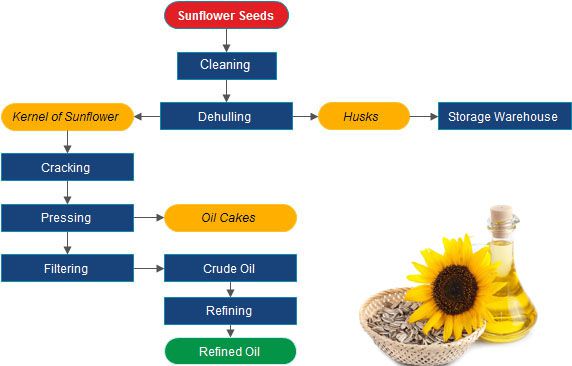
Sunflower oil is a familiar sight in kitchens worldwide, but the complex industrial journey it takes from a simple seed to a clear, golden liquid is truly remarkable. It’s a process of precision engineering, combining immense mechanical force with sophisticated purification techniques.
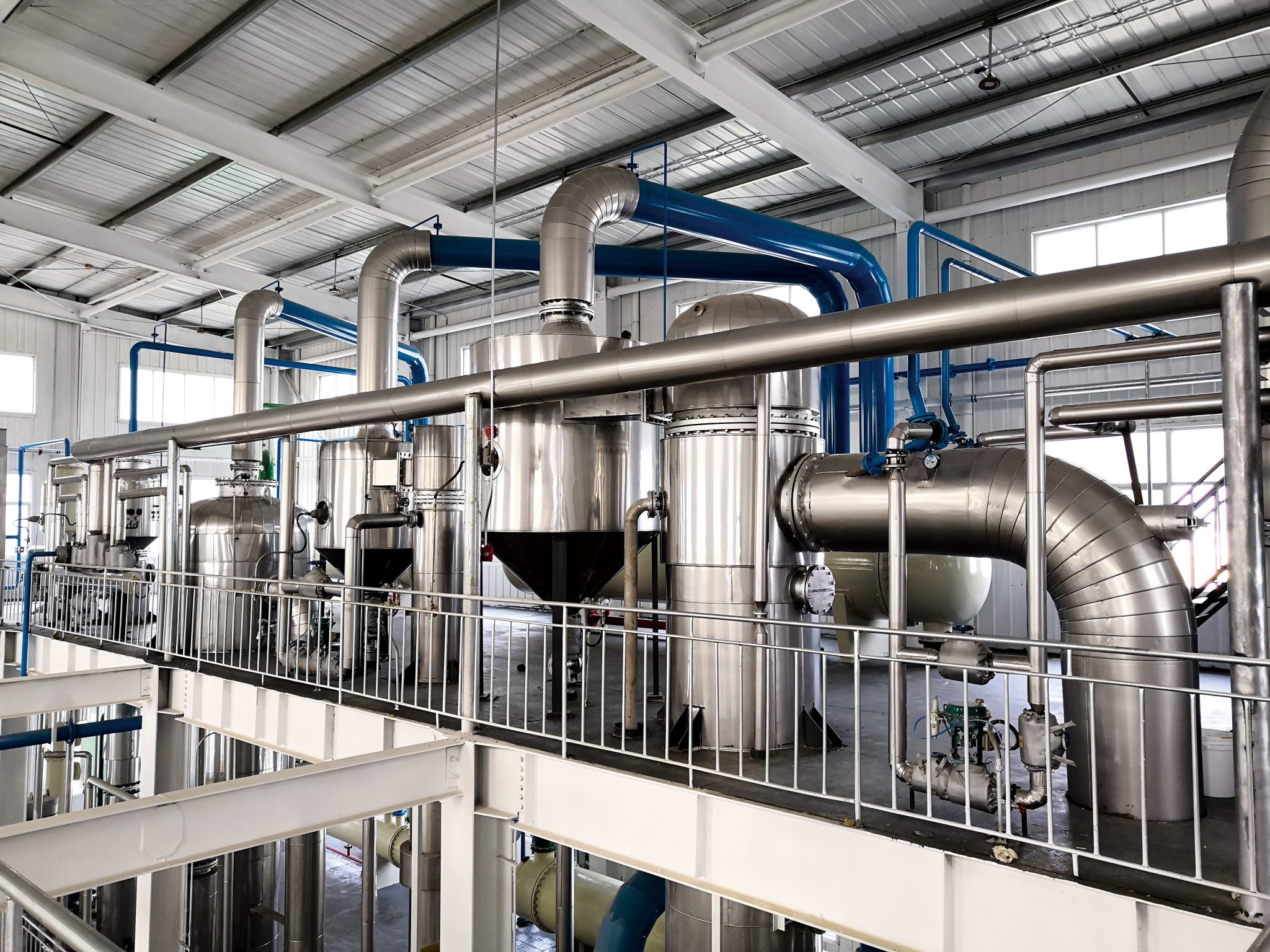
So, how is sunflower oil processed on an industrial scale? The entire operation can be broken down into three core production lines, each requiring specialized, high-performance equipment. Let’s walk through each stage to understand how modern technology makes it all possible.
The Three Main Stages of Sunflower Oil Production
A complete sunflower oil production plant typically includes the following integrated stages:
1. Pre-treatment and Pressing Production Line
2. Solvent Extraction Production Line
3. Refining Production Line
Expert companies like CHEMSTA, with nearly 50 years of experience in the vegetable oil industry, provide complete turnkey solutions for these processes, ensuring maximum efficiency and quality.
Stage 1: Seed Preparation and Pre-treatment
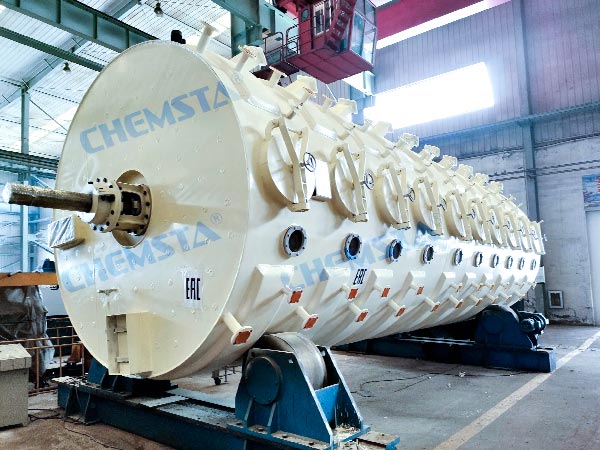
Before any oil can be extracted, the sunflower seeds must be meticulously prepared. This foundational step is crucial for maximizing oil yield and ensuring the machinery operates smoothly.
The key steps in this phase include:
• Cleaning: The raw seeds are first cleaned to remove foreign materials like loose hulls and other debris. An Aspirator is specifically designed for this purpose, ensuring only clean seeds move to the next step.
• Conditioning: The seeds must be brought to the correct temperature and moisture level. A Vertical Seed Conditioner is used to heat and dry the seeds slowly and efficiently, conditioning them properly for further processing.
• Softening: For certain oilseeds, a cooking or softening process is vital. A Softening Cooker heats the seeds and adjusts their moisture content, making them more pliable for the pressing stage.
Stage 2: Oil Extraction (Pressing and Solvent Extraction)
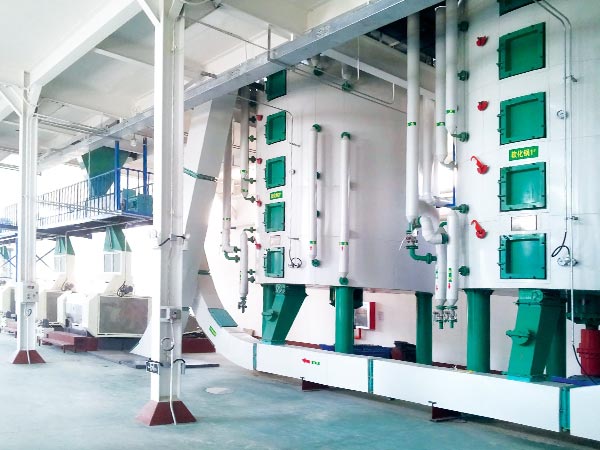
Once the seeds are prepared, the extraction process begins. Modern plants use a powerful two-step approach to ensure that virtually all the oil is recovered.
Mechanical Pressing
The conditioned seeds are fed into a Screw Oil Press. This robust machine works by using a continuous helical screw that revolves within a perforated cylinder. As the screw turns, it creates immense pressure, squeezing the crude oil out through small slots in the cylinder. The remaining solid material, known as sunflower seed cake, is discharged separately.
While effective, pressing alone leaves a significant amount of oil in the cake. To maximize yield, this cake is sent for solvent extraction.
Solvent Extraction
This is a highly efficient method for extracting the residual oil. The sunflower seed cake is washed with a food-grade solvent that dissolves the remaining oil.
• Extraction: Specialized equipment like a Drag Chain Extractor or a Rotocel Extractor is used for this process. These are patented, high-performance machines designed for optimal solvent-to-material contact.
• Desolventizing: After extraction, the solvent must be removed from both the meal and the oil. The defatted meal is processed in a D.T.D.C. (Desolventizer Toaster Dryer Cooler), which safely removes the solvent and prepares the meal for use as animal feed. The oil-solvent mixture (miscella) is sent to an Oil Solvent Stripping Tower to separate the crude oil from the solvent, which is then recycled within the system for reuse.
This dual method of pressing followed by solvent extraction is a hallmark of modern, efficient vegetable oil production.
Stage 3: Crude Oil Refining
The crude oil obtained from the extraction stages is not yet suitable for consumption. It contains impurities like gums, pigments, and free fatty acids. The refining process purifies the oil to create a stable, clear, and neutral-tasting final product.
Here is a summary of the refining stages:

| Refining Step | Purpose & Process | Key Equipment Used |
| Hydration Degumming | Removes phospholipids (gums) from the oil. Water is added, causing the gums to hydrate and precipitate so they can be separated. | Centrifuge |
| Neutralization | Removes free fatty acids by treating the oil with an alkali solution, which converts them into soapstock that is then separated. | Centrifuge |
| Bleaching | Removes color pigments. The oil is treated with activated clay, which absorbs the pigments and is then filtered out. | Vertical Filter |
| Deodorization | The final purification step. The oil is heated under a high vacuum to remove volatile compounds that cause undesirable odors and flavors. | Deodorization Tower |
Some advanced refining lines also include a Phospholipid Concentration Production Line to create valuable by-products like food-grade lecithin from the gums removed during degumming.
The Expertise Behind the Technology
The quality and safety of sunflower oil are directly linked to the expertise of the companies that design and build the processing plants.
• Experience & Expertise: Companies like CHEMSTA, founded in 1976, have nearly 50 years of specialized experience in the vegetable oil industry. They employ a large technical team, including over 110 engineering personnel and more than 50 senior engineers, some of whom receive special allowances from the State Council for their contributions.
• Authoritativeness: CHEMSTA’s authority is demonstrated by its role in shaping industry practices. The company has participated in formulating 3 national and 5 industry standards and holds over 120 patents (including 17 for inventions). Their technology has won numerous awards, including the prestigious first prize from the China Grain and Oil Society.
• Trustworthiness: Trust is built on a track record of successful projects and adherence to international quality standards. CHEMSTA has delivered equipment to over 50 countries, including the USA, Canada, Russia, and Ukraine. They hold key certifications like ISO9001 and ASME (for pressure vessels), ensuring their products meet global safety and quality benchmarks. Their long-standing partnerships with major industry players, such as the numerous projects for the Luhua Group and Russia’s Amur Agricultural Associated Enterprise, prove their reliability.
FAQ
What is the role of automation in sunflower oil processing?
Modern production lines are highly intelligent and automated. According to sources, the most advanced automatic control technology is used, allowing the entire line to be controlled by a computer. This ensures stable operation and makes production management more convenient.
How are by-products from sunflower oil processing used?
The process is designed to be highly efficient with minimal waste. The sunflower seed hulls can be used as fuel. The defatted sunflower meal, which is rich in protein after the oil has been extracted, is a valuable component in animal feed. Furthermore, impurities like phospholipids can be processed into food-grade lecithin.
Is this process energy-efficient?
Yes, modern plants are designed with sustainability in mind. Advanced energy-saving technology is used to scientifically exchange and recycle heat throughout the system, optimizing the process and reducing operational costs. The solvent used in extraction is also continuously recycled.
Can this equipment be used for other types of oilseeds?
Absolutely. The technology and equipment are versatile. Companies like CHEMSTA provide solutions for a wide range of oilseeds, including soybean, peanut, rapeseed, corn germ, and cottonseed, among others. They have completed numerous projects for these different raw materials globally.