Sunflower Oil Production Line: Process, Equipment, Cost, and Plant Design Guide
The global demand for sunflower oil continues to surge, driven by its health benefits, light flavor profile, and versatile applications in the food industry. As more investors enter the edible oil sector, understanding the complete ecosystem of a sunflower oil production line becomes essential for building a profitable and sustainable operation. This comprehensive guide will walk you through every aspect—from raw material processing to refined oil packaging, including equipment selection, cost analysis, and plant design principles that have helped CHEMSTA successfully establish over 300 vegetable oil production plants worldwide.
CHEMSTA, with more than 40 years of experience in the vegetable oil and protein processing industry, has established itself as a global leader in designing and manufacturing sunflower oil processing equipment. Our expertise spans from small-scale mechanical pressing operations to large industrial solvent extraction facilities, ensuring that investors can find solutions tailored to their specific needs and market conditions.
What Is a Sunflower Oil Production Line and How Does It Work?
A sunflower oil production line is a sophisticated industrial processing system designed to extract oil from sunflower seeds and refine it into food-grade products. The system operates through multiple coordinated stages, beginning with raw material cleaning and ending with refined oil packaging. Each stage is meticulously optimized to maximize oil recovery and ensure consistent product quality.
“Modern sunflower oil processing plants are typically automated and operate continuously, allowing for stable production, reduced labor costs, and improved operational efficiency. CHEMSTA’s advanced control systems ensure precise parameter control throughout the entire process.”
The Core Components of Sunflower Oil Production
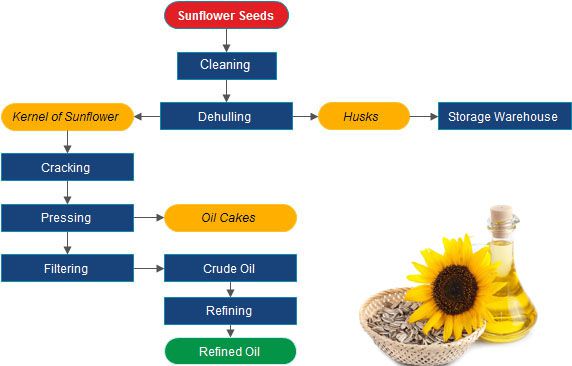
The production process transforms raw sunflower seeds—typically containing 35% to 45% oil—into premium edible oil through a series of carefully controlled operations:
- Cleaning and Preparation – Removing impurities to protect downstream equipment and ensure oil quality
- Dehulling – Separating the hulls from kernels to improve yield and reduce refining costs
- Extraction – Recovering oil from prepared seeds using mechanical or solvent methods
- Refining – Purifying crude oil to meet food-grade standards
- Packaging – Filling refined oil into containers for distribution
What Raw Materials Are Used in Sunflower Oil Processing Plants?
The primary raw material for sunflower oil production is, of course, sunflower seeds. However, the quality of these seeds has a direct and significant impact on oil yield, production efficiency, and overall profitability. Understanding the key factors that determine seed quality is crucial for investors and plant operators.
Key Factors in Sunflower Seed Quality
- Oil Content – Premium sunflower seeds typically contain 38% to 50% oil, with higher oil content directly translating to increased production efficiency and profitability
- Moisture Level – Optimal moisture content (10-12%) is critical for proper processing; excessive moisture can lead to equipment damage and oil quality issues
- Impurity Content – Foreign materials such as stones, dust, and broken seeds must be minimized to prevent equipment wear and maintain oil quality
- Storage Conditions – Proper temperature and humidity control during storage preserves seed quality and prevents mold growth or oil oxidation
Advanced processing flexibility is another consideration. Some modern vegetable oil processing plants, including those designed by CHEMSTA, can handle multiple oilseed types, allowing operators to switch between raw materials—such as sunflower seeds, soybeans, rapeseeds, or peanuts—depending on market conditions and price differentials.
High Oil Content
Quality seeds contain 38-50% oil, directly impacting production efficiency and profitability.
Optimal Moisture
10-12% moisture ensures proper processing and prevents equipment damage.
Clean Seeds
Minimal impurities protect equipment and maintain oil quality throughout processing.
Why Is Dehulling Essential in Sunflower Oil Production?
Dehulling represents one of the most critical and strategic steps in sunflower oil processing. Sunflower seeds typically contain 20-30% hulls by weight, which do not contribute to oil production and can significantly affect processing efficiency if not properly removed. The decision to invest in quality dehulling equipment often determines the overall economic performance of a sunflower oil production line.
Key Benefits of Proper Dehulling
- Increased Oil Yield – Removing hulls concentrates the oil-bearing kernels, allowing for more efficient extraction and higher overall oil recovery
- Improved Oil Quality – Hulls can contain pigments and other compounds that affect oil color and taste; proper dehulling results in cleaner, higher-quality crude oil
- Reduced Refining Costs – Oil extracted from dehulled seeds requires less intensive refining, reducing chemical consumption and processing time
- Minimized Equipment Wear – Hulls are abrasive and can cause premature wear on extraction and refining equipment
- Valuable By-Products – Hulls can be sold as animal feed or used for energy generation, creating additional revenue streams
CHEMSTA’s advanced dehulling technology achieves 98% hull separation efficiency, ensuring maximum kernel recovery while minimizing oil loss. Our dehulling systems are designed for continuous operation with automatic adjustment capabilities to handle variations in seed size and quality.
What Equipment Is Required for a Sunflower Oil Production Plant?
A complete sunflower oil production plant requires a comprehensive suite of specialized equipment, each designed for specific processing stages. CHEMSTA provides turnkey solutions that integrate all necessary equipment into a cohesive, efficient production system. Understanding the equipment requirements helps investors plan their projects effectively and select the most appropriate technology for their scale of operation.
Complete Equipment Breakdown by Processing Stage
| Processing Stage | Equipment Type | Purpose and Key Features |
|---|---|---|
| Cleaning | Vibrating Screen, Destoner, Magnetic Separator | Removes impurities, stones, and metal contaminants; CHEMSTA’s systems achieve 99.9% impurity removal efficiency |
| Dehulling | Disc Dehuller, Air Separator, Aspirator | Separates hulls from kernels; adjustable for different seed sizes with 98% separation efficiency |
| Preparation | Crusher, Flaker, Cooker/Conditioner | Creates optimal flake thickness and moisture content for efficient extraction; precise temperature control |
| Extraction | Screw Press, Solvent Extractor (Rotocel/Drag Chain) | Extracts oil from prepared material; CHEMSTA’s advanced extractors achieve up to 98% oil yield |
| Refining | Degumming Tank, Neutralization Vessel, Bleaching Tower, Deodorizer | Removes impurities to produce food-grade oil; continuous process with PLC control |
| Packaging | Automatic Filling Machine, Capping System, Labeling Machine | Efficiently packages finished oil; handles multiple container sizes with high accuracy |
“CHEMSTA’s equipment is designed with durability and efficiency in mind. Our solvent extraction plants feature advanced heat recovery systems that reduce energy consumption by 20% compared to conventional designs. All equipment meets ISO9001 and ASME standards, ensuring reliability and compliance with international safety regulations.”
What Is the Best Extraction Method for Sunflower Oil?
The choice of extraction method is one of the most strategic decisions in establishing a sunflower oil production line. Different methods offer varying levels of efficiency, capital investment, and operational complexity. CHEMSTA offers tailored solutions for each approach, allowing investors to select the most appropriate technology based on their production scale, investment capacity, and market objectives.
Extraction Methods Comparison
| Method | Oil Yield | Application Scale | CHEMSTA Solution |
|---|---|---|---|
| Mechanical Pressing | 85-90% | Small-scale plants (20-50 TPD) | High-efficiency screw presses with minimal maintenance requirements |
| Solvent Extraction | 95-97% | Medium to large plants (100-300 TPD) | Advanced solvent extraction plants with safety systems and heat recovery |
| Pre-press + Solvent Extraction | Up to 98% | Industrial plants (500-1000 TPD) | Combined process maximizing yield while optimizing energy consumption |
Mechanical Pressing: Simple and Reliable
Mechanical pressing is the traditional method for extracting sunflower oil and remains popular for smaller operations due to its simplicity and lower capital requirements. CHEMSTA’s screw presses are designed for continuous operation and require minimal maintenance, making them ideal for entrepreneurs entering the edible oil business with modest investment capacity.
Solvent Extraction: High Efficiency for Larger Operations
Solvent extraction represents the industry standard for medium to large-scale sunflower oil production. This method uses food-grade solvents—typically hexane—to extract oil from prepared seed flakes, achieving 95-97% oil recovery. CHEMSTA’s solvent extraction plants incorporate advanced safety systems, including explosion-proof designs and comprehensive solvent recovery units to minimize environmental impact and operational costs.
Pre-press + Solvent Extraction: Maximum Efficiency
For large-scale industrial operations, the combination of pre-pressing and solvent extraction offers the highest efficiency and economic performance. This process first mechanically presses the seeds to extract 70-80% of the oil, then subjects the resulting cake to solvent extraction to recover the remaining oil. The result is an overall yield of up to 98% with optimized energy consumption and processing costs. CHEMSTA’s 3,000 TPD soybean processing plant in Russia demonstrates the effectiveness of this approach, achieving 98.5% oil yield while reducing solvent consumption by 15% through advanced process control.
How Does the Sunflower Oil Refining Process Work?
Crude sunflower oil extracted from seeds contains various impurities and undesirable components that must be removed before the oil can be used for human consumption. The refining process transforms crude oil into a clear, stable, food-grade product that meets international quality standards and consumer expectations. CHEMSTA’s refining systems are designed to remove impurities efficiently while preserving the oil’s natural nutritional properties and flavor profile.
The Four Stages of Sunflower Oil Refining
- Degumming – This first refining stage removes phospholipids (gums) using water or acid treatment. CHEMSTA’s continuous degumming system achieves 99% phospholipid removal, preparing the oil for subsequent refining stages.
- Neutralization – Free fatty acids (FFA) are removed using caustic soda (caustic soda neutralization). Our advanced neutralization technology ensures FFA levels below 0.1%, meeting the most stringent international standards.
- Bleaching – Activated clay or other adsorbents remove pigments, oxidation products, and residual impurities. CHEMSTA’s bleaching towers feature counter-current flow for optimal clay usage and efficient impurity removal.
- Deodorization – Volatile compounds, free fatty acids, and off-flavors are removed through steam distillation under high vacuum. Our vacuum deodorization systems operate at 2-4 mbar, ensuring complete removal of undesirable compounds while preserving natural antioxidants like Vitamin E.
“CHEMSTA’s refining lines are flexible enough to produce different grades of oil, from standard edible oil to high-value products like high-oleic sunflower oil. The refined oil achieves a smoke point of 232°C, making it ideal for cooking and frying applications.”
What Capacity Options Are Available for Sunflower Oil Production Lines?
Sunflower oil production lines can be designed for various capacities depending on the scale of the project, market demand, and investment capabilities. CHEMSTA provides customized solutions for each capacity range, ensuring that investors can select the most appropriate scale for their specific circumstances and growth objectives.
Production Capacity Options
| Plant Size | Daily Capacity | Target Market | CHEMSTA Features |
|---|---|---|---|
| Small-scale | 20–50 TPD | Local markets, niche products | Lower initial investment, modular design, easy expansion |
| Medium-scale | 100–300 TPD | Regional supply, wider distribution | Economies of scale, advanced automation, flexible operation |
| Large-scale | 500–1000+ TPD | Industrial production, export markets | Maximum efficiency, lowest unit costs, comprehensive automation |
Small-Scale Plants (20-50 TPD)
Small-scale production lines are ideal for local market supply or specialty product development. These plants require lower initial investment and can be expanded as demand grows. CHEMSTA’s modular design approach allows investors to start with a basic configuration and add capacity incrementally as their business develops.
Medium-Scale Plants (100-300 TPD)
Medium-scale operations serve regional markets and benefit from economies of scale while maintaining flexibility. These plants can incorporate more advanced automation and typically represent the sweet spot for many investors entering the sunflower oil production business. CHEMSTA’s 800 TPD soybean processing plant in Russia, built for Amur Agricultural Associated Enterprise, has consistently exceeded production targets by 5% since commissioning.
Large-Scale Plants (500-1000+ TPD)
Large industrial production facilities are designed for national and international markets. While requiring significant investment, these plants offer the lowest unit production costs and maximum efficiency. CHEMSTA’s experience with large-scale projects—including our 80,000 TPA (tons per annum) soybean protein concentrate project, the world’s largest single-line production line of its kind—demonstrates our capability to handle complex, high-capacity installations.
How Much Does a Sunflower Oil Production Line Cost?
Understanding the cost structure is essential for developing a viable business plan and securing financing. A sunflower oil production line’s total cost includes equipment, construction, utilities, and working capital. CHEMSTA’s experience with over 300 successful projects worldwide provides valuable insights into realistic cost expectations and optimization strategies.
Typical Cost Breakdown
| Cost Component | Percentage of Total | Key Considerations |
|---|---|---|
| Equipment | 40–50% | Depends on capacity, automation level, and technology sophistication |
| Construction | 20–30% | Includes civil works, building infrastructure, and site preparation |
| Utilities | 10–15% | Electricity, water, steam, and waste treatment systems |
| Installation | 5–10% | Equipment setup, piping, electrical work, and commissioning |
| Working Capital | 10–15% | Raw material inventory, operating expenses, and contingency funds |
Investment Ranges by Capacity
- Small-scale (20-50 TPD): $500,000 – $1,000,000
- Medium-scale (100-300 TPD): $2,000,000 – $5,000,000
- Large-scale (500-1000 TPD): $8,000,000 – $15,000,000+
“While high-quality equipment may require a larger initial investment, it significantly reduces maintenance costs and improves long-term profitability. CHEMSTA’s cost optimization strategies, such as energy-efficient equipment and process integration, can reduce operating costs by 15-20% compared to conventional plants.”
How to Design a High-Efficiency Sunflower Oil Processing Plant?
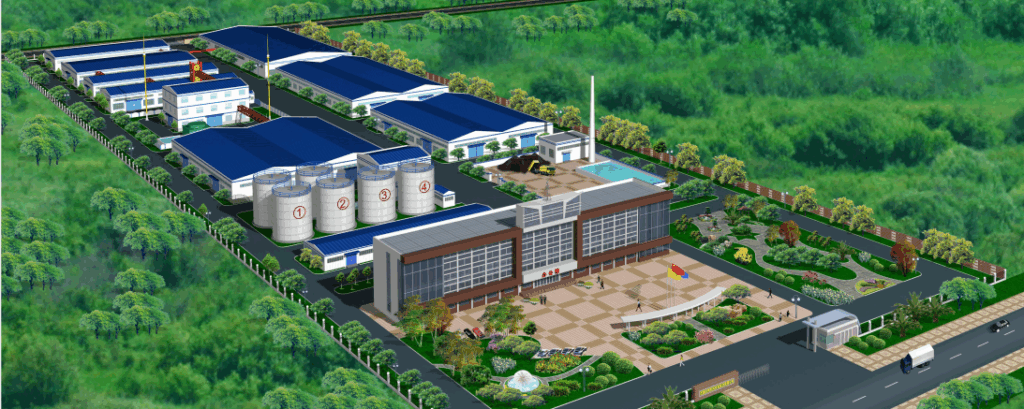
Plant design has a direct and profound impact on production efficiency, operating costs, and overall profitability. A well-designed plant minimizes material handling distances, optimizes energy consumption, ensures worker safety, and facilitates future expansion. CHEMSTA’s engineering team specializes in creating optimized layouts that maximize productivity while maintaining a safe and efficient working environment.
Key Design Principles for Maximum Efficiency
- Material Flow Optimization – Minimizes transportation distances between processing stages, reducing equipment requirements and energy consumption while improving overall efficiency
- Energy Integration – Heat recovery systems capture waste heat from refining processes for use in other parts of the plant, reducing utility costs by 15-20%
- Advanced Automation – PLC-based control systems (Siemens S7-400 with WINCC software) reduce labor requirements, ensure consistent product quality, and enable real-time monitoring
- Comprehensive Safety Systems – Emergency shutdown systems, fire protection, and solvent recovery systems meet international safety standards and protect workers and equipment
- Future-Proof Design – Modular layouts and预留 capacity allow for cost-effective expansion as business grows
How Can You Increase Profitability in Sunflower Oil Production?
Maximizing profitability in sunflower oil production requires a holistic approach that optimizes both production efficiency and cost control while identifying additional revenue streams. CHEMSTA’s experience across hundreds of projects provides valuable insights into proven strategies for improving financial performance and building sustainable competitive advantages.
Strategies for Enhanced Profitability
Raw Material Optimization
Establish long-term contracts with local farmers to secure a stable supply of high-quality sunflower seeds at competitive prices, reducing input cost volatility.
By-Product Utilization
Sunflower meal can be sold as animal feed, generating additional revenue. CHEMSTA’s protein extraction technology can further process meal into high-value protein products.
Energy Efficiency
Invest in energy-saving equipment and process optimization to reduce utility costs. CHEMSTA’s heat recovery systems can reduce energy consumption by 20%.
Product Diversification
Produce specialty oils, such as high-oleic sunflower oil, to access premium markets and higher margins. CHEMSTA’s flexible refining systems enable product differentiation.
Advanced Automation
Implement advanced control systems to reduce labor costs, improve process consistency, and enable data-driven decision making for continuous improvement.
Quality Optimization
Maintain strict quality control to command premium prices and build brand reputation. CHEMSTA’s quality management systems ensure consistent product excellence.
“CHEMSTA’s 80,000 TPA soybean protein concentrate project demonstrates the value of by-product utilization, generating 30% of total revenue from protein sales. Similar opportunities exist in sunflower oil production through proper meal processing and marketing.”

Ready to Build Your Sunflower Oil Production Line?
Partner with CHEMSTA for your sunflower oil production project. With over 40 years of experience, 300+ successful projects worldwide, and a team of 110+ engineering professionals, we have the expertise to help you build a profitable and sustainable operation.Contact CHEMSTA Today for Your Customized Solution
Why Choose CHEMSTA for Your Sunflower Oil Production Line?
With over 40 years of experience and 300+ successful projects worldwide, CHEMSTA has established itself as a trusted partner for edible oil processing solutions. Our comprehensive approach—from feasibility studies through commissioning and beyond—ensures that investors receive the support they need at every stage of their project development.
The CHEMSTA Advantage
- Technical Expertise – A team of 110+ engineering professionals, including 50+ senior engineers, 8 applied researchers, and 2 experts with outstanding contributions at the provincial level, ensures cutting-edge technology and reliable design
- Global Presence – Projects in Russia, America, Canada, Vietnam, Pakistan, the Philippines, and Thailand demonstrate our ability to adapt to diverse market conditions and regulatory environments
- Quality Certifications – ISO9001 and ASME certifications guarantee compliance with international standards for quality, safety, and equipment reliability
- R&D Investment – Over 10% of annual revenue is invested in research and development, ensuring continuous innovation and technological advancement
- Turnkey Solutions – From feasibility studies to commissioning and beyond, CHEMSTA provides end-to-end support for your project, including training and after-sales service
- Proven Track Record – Our projects consistently exceed performance targets, with many plants operating above design capacity for years after commissioning
FAQ
What is the typical oil yield from sunflower seeds?
High-quality sunflower seeds typically contain 35-45% oil by weight. Using CHEMSTA’s advanced pre-press solvent extraction technology, overall oil yield can reach up to 98%. For mechanical pressing operations, yields typically range from 85-90%, while solvent extraction alone achieves 95-97% recovery.
What is the investment cost for a sunflower oil production line?
Investment costs vary significantly based on capacity and technology level. For a 100 TPD plant, total investment typically ranges from $2-3 million. Small-scale plants (20-50 TPD) require $500,000-$1 million, while large industrial facilities (500-1000 TPD) can cost $8-15 million+. These estimates include equipment, construction, utilities, and initial working capital.
How long does it take to build a sunflower oil processing plant?
Construction timelines depend on plant size and complexity. A typical 100-300 TPD plant takes 6-12 months from design to commissioning. Small-scale plants can be operational in 4-6 months, while large industrial facilities may require 12-18 months depending on local regulatory requirements and site conditions.
What extraction method is best for sunflower oil production?
The best method depends on your scale and objectives. For large-scale production, pre-press solvent extraction is most efficient, achieving up to 98% oil yield. Mechanical pressing suits small operations (20-50 TPD) due to lower capital requirements, while solvent extraction is ideal for medium plants (100-300 TPD). CHEMSTA provides customized solutions for each approach.
How can I maximize profitability in sunflower oil production?
Key strategies include: (1) securing high-quality raw materials at stable prices, (2) optimizing by-product utilization (selling meal as animal feed), (3) investing in energy-efficient equipment, (4) implementing advanced automation to reduce labor costs, and (5) considering product diversification into specialty oils like high-oleic varieties.
Your Partner in Sunflower Oil Production Success
Investing in a sunflower oil production line offers significant opportunities in the rapidly growing edible oil market. Global demand continues to rise, driven by health consciousness and the oil’s versatile applications. By selecting the right technology, equipment, and design, you can build a profitable operation that meets market demand for high-quality sunflower oil while creating sustainable competitive advantages.
CHEMSTA’s expertise, global experience, and commitment to innovation make us the ideal partner for your project. Whether you’re planning a small-scale facility or a large industrial plant, we provide tailored solutions that maximize efficiency, quality, and profitability. Our track record of 300+ successful projects across five continents demonstrates our ability to deliver results in diverse market conditions and regulatory environments.
Don’t leave your sunflower oil production investment to chance. Partner with a proven leader who understands the technical challenges and market opportunities. CHEMSTA’s comprehensive approach—from feasibility studies through commissioning and beyond—ensures that your project is built on solid technical foundations and optimized for long-term success.
Take the first step toward building your sunflower oil production empire. Contact CHEMSTA today for a personalized consultation and feasibility study. Our team of experts will help you design a production line that meets your specific needs and budget, ensuring long-term success in the competitive edible oil market.