Cooking Oil Production Line: Equipment, Process Flow, and Investment
Table of Contents
Introduction
The global edible oil market is experiencing continuous expansion driven by population growth, urbanization, and rising demand for processed food products. Cooking oil is a daily necessity across all regions, making it one of the most stable and high-demand commodities in the food industry.
For investors and agribusiness companies, establishing a cooking oil production line offers a strategic opportunity to enter a resilient and scalable industry. However, success depends heavily on selecting the right processing technology, designing an efficient plant layout, and choosing reliable equipment.
A modern cooking oil production line is not just a collection of machines. It is a fully integrated engineering system designed to maximize oil yield, reduce operational costs, and ensure consistent product quality.
Understanding the complete system—from raw material handling to final oil packaging—is essential for building a profitable oil processing business.

What Defines a High-Efficiency Cooking Oil Production Line?
A high-efficiency cooking oil production line is characterized by its ability to achieve maximum oil extraction while maintaining low energy consumption and stable operation.
Several factors define an efficient system. First, proper raw material preparation ensures that oilseeds are processed under optimal conditions. Second, advanced extraction technology improves oil recovery rates. Third, automated control systems maintain consistent processing parameters.
Modern production lines are designed for continuous operation, reducing downtime and improving throughput. They also incorporate energy-saving technologies, such as heat recovery systems, to lower utility costs.
An optimized production line can significantly increase profitability by improving both output and efficiency.
What Are the Key Processing Stages in a Cooking Oil Production Line?
A complete cooking oil production line consists of multiple interconnected processing stages. Each stage plays a critical role in ensuring high oil yield and product quality.
The process begins with raw material cleaning, where impurities such as dust, stones, and metal particles are removed. Clean seeds are then processed through cracking and flaking to increase surface area for oil extraction.
Conditioning and cooking adjust moisture and temperature levels to prepare the material for extraction. This step is essential for improving oil release efficiency.
Oil extraction is carried out using mechanical pressing or solvent extraction. Large-scale plants typically use pre-pressing followed by solvent extraction to achieve maximum oil recovery.
Crude oil then undergoes refining processes, including degumming, neutralization, bleaching, and deodorization. These steps remove impurities and improve color, odor, and taste.
Finally, the refined oil is filtered, cooled, and packaged for distribution.
What Equipment Is Required for Each Processing Stage?
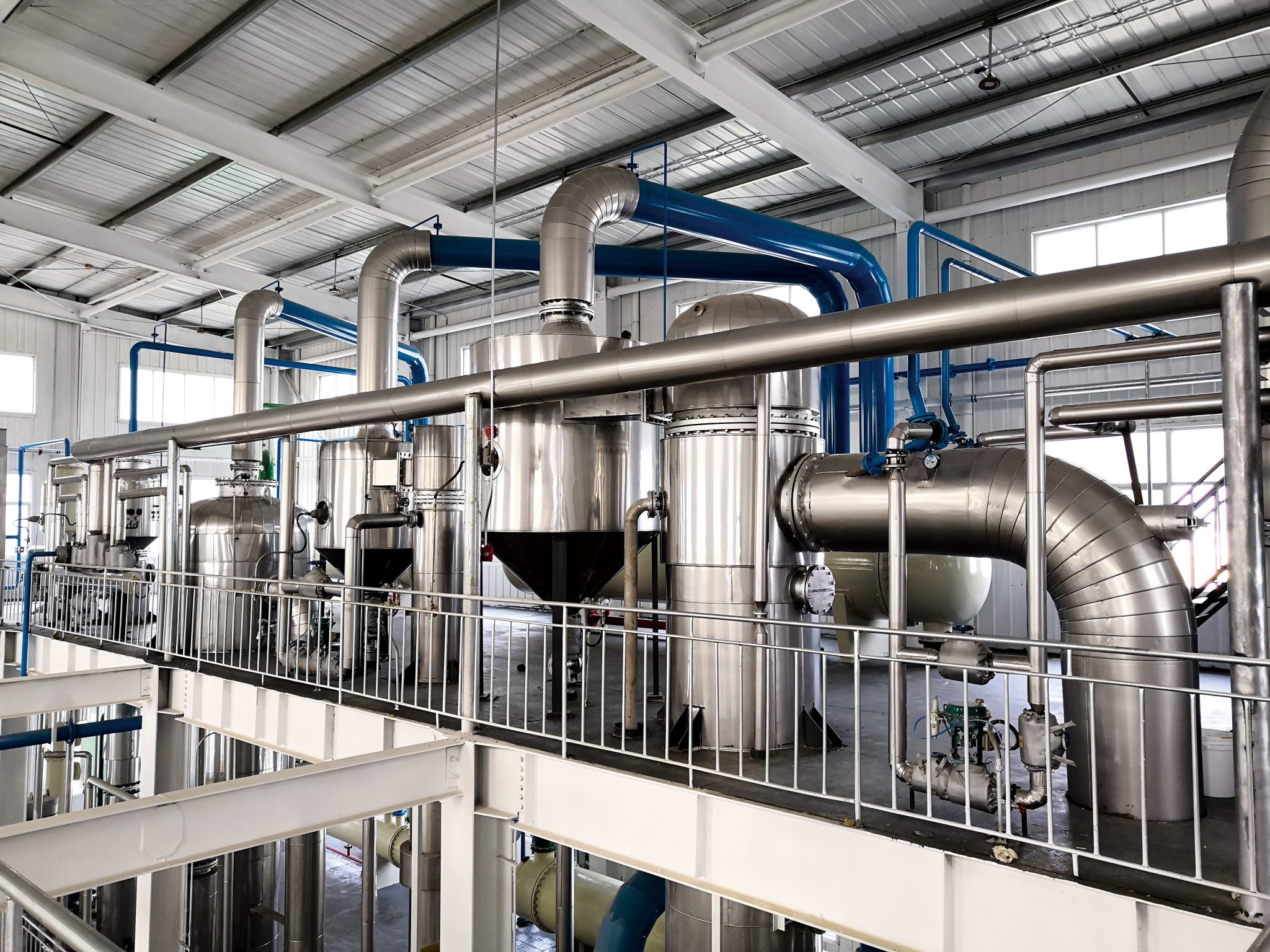
Each stage in a cooking oil production line requires specialized equipment designed for specific functions.
| Processing Stage | Equipment | Function |
|---|---|---|
| Cleaning | Vibrating screen, destoner | Remove impurities |
| Preparation | Cracker, flaker | Increase surface area |
| Conditioning | Cooker, steam conditioner | Adjust moisture and temperature |
| Extraction | Screw press, solvent extractor | Extract oil |
| Refining | Degumming tank, deodorizer | Improve oil quality |
| Packaging | Filling machine | Final product packaging |
The proper selection and configuration of equipment directly affect plant performance, oil yield, and maintenance requirements.
Why Is Pre-Pressing Combined with Solvent Extraction the Optimal Solution?
For industrial-scale cooking oil production lines, the combination of pre-pressing and solvent extraction is widely recognized as the most efficient processing method.
In this approach, oilseeds are first mechanically pressed to remove a portion of the oil. The remaining oil in the press cake is then extracted using solvent extraction technology.
This method offers several advantages.
| Method | Oil Yield | Efficiency | Application |
|---|---|---|---|
| Mechanical pressing | Medium | Simple | Small plants |
| Solvent extraction | High | Advanced | Large plants |
| Pre-press + solvent | Very high | Optimal | Industrial plants |
By combining both methods, the system achieves maximum oil recovery while maintaining operational stability. This significantly improves overall plant profitability.
How Does Automation Improve Production Performance?
Automation is a key component of modern cooking oil production lines. Advanced control systems monitor temperature, pressure, flow rate, and other critical parameters in real time.
Automated systems reduce human error and ensure consistent production conditions. This leads to improved product quality and reduced waste.
In addition, automation lowers labor costs and enhances operational safety. Operators can manage the entire production process from a centralized control system.
Digital monitoring systems also enable predictive maintenance, helping prevent equipment failures and reduce downtime.
What Capacity Should Be Selected for Maximum ROI?
Selecting the appropriate capacity is one of the most important decisions when planning a cooking oil production line.
The capacity should match both raw material availability and market demand.
| Plant Scale | Capacity | Investment Level | ROI Potential |
|---|---|---|---|
| Small | 20–50 TPD | Low | Moderate |
| Medium | 100–300 TPD | Medium | High |
| Large | 500–1000 TPD | High | Very high |
Larger plants benefit from economies of scale, reducing production costs per ton of oil. However, insufficient raw material supply can lead to underutilized capacity, negatively affecting profitability.
A well-balanced capacity plan ensures optimal return on investment.
What Are the Major Cost Components of a Cooking Oil Production Line?
Understanding cost structure is essential for evaluating investment feasibility.
The total investment includes both capital expenditure and operational costs.
| Cost Category | Percentage |
|---|---|
| Equipment | 40–50% |
| Construction | 15–25% |
| Utilities | 10–15% |
| Labor | 5–10% |
| Raw materials | 60–75% (operational) |
Raw materials account for the largest share of ongoing costs, making supply chain management critical for profitability.
Investing in energy-efficient equipment can significantly reduce long-term operating expenses.
How Can Plant Design Improve Efficiency and Reduce Costs?
Engineering design plays a crucial role in the performance of a cooking oil production line.
A well-designed plant layout minimizes material handling distance and reduces energy consumption. Efficient piping and conveyor systems improve workflow and reduce bottlenecks.
Proper heat integration allows waste heat from one process to be reused in another, improving overall energy efficiency.
In addition, modular plant design enables future expansion, allowing investors to scale production as demand grows.
Professional engineering design ensures that the production line operates at optimal efficiency from the beginning.

What By-Products Can Increase Overall Profitability?
A cooking oil production line generates valuable by-products that can significantly increase revenue.
The most important by-product is oilseed meal, which is widely used as animal feed. This product often represents a substantial portion of total plant income.
Other by-products may include lecithin, fatty acids, and industrial oils depending on the processing method.
Efficient utilization of by-products improves resource efficiency and enhances overall profitability.
Conclusion
A cooking oil production line is a complex but highly profitable industrial system. With proper planning, advanced technology, and efficient equipment, investors can build facilities that deliver high oil yield, consistent quality, and strong financial returns.
The key to success lies in selecting the right processing technology, optimizing plant design, and ensuring stable raw material supply.
As global demand for edible oils continues to grow, investing in a modern cooking oil production line offers long-term business opportunities and sustainable profitability.
Ready to build a high-efficiency cooking oil production line tailored to your market?
Our engineering team provides complete turnkey solutions, from process design and equipment manufacturing to installation and commissioning. Whether you are planning a soybean, sunflower, or multi-seed oil project, we deliver customized systems that maximize yield and ROI. Contact us today to get your detailed project proposal and start your oil processing business with confidence.
FAQ
What is a cooking oil production line?
It is a complete system used to process oilseeds into refined edible oil.
Which extraction method is best for large plants?
Pre-pressing combined with solvent extraction provides the highest efficiency.
How long does it take to build a plant?
Typically between 6 and 12 months depending on project size.
What capacity is most profitable?
Medium to large plants (100–500 TPD) usually offer the best ROI.
Can the system process multiple oilseeds?
Yes, modern production lines can be designed for multi-seed processing.