De Oiled: Understanding the Process, Uses, and Benefits
Table of Contents
De oiled refers to the by-product obtained after extracting oil from seeds, nuts, or other oil-bearing materials. Commonly known as oil cake or meal, defatted material is rich in proteins, fiber, and other nutrients. Understanding its production and applications is essential for industries involved in animal feed, food processing, and bio-products.
Introduction

Defatted material is the residue left after mechanical pressing or solvent extraction of oil. It contains minimal oil content but retains high levels of proteins, carbohydrates, and minerals. Depending on the source—such as soybeans, groundnuts, or sunflower seeds—its composition varies significantly, making it suitable for different industrial uses.
How is Defatted Material Produced?
The production of defatted material involves several steps:
- Cleaning – Seeds or nuts are cleaned to remove dust, stones, and foreign materials.
- Conditioning – Raw materials may be roasted or dried to optimize oil extraction.
- Oil Extraction – Mechanical pressing or solvent extraction removes oil.
- De oiled Cake Collection – The remaining solid cake is collected for further processing or direct use.
Types of Defatted Materials
Defatted products vary based on raw material and extraction method. Common types include:
- Soybean de oiled cake – high protein, ideal for animal feed.
- Groundnut de oiled cake – contains residual oil, rich in energy and protein.
- Sunflower de oiled cake – fiber-rich, used in feed and industrial applications.
Nutritional Comparison of Common Defatted Cakes
| Type | Protein (%) | Fiber (%) | Fat (%) | Common Use |
|---|---|---|---|---|
| Soybean de oiled | 44-48 | 6-8 | 1-2 | Livestock feed, protein powder |
| Groundnut de oiled | 45-50 | 5-7 | 2-3 | Animal feed, fertilizers |
| Sunflower de oiled | 28-32 | 12-14 | 1-2 | Feed, bio-based products |
| Cottonseed de oiled | 35-40 | 10-12 | 1-2 | Feed, organic fertilizer |
Benefits of Defatted Material
Defatted material offers several advantages:
- High nutritional value – Rich in proteins and minerals.
- Cost-effective – Serves as an economical source of feed and raw material for industrial applications.
- Versatile applications – Can be used for livestock feed, biofertilizers, or as a raw material for protein extraction.
Applications of De Oiled Material
- Animal Feed – Most widely used application; defatted cakes provide protein, energy, and fiber to livestock.
- Food Industry – Some defatted meals are processed further into protein powders for human consumption.
- Agriculture – Fiber-rich defatted cakes are used as organic fertilizers or soil conditioners.
- Bio-products – Industrial applications include biofuel production, adhesives, and biodegradable materials.
Maintaining Quality of De Oiled Material
Proper storage and handling are crucial to maintain quality:
- Store in dry, ventilated environments to prevent mold or spoilage.
- Use airtight containers to avoid contamination.
- Regularly inspect for pests or moisture to maintain nutritional integrity.
Advantages of Using High-Quality De Oiled Products
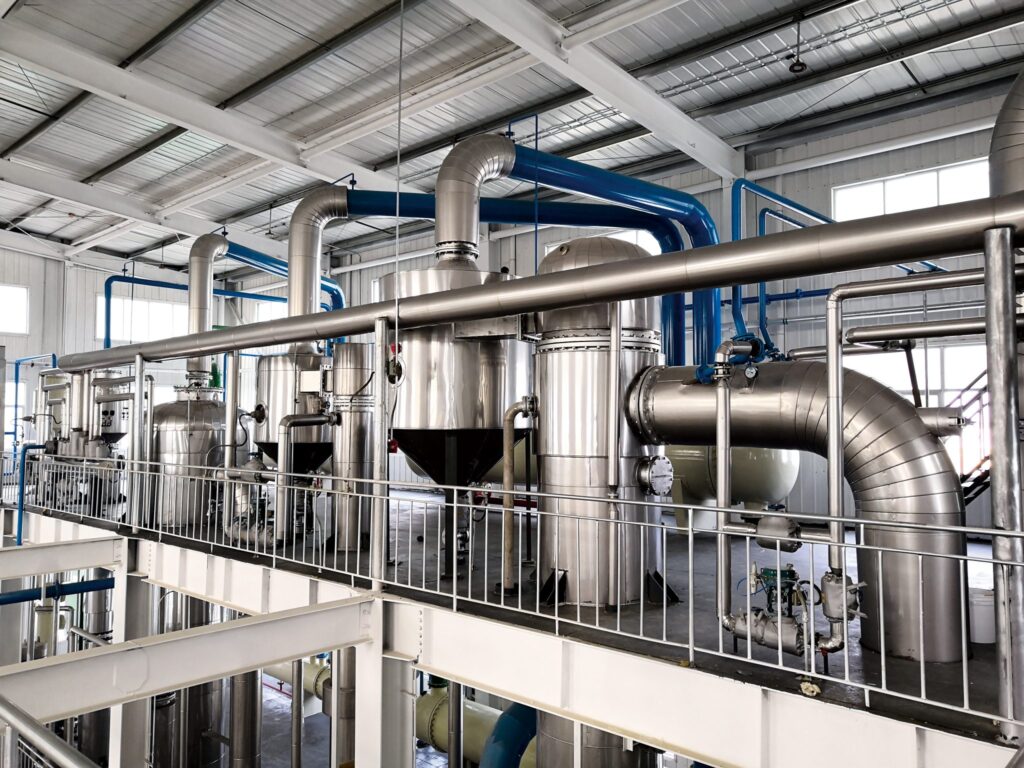

High-quality defatted products ensure better performance in feed and industrial applications. Protein-rich, low-moisture defatted cakes improve livestock growth rates, reduce feed costs, and provide consistent material quality for food and bio-based industries.
Conclusion
Defatted material is more than just a by-product; it is a valuable resource for various industries. From animal feed to bio-products, understanding its production, composition, and applications can help businesses and consumers maximize its benefits. Proper handling and processing are key to maintaining quality, ensuring nutritional value, and optimizing its versatile uses.
FAQ
What is de oiled material?
Defatted material is the solid residue left after oil is extracted from seeds or nuts. Rich in proteins, fiber, and minerals, it’s ideal for livestock feed, food processing, and industrial applications, providing a nutritious and versatile by-product.
How is defatted material produced?
Defatted material is made by cleaning and conditioning seeds or nuts, then extracting oil via mechanical pressing or solvent methods. The remaining protein-rich solid cake is collected for feed, food ingredients, or industrial uses, ensuring minimal oil content.
Can defatted material be used for animal feed?
Yes, defatted material is widely used in livestock feed due to its high protein, fiber, and nutrient content. It supports growth, improves feed efficiency, and provides an economical, natural source of essential nutrients for animals.
What equipment is needed for defatted production?
Production requires oil press machines or solvent extractors, seed cleaners, filtration units, and storage tanks. Automated setups ensure consistent oil extraction, high-quality de oiled cakes, and efficient handling for industrial or commercial use.
How do I maintain defatted material quality?
Store defatted material in dry, ventilated areas, protect from contamination, and regularly inspect for pests or moisture. Proper handling ensures long shelf life, preserves nutritional value, and maintains consistency for feed or industrial applications.
Need Help Using Defatted Material Effectively?
If you’re unsure how to maximize the value of de oiled products for feed, food, or industrial applications, our experts are ready to guide you. Contact us today for a personalized consultation and ensure your production and usage are efficient and high-quality. Don’t wait—reach out now to optimize your defatted material utilization!