Selection and Application of Extraction Equipment

Table of Contents
Introduction
In many industries such as chemical, pharmaceutical, and food, extraction is an important separation and purification technology. As the core tool of the extraction process, the performance and selection of extraction equipment directly affect production efficiency, product quality, and cost-effectiveness. This article will focus on the core keyword of extraction equipment, and in-depth discuss the types, working principles, performance characteristics, application scenarios, and selection guidelines of extraction equipment, helping readers understand how to choose extraction equipment that suits their needs.
Types of Extraction Equipment
Mixer-Settler
The mixer-settler is a traditional extraction equipment, consisting of a mixing chamber and a settling chamber. The mixing chamber is used to fully mix the raw material liquid and the extractant, so that the solute is transferred from the raw material liquid to the extractant; the settling chamber is used to separate the mixed two phases, obtaining the extract phase and the raffinate phase. The mixer-settler has the advantages of simple structure, easy operation, and strong adaptability, but it has large floor space, low processing capacity, and high solvent consumption.
Extraction Tower
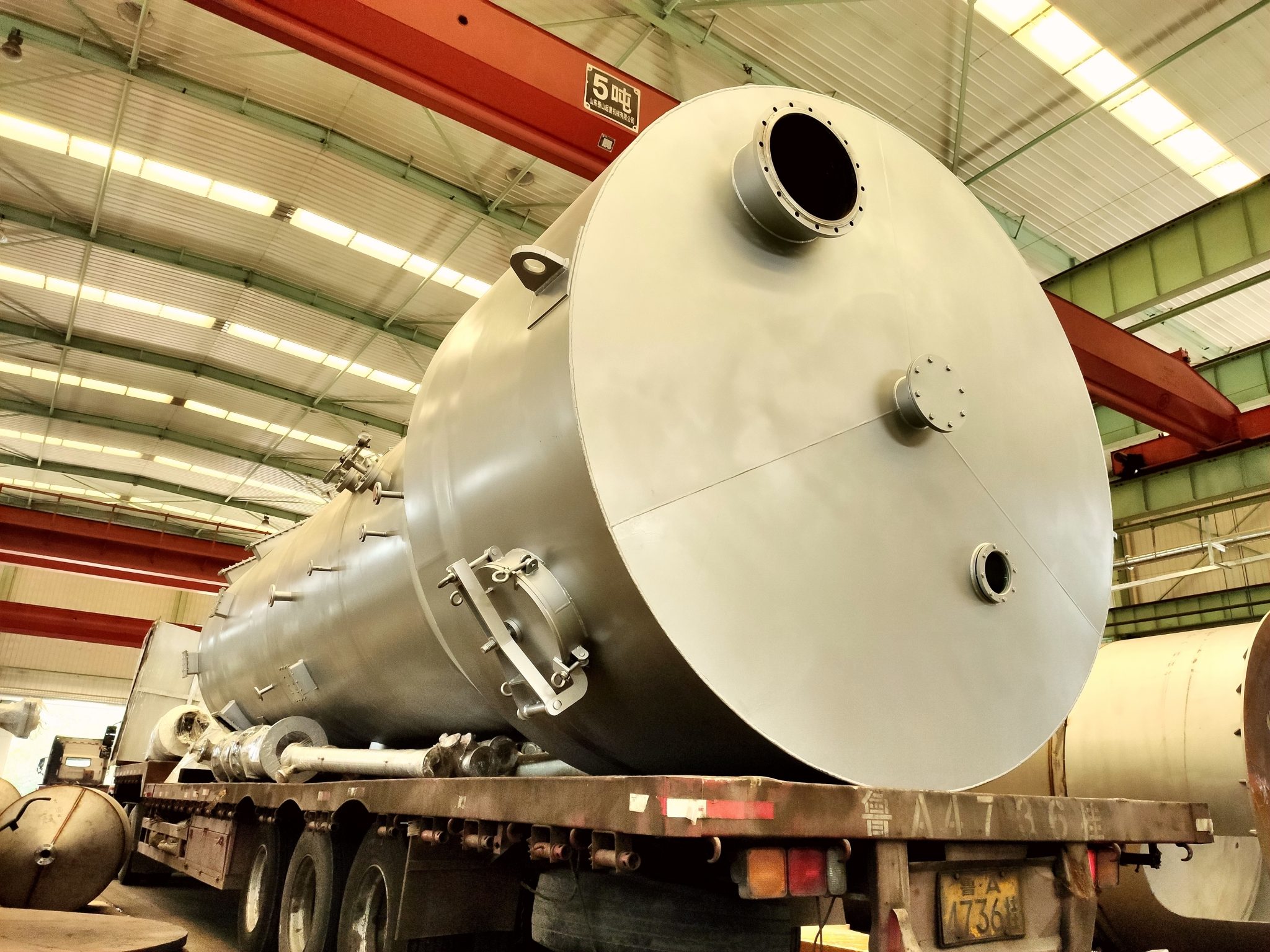
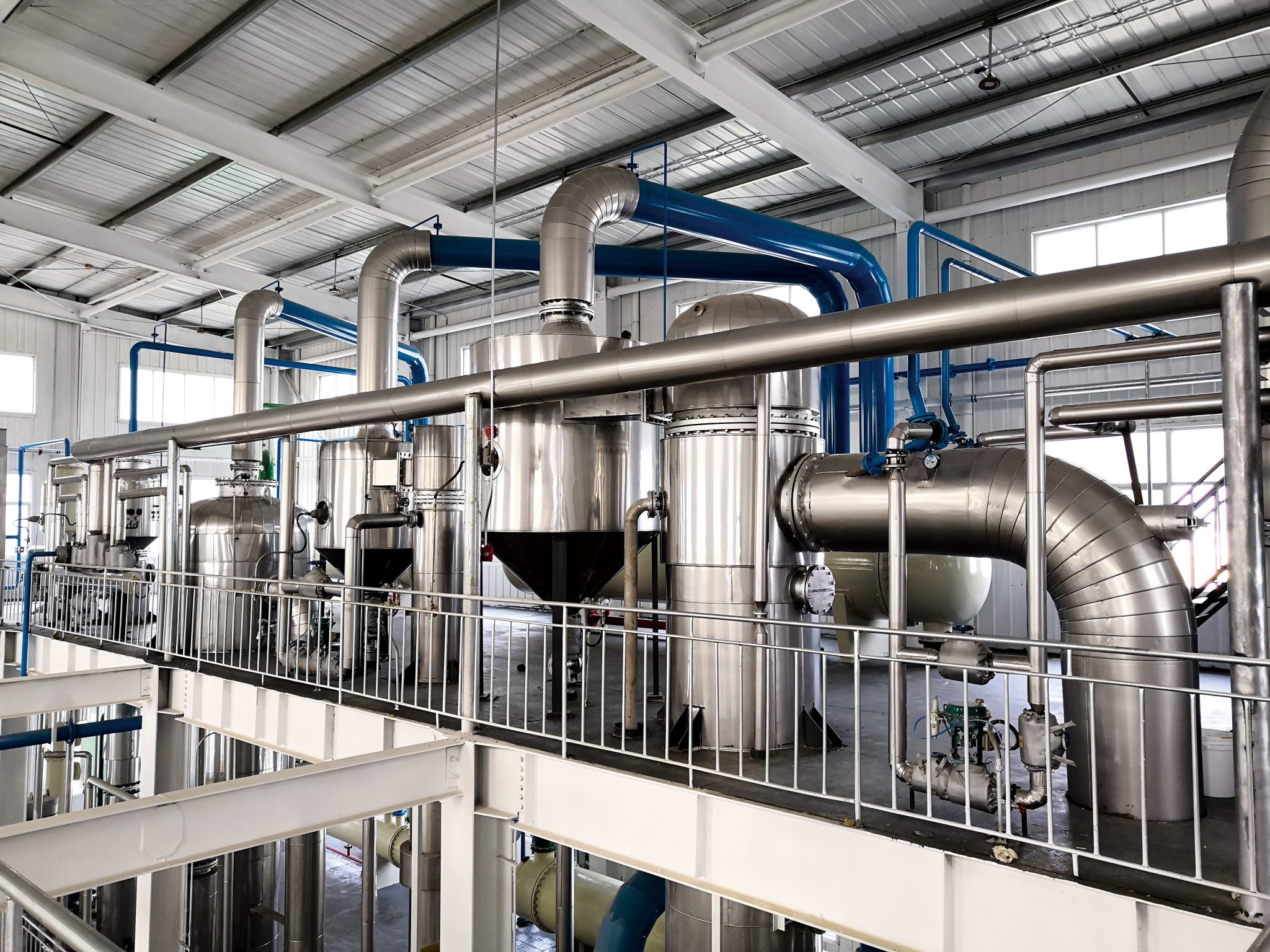
The extraction tower is a continuous operation extraction equipment. According to the different internal structures of the tower, it can be divided into packed tower, sieve plate tower, pulse tower, rotating disc tower, etc. The extraction tower has the advantages of small floor space, large processing capacity, and low solvent consumption, but it has complex structure, high operation difficulty, and poor adaptability.
Centrifugal Extractor
The centrifugal extractor is an extraction equipment that uses centrifugal force to realize two-phase separation. It has the advantages of high separation efficiency, large processing capacity, low solvent consumption, and small floor space, but it has complex structure, high equipment investment, and high operation difficulty.
Membrane Extraction Equipment
The membrane extraction equipment is an extraction equipment that uses the selective permeability of the membrane to realize solute separation. It has the advantages of high separation efficiency, low solvent consumption, small floor space, and easy operation, but the membrane has high cost, short service life, and is easy to be polluted.
Working Principles of Extraction Equipment
Working Principle of Mixer-Settler
The working principle of the mixer-settler is to use a stirrer to fully mix the raw material liquid and the extractant, so that the solute is transferred from the raw material liquid to the extractant; then use gravity to separate the mixed two phases, obtaining the extract phase and the raffinate phase. The mixing efficiency and settling efficiency of the mixer-settler directly affect the extraction effect.
Working Principle of Extraction Tower
The working principle of the extraction tower is to use the countercurrent contact between the raw material liquid and the extractant in the tower, so that the solute is transferred from the raw material liquid to the extractant; then use gravity to separate the mixed two phases, obtaining the extract phase and the raffinate phase. The mass transfer efficiency and separation efficiency of the extraction tower directly affect the extraction effect.
Working Principle of Centrifugal Extractor
The working principle of the centrifugal extractor is to use centrifugal force to fully mix the raw material liquid and the extractant, so that the solute is transferred from the raw material liquid to the extractant; then use centrifugal force to separate the mixed two phases, obtaining the extract phase and the raffinate phase. The separation efficiency and processing capacity of the centrifugal extractor directly affect the extraction effect.
Working Principle of Membrane Extraction Equipment
The working principle of the membrane extraction equipment is to use the selective permeability of the membrane to transfer the solute from the raw material liquid to the extractant; then use gravity or pressure to separate the mixed two phases, obtaining the extract phase and the raffinate phase. The separation efficiency and service life of the membrane directly affect the extraction effect.

Performance Characteristics of Extraction Equipment
Performance Characteristics of Mixer-Settler
The performance characteristics of the mixer-settler include high mixing efficiency, high settling efficiency, strong adaptability, and easy operation, but it has large floor space, low processing capacity, and high solvent consumption.
Performance Characteristics of Extraction Tower
The performance characteristics of the extraction tower include high mass transfer efficiency, high separation efficiency, small floor space, large processing capacity, and low solvent consumption, but it has complex structure, high operation difficulty, and poor adaptability.
Performance Characteristics of Centrifugal Extractor
The performance characteristics of the centrifugal extractor include high separation efficiency, large processing capacity, low solvent consumption, and small floor space, but it has complex structure, high equipment investment, and high operation difficulty.
Performance Characteristics of Membrane Extraction Equipment
The performance characteristics of the membrane extraction equipment include high separation efficiency, low solvent consumption, small floor space, and easy operation, but the membrane has high cost, short service life, and is easy to be polluted.
Application Scenarios of Extraction Equipment
Chemical Industry
In the chemical industry, extraction equipment is widely used in petrochemical, fine chemical, organic synthesis, and other fields, for the separation and purification of various organic compounds. For example, in petrochemical industry, extraction equipment is used for the separation and purification of aromatics, olefins, alkanes, etc.; in fine chemical industry, extraction equipment is used for the separation and purification of various drugs, spices, dyes, etc.
Pharmaceutical Industry
In the pharmaceutical industry, extraction equipment is widely used in drug extraction, purification, separation, and other fields, for improving drug quality, reducing production cost, and shortening production cycle. For example, in drug extraction, extraction equipment is used for extracting active ingredients from plants, animals, or microorganisms; in drug purification, extraction equipment is used for removing impurities and residual solvents in drugs; in drug separation, extraction equipment is used for separating and purifying drugs with different structures.
Food Industry
In the food industry, extraction equipment is widely used in natural pigment extraction, flavor and fragrance preparation, protein separation, and other fields, for improving food quality and safety. For example, in natural pigment extraction, extraction equipment is used for extracting natural pigments from plants; in flavor and fragrance preparation, extraction equipment is used for extracting flavor and fragrance from plants or animals; in protein separation, extraction equipment is used for separating and purifying different types of proteins.
Environmental Protection Industry
In the environmental protection industry, extraction equipment is widely used in wastewater treatment, waste gas treatment, solid waste treatment, and other fields, for resource recovery, energy conservation, emission reduction, and environmental protection. For example, in wastewater treatment, extraction equipment is used for removing heavy metal ions, organic compounds, and other pollutants in wastewater; in waste gas treatment, extraction equipment is used for removing harmful gases and particulate matter in waste gas; in solid waste treatment, extraction equipment is used for recovering useful components in solid waste.
Selection Guidelines of Extraction Equipment
Selection Principles
- Meet Production Requirements: The processing capacity, separation efficiency, and product quality of the extraction equipment should meet the production requirements.
- Adapt to Raw Material Characteristics: The extraction equipment should adapt to the properties of the raw material liquid, such as viscosity, density, concentration, temperature, etc.
- Consider Operating Conditions: The extraction equipment should consider the operating conditions, such as pressure, temperature, pH value, etc.
- Reduce Cost-Effectiveness: The equipment investment, operating cost, and maintenance cost of the extraction equipment should be as low as possible to improve cost-effectiveness.
- Easy to Operate and Maintain: The extraction equipment should be easy to operate and maintain to reduce operation difficulty and maintenance cost.
Selection Steps
- Determine Production Requirements: According to the production scale, product quality, and production cycle, determine the processing capacity, separation efficiency, and product quality requirements of the extraction equipment.
- Analyze Raw Material Characteristics: Analyze the properties of the raw material liquid, such as viscosity, density, concentration, temperature, etc., and select the type of extraction equipment that suits the raw material characteristics.
- Consider Operating Conditions: Consider the operating conditions, such as pressure, temperature, pH value, etc., and select the type of extraction equipment that suits the operating conditions.
- Compare Equipment Performance: Compare the performance characteristics of different types of extraction equipment, such as mixing efficiency, settling efficiency, mass transfer efficiency, separation efficiency, processing capacity, solvent consumption, etc., and select the type of extraction equipment with the best performance.
- Evaluate Cost-Effectiveness: Evaluate the equipment investment, operating cost, and maintenance cost of different types of extraction equipment, and select the type of extraction equipment with the best cost-effectiveness.
- Determine Equipment Model: According to the production requirements, raw material characteristics, operating conditions, and equipment performance, determine the specific model and specification of the extraction equipment.
Selection Case
A pharmaceutical enterprise needs to extract an active ingredient from plants. The raw material liquid has high viscosity, low concentration, and high temperature. According to the production requirements and raw material characteristics, the enterprise selected a centrifugal extractor as the extraction equipment. The centrifugal extractor has the advantages of high separation efficiency, large processing capacity, low solvent consumption, and small floor space, which can meet the production requirements of the enterprise. At the same time, the equipment investment and operating cost of the centrifugal extractor are relatively high, but due to its large processing capacity and low solvent consumption, it can reduce production cost and improve production efficiency, so it has high cost-effectiveness.

Maintenance and Upkeep of Extraction Equipment
Daily Maintenance
- Check Equipment Operation Status: Regularly check the operation status of the extraction equipment, such as temperature, pressure, flow rate, liquid level, etc., to ensure the normal operation of the equipment.
- Clean Equipment Surface: Regularly clean the surface of the extraction equipment, remove dirt and impurities on the equipment surface, and keep the equipment clean and hygienic.
- Lubricate Equipment Components: Regularly lubricate the components of the extraction equipment, such as bearings, gears, seals, etc., to reduce component wear and extend equipment service life.
- Replace Wearing Parts: Regularly replace the wearing parts of the extraction equipment, such as stirrers, packings, sieve plates, membranes, etc., to ensure stable equipment performance.
Regular Maintenance
- Disassemble and Clean Equipment: Regularly disassemble and clean the extraction equipment, remove dirt and impurities inside the equipment, and keep the inside of the equipment clean and hygienic.
- Check Equipment Components: Regularly check the components of the extraction equipment, such as stirrers, packings, sieve plates, membranes, etc., check whether the components are worn, deformed, corroded, etc., and replace damaged components in time.
- Calibrate Equipment Instruments: Regularly calibrate the instruments of the extraction equipment, such as thermometers, pressure gauges, flow meters, liquid level meters, etc., to ensure accurate instrument measurement.
- Test Equipment Performance: Regularly test the performance of the extraction equipment, such as mixing efficiency, settling efficiency, mass transfer efficiency, separation efficiency, etc., to ensure stable equipment performance.
Troubleshooting
- Abnormal Equipment Operation: If the extraction equipment operates abnormally, such as abnormal parameters of temperature, pressure, flow rate, liquid level, etc., timely check the equipment operation status, find out the cause of the fault, and eliminate it.
- Damaged Equipment Components: If the components of the extraction equipment are damaged, such as stirrers, packings, sieve plates, membranes, etc., timely replace the damaged components to ensure the normal operation of the equipment.
- Decreased Equipment Performance: If the performance of the extraction equipment decreases, such as decreased mixing efficiency, settling efficiency, mass transfer efficiency, separation efficiency, etc., timely check the equipment operation status and component wear, find out the cause of the fault, and eliminate it.
Conclusion
As the core tool of the extraction process, the performance and selection of extraction equipment directly affect production efficiency, product quality, and cost-effectiveness. This article focuses on the core keyword of extraction equipment, and in-depth discusses the types, working principles, performance characteristics, application scenarios, and selection guidelines of extraction equipment, helping readers understand how to choose extraction equipment that suits their needs. At the same time, this article also introduces the maintenance and upkeep methods of extraction equipment, helping readers extend equipment service life and improve equipment performance stability. It is hoped that this article can be helpful to readers.