Turnkey Solutions for Edible Oil Extraction Plant
Table of Contents
Introduction
The global demand for edible oil continues to rise, driven by both population growth and expanding applications across food, feed, and industrial sectors. For oil processing companies, this means greater opportunities—but also greater competition. Setting up or upgrading an edible oil extraction plant requires careful planning, technology selection, and investment decisions that balance efficiency, sustainability, and long-term profitability.
This article explores the critical factors oil processing companies must consider when building or expanding an edible oil extraction plant. Drawing on more than 50 years of industry experience and over 1,000 successful projects worldwide, CHEMSTA shares insights into plant design, equipment selection, and process optimization.
Understanding the Core Objectives of an Oil Processing Company
Before starting an edible oil extraction plant project, companies must define their goals clearly. For most producers, the objectives include:
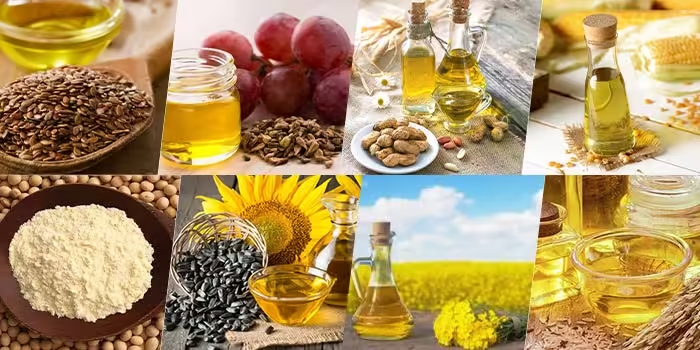
- High oil yield: Ensuring maximum recovery from raw materials such as soybeans, peanuts, sunflower seeds, or rapeseeds.
- Consistent product quality: Meeting global standards for edible oil safety, flavor, and stability.
- Energy efficiency: Reducing production costs and improving sustainability.
- Scalability: Building facilities that can adapt to future demand growth.
- Environmental compliance: Minimizing waste and meeting emission and wastewater regulations.
Without clear priorities, it becomes difficult to select the right extraction plant design and equipment.
Key Functional Areas in an Edible Oil Extraction Plant
Every successful plant layout includes several standard functional zones. A poor extraction plant layout can lead to bottlenecks, contamination risks, and higher operational costs.
| Functional Area | Purpose | Typical Equipment | Key Considerations |
|---|---|---|---|
| Raw Material Reception | Cleaning, weighing, and temporary storage | Cleaning machines, conveyors, silos | Dust control, storage capacity |
| Preprocessing | Preparing seeds for efficient extraction | Dehullers, conditioners, flakers | Uniform moisture and particle size |
| Extraction | Recovering crude oil from seeds | Screw presses, solvent extractors | Maximize yield while minimizing solvent use |
| Refining | Improving taste, color, and stability | Degumming, neutralization, bleaching, deodorization units | Consistent product quality |
| Storage & Packaging | Storing and packing finished oil | Storage tanks, filling machines | Food safety compliance |
| Utility Systems | Supporting power, steam, and water needs | Boilers, heat exchangers, water treatment | Energy optimization, wastewater treatment |
Common Mistakes Oil Companies Should Avoid
- Underestimating preprocessing: Poor cleaning and conditioning can reduce yield and damage downstream equipment.
- Ignoring solvent recovery systems: Inefficient recovery increases both costs and environmental risks.
- Overlooking energy management: According to industry studies, energy can account for up to 30% of operating costs in an oil extraction plant.
- Lack of scalability planning: Without space and utility reserves, future expansion becomes difficult and costly.
- Weak quality control integration: Automated monitoring is essential to meet global food safety standards.

The Role of Turnkey Project Solutions
For oil processing companies, working with a reliable partner offering turnkey edible oil extraction plant solutions significantly reduces risks. Instead of managing multiple suppliers and contractors, you work with one experienced provider who handles:
- Feasibility studies and plant design
- Equipment manufacturing and procurement
- Installation and commissioning
- Operator training and after-sales service
CHEMSTA has delivered more than 1,000 edible oil plants worldwide. Our turnkey project solutions ensure that facilities are designed for efficiency, environmental compliance, and long-term profitability.
Technology Trends Shaping Modern Oil Extraction Plants
- Automation and digital monitoring: Smart control systems improve consistency and reduce labor costs.
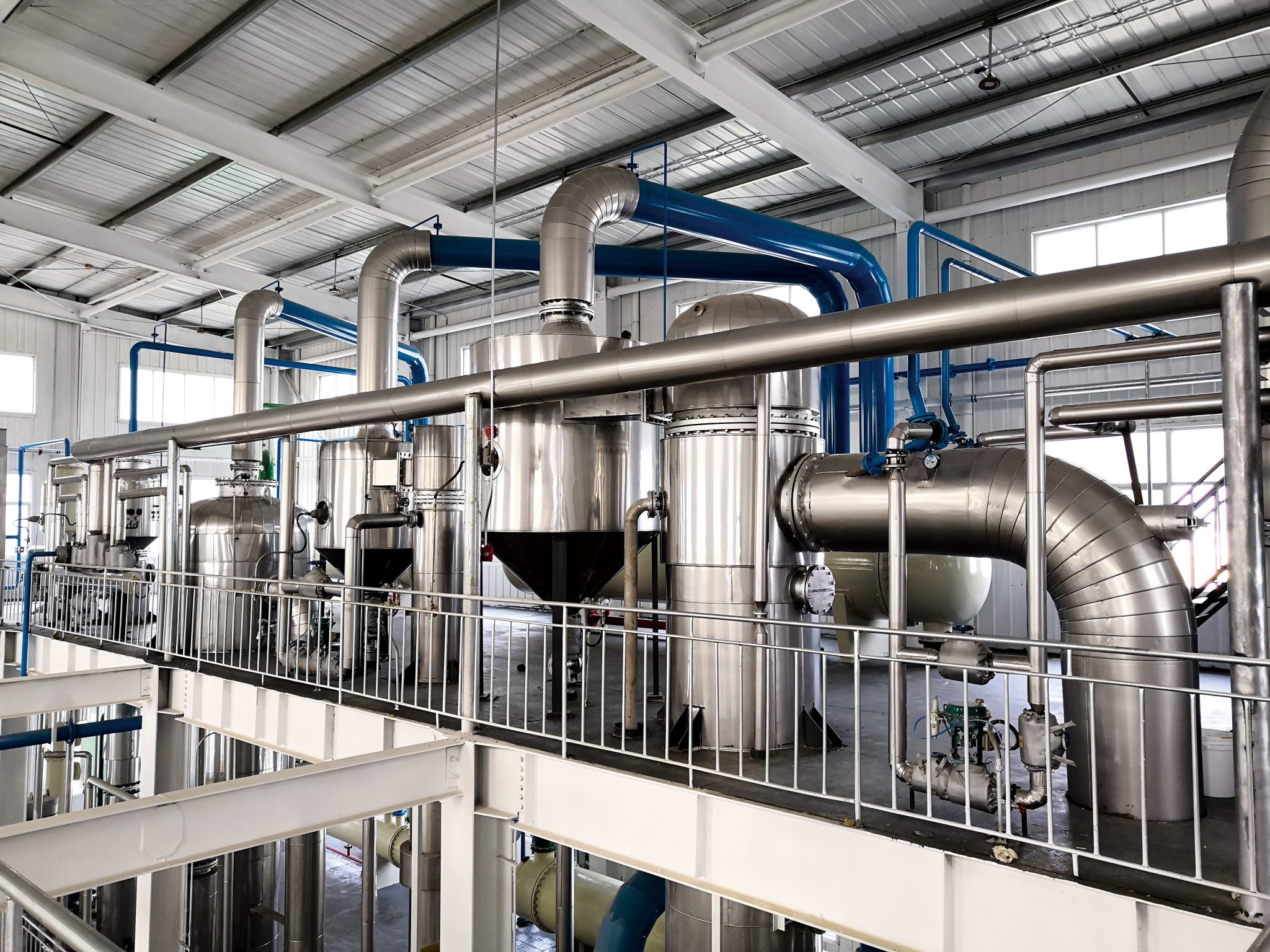
- Energy recovery systems: Heat exchangers and multi-effect evaporators recycle energy across processes.
- Sustainability focus: Waste-to-value systems recover by-products like lecithin and protein-rich feed.
- Modular layouts: Flexible extraction plant equipment can be scaled as demand grows.
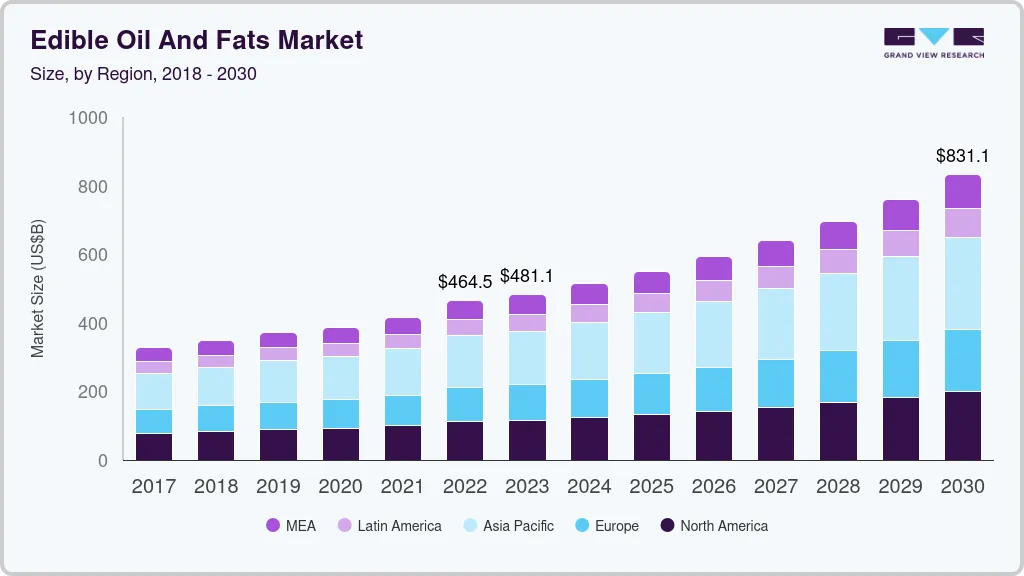
According to a report by Grand View Research, it is expected to reach $831.1 billion by 2030, with a compound annual growth rate of 7.5% from 2023 to 2030.
Conclusion
Building a high-efficiency edible oil extraction plant requires more than just installing machines; it also necessitates careful planning and precise execution. It is about aligning technology, layout, and operations with business goals such as oil yield, product quality, and sustainability. For oil processing companies, partnering with an experienced extraction plant manufacturer like CHEMSTA offers the expertise and proven track record needed to avoid costly mistakes and achieve long-term success.
Looking to build or upgrade your edible oil processing plant? Contact CHEMSTA today to explore our turnkey extraction plant solutions and see how we can help you design a facility that delivers efficiency, compliance, and profitability.
If you want to know more about the customers we have served, you can click here for details: https://chemsta.net/customer-cases/
FAQ
What is the typical capacity of an edible oil extraction plant?
Capacities range from small units of 50 tons per day to large industrial plants processing over 3,000 tons daily, depending on market demand.
How can oil processing companies improve yield?
Yield can be improved through optimized preprocessing (cleaning, dehulling, flaking), advanced screw or solvent extraction systems, and efficient refining processes.
What is the role of automation in modern oil plants?
Automation ensures consistency, reduces human error, lowers labor costs, and allows real-time monitoring of quality parameters.
How long does it take to set up a turnkey edible oil plant?
Project timelines vary by capacity and complexity but typically range from 6 to 18 months, including design, equipment manufacturing, installation, and commissioning.
Why choose CHEMSTA for turnkey solutions?
With nearly 50 years of experience and over 1,000 global references, CHEMSTA offers end-to-end expertise in plant design, equipment, and after-sales support.