How Does Solvent Extraction Work in Edible Oil Plants?

Core Summary
- What solvent extraction is and why it is used in edible oil plants
- How each stage of the solvent extraction process works
- Why solvent extraction delivers higher oil yield than pressing
- How proper system design improves safety and efficiency
Table of Contents
Introduction
Solvent extraction is the dominant technology used in modern edible oil plants to achieve high oil yield and stable large-scale production. While the concept is widely known, many investors and operators lack a clear understanding of how solvent extraction actually works inside an industrial plant.
Understanding the solvent extraction process is essential for making informed decisions about plant design, equipment selection, and long-term operational performance. This article explains how solvent extraction works in edible oil plants, from raw material preparation to solvent recovery, in a practical and engineering-focused way.
What Is Solvent Extraction in Edible Oil Processing?
Solvent extraction is a process in which oil is dissolved from oil-bearing materials using an organic solvent, most commonly hexane. After contact with the material, the solvent-oil mixture is separated, and the solvent is later recovered and reused.
This method is widely applied in soybean oil, peanut oil, sunflower oil, rapeseed oil, and corn germ oil production because it delivers higher oil recovery than mechanical pressing alone.
Visual element recommendation
Edible oil solvent extraction process flow diagram showing preparation, extraction, desolventizing, and solvent recovery.
Why Is Solvent Extraction Used Instead of Mechanical Pressing?
Mechanical pressing removes oil through physical force, but it leaves a relatively high amount of residual oil in the meal. Solvent extraction, by contrast, dissolves oil at the molecular level, achieving much lower residual oil content.
For medium and large-capacity plants, solvent extraction provides better yield consistency, lower production cost per ton, and more stable long-term operation.
How Are Oilseeds Prepared Before Solvent Extraction?
Proper preparation is critical for effective solvent extraction. Oilseeds are typically cleaned, crushed, conditioned, and flaked before entering the extractor.
These steps increase surface area, improve solvent penetration, and ensure uniform extraction. Poor preparation leads to channeling, uneven solvent contact, and reduced oil recovery.
How Does the Solvent Extraction Stage Work?
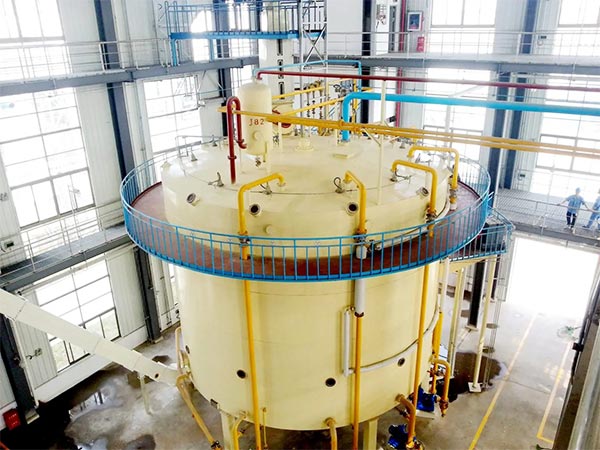
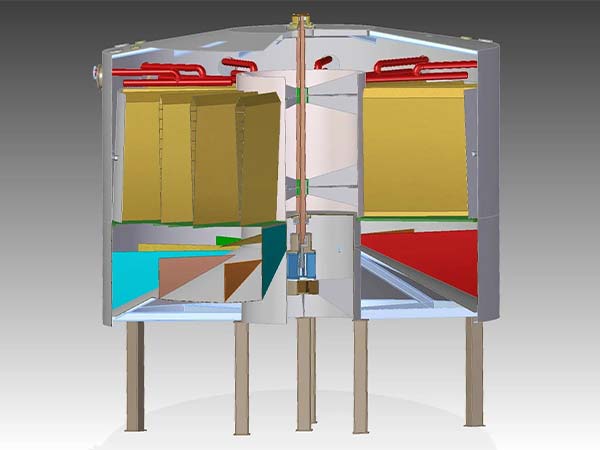
Prepared flakes enter a continuous extractor, such as a Rotocel or loop extractor. As the material moves through the extractor, solvent flows through it in a controlled counter-current manner.
Oil dissolves into the solvent, forming miscella. Proper control of temperature, solvent flow rate, and residence time ensures efficient oil removal while maintaining process safety.
Visual element recommendation
Extractor internal operation diagram showing solvent flow direction and material movement.
What Happens to the Extracted Meal After Extraction?
After extraction, the meal contains solvent that must be removed. This is done in a desolventizer-toaster-dryer-cooler system.
The process uses indirect heat and steam to evaporate solvent while preserving meal quality. Efficient desolventization is essential for safety, product quality, and solvent recovery efficiency.
How Is Oil Recovered from the Miscella?
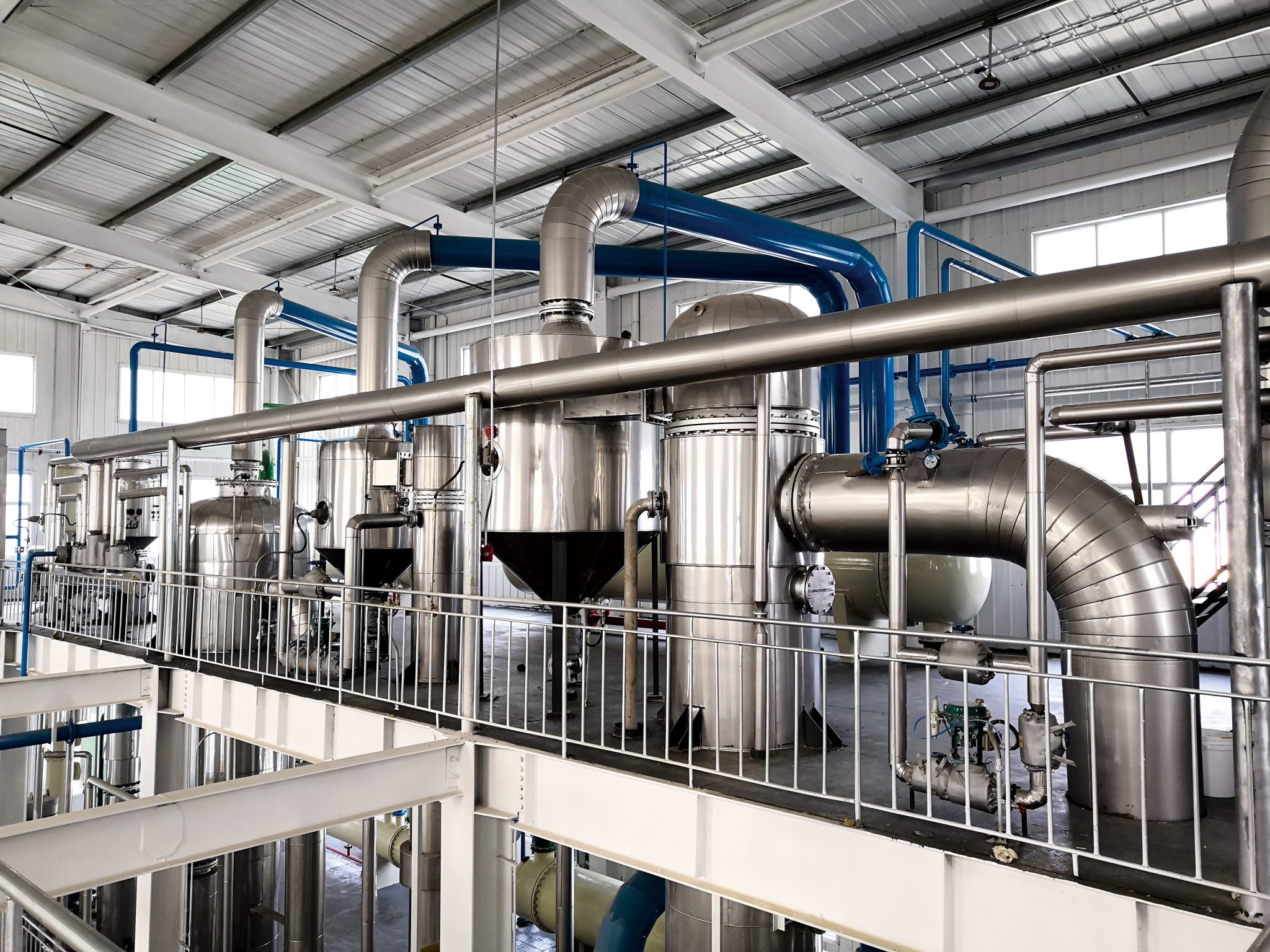
The miscella is sent to evaporation and stripping systems where solvent is separated from the oil. Multi-stage evaporators reduce energy consumption by recovering solvent at different pressure levels.
Recovered solvent is condensed and returned to the extraction system, forming a closed-loop process that minimizes solvent loss.
Visual element recommendation
Solvent recovery system diagram illustrating evaporation, condensation, and recycling.
How Does Solvent Recovery Affect Plant Safety and Cost?
Solvent recovery is one of the most critical parts of solvent extraction. Efficient recovery reduces solvent consumption, lowers fire risk, and improves environmental compliance.
Poor recovery increases operating costs and safety hazards. Modern edible oil plants therefore focus heavily on sealed systems, proper ventilation, and continuous monitoring.
What Factors Affect Extraction Efficiency?
Extraction efficiency depends on raw material quality, preparation conditions, extractor design, solvent flow control, and maintenance practices.
Plants that treat solvent extraction as a system rather than isolated equipment achieve more stable yield and lower long-term costs.
| Key Factor | Impact on Extraction |
|---|---|
| Flake thickness | Solvent penetration |
| Solvent temperature | Oil solubility |
| Residence time | Extraction completeness |
| Equipment condition | Process stability |
How Does Solvent Extraction Support Large-Scale Production?
Solvent extraction systems are designed for continuous operation, making them ideal for industrial-scale plants. Automation and centralized control allow stable performance across long production cycles.
This scalability is one of the main reasons solvent extraction remains the preferred choice for large edible oil plants worldwide.
Conclusion
Solvent extraction works by dissolving oil from prepared oilseeds using a controlled, closed-loop solvent system. When properly designed and operated, it delivers high oil yield, stable performance, and strong economic advantages for industrial edible oil plants. Understanding how solvent extraction works is the foundation for building efficient, safe, and profitable oil production facilities.
FAQ
What is solvent extraction in edible oil plants?
It is a process that uses solvent to dissolve oil from oil-bearing materials for high-yield extraction.
Why is hexane commonly used in solvent extraction?
Because it has strong oil solubility and is easy to recover.
Is solvent extraction safe for food-grade oil?
Yes, when properly designed and operated, residual solvent is fully removed.
Which oils are commonly produced using solvent extraction?
Soybean, peanut, sunflower, rapeseed, and corn germ oils.
Does solvent extraction require more investment than pressing?
Initial investment is higher, but operating cost per ton is lower at scale.
Planning an edible oil plant or upgrading your extraction system?
Our engineering team specializes in solvent extraction solutions designed for high yield, safety, and long-term reliability. Contact us today to discuss your project requirements and receive professional guidance tailored to your production goals.